



Table of contents:
- Key Summary
- What is the Purchasing Cycle?
- What is the Purchasing Documentation Cycle?
- What are the Most Important Steps in the Purchasing Cycle?
- What are the Accounts of the Purchasing Cycle?
- What are the Steps of Auditing the Purchasing Cycle?
- How to Manage Your Purchasing Lifecycle?
- How Do Accounting Software Programs Help Improve the Purchasing Cycle?
- Frequently Asked Questions
How to Activate the Optimal Role of the Purchasing Cycle in Cost Management and Profit Increase? The answer lies in the importance of the integrated steps of the purchasing cycle, which connect suppliers and effectively meet the organization's and customers' needs.
This purchasing cycle management is of significant importance, as it is an essential element for ensuring the smooth operation of business processes without interruption.
Therefore, in this article, we present a comprehensive guide to the most important steps in the purchasing cycle, the key accounts in the purchasing cycle, and how to manage your purchasing lifecycle to increase productivity and sales. All this is provided, in addition to tips on using accounting software to improve the purchasing cycle.
What is the Purchasing Cycle?
The purchasing cycle is defined as a series of multiple steps through which purchasing operations occur to obtain the necessary products, goods, and materials at the right time, with the best price and quality.
It is sometimes called the "purchasing lifecycle" or "procurement process," and it ensures following an effective approach from identifying the need for a product or service through final payment and receipt of goods or services.
The purchasing cycle is an integral part of any business, not only to obtain materials and goods directly, but it also organizes obtaining consulting and technological services, training services for human resources, and is considered a layered, periodic process that results in building long-term relationships with suppliers and rationalizing spending to achieve the best possible return on investment in purchases.
The purchasing cycle consists of a set of basic steps, which are:
- Purchase planning.
- Precise and periodic monitoring of the purchasing process.
- Preparing reports related to purchases.
What is the Purchasing Documentation Cycle?
The purchasing documentation cycle is one of the stages of the accounting cycle, which involves documenting the request for products, goods, and resources from suppliers, obtaining them, disclosing them, and then storing them in warehouses either for indirect revenue generation in manufacturing or production, or for direct use in sales.
Inventory records are also updated for these products, and several departments participate in the purchasing documentation cycle, including the department requesting the product, purchasing management, warehouse management, and, finally, the suppliers.
The objectives of the purchasing documentation cycle are to identify the departments involved in the purchasing process, collect the data and reports required by senior management and responsible authorities in order to make the right decisions that help rationalize purchasing costs and maximize profits, and to define and organize the flow of documents related to purchases between different departments.
The types of documentation cycles include: the documentation cycle for determining purchases, the documentation cycle for organizing exchanges and sales between the supplier and the purchase order issuer, and the documentation cycle for handling damaged and returned goods.
Read also: What is the Inventory Documentation Cycle
What are the Most Important Steps in the Purchasing Cycle?
The proportion of company purchases from total goods and product sales reached 70%, while the proportion of company purchases from total service sales reached 40%. This statistic was published in 2022 in a study on purchasing management and its importance and responsibility in the Arab Journal of Arab Publishing.
This percentage requires understanding the steps of the purchasing cycle and following them accurately to manage purchasing costs resulting from the sales ratio in a professional and effective manner. The main stages of the purchasing cycle are as follows:
1- Determining the Purpose of the Purchase
There are multiple reasons that drive companies to purchase goods and services from suppliers and external entities. These reasons include meeting increasing demand for products and services, providing the necessary inventory of additional goods and services, or searching for higher-quality goods, services, and materials offered by suppliers, which helps improve the company’s final products.
Sometimes companies need to collaborate with external suppliers to enter new markets, enhance brand value, and remain at the forefront. The need for purchase may also arise from reliance on multiple suppliers to ensure operational continuity and reduce the risks associated with dependence on a single source.
2- Determining the Required Materials or Services
Identifying the required materials, goods, and services is the stage that follows determining the reason or purpose of the purchase. These goods may be necessary to continue internal operational processes or external processes represented in the company’s sales to customers and consumers. In this stage of the purchasing cycle, the needs of each department and the budget must be determined.
For example, if a furniture manufacturing company is in its early stage, it will use this stage to determine the number and type of furniture manufacturing machines and equipment needed for operations and production. Whereas, if it is a larger furniture company aiming to expand, it will use this stage of the purchasing cycle to determine the most advanced equipment required to meet and keep up with customer demand for different furniture.
3- Compiling a List of Suppliers
Efforts are intensified to search for the best suppliers. In this stage of the purchasing cycle, the following elements are considered:
- Quality of goods, services, and materials offered by suppliers and their conformity with required quality standards.
- Comparison of supplier price offers and selection of prices and costs that align with the company’s budget.
- Suppliers’ commitment to delivering products on the agreed dates to avoid negative impacts on operations and customer satisfaction.
- Supplier’s good reputation in the market through reviews and recommendations from other companies, enhancing reliability and credibility.
- Additional services offered by the supplier include shipping, flexible payment plans, diverse payment options, and after-sales services.
- Terms and conditions of contracting with the supplier, including quality guarantees and return policies.
4- Completing the Purchase Order
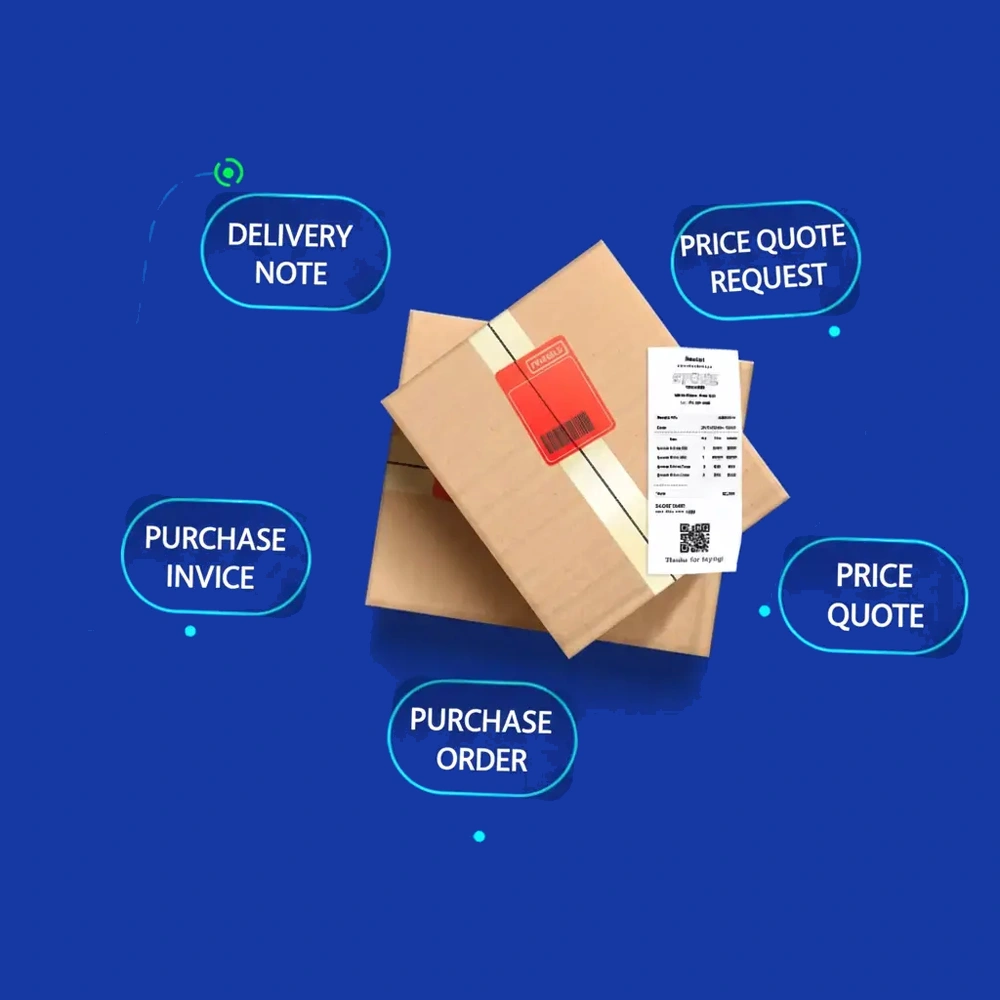
Once the contract between the parties (the supplier and the employer or purchasing officer) is finalized and an agreement is reached on the contract terms, including minor clauses, the next step is to prepare purchase orders or purchase requests, complete them, and send them. A purchase order is the document that specifies the description of goods or services, quantities, prices, total costs, and other details.
5- Receiving the Invoice and Processing Payment
Once the supplier receives the purchase order, the issuer will receive an invoice in return showing the agreed price, payment instructions, and payment terms. Currently, these details are handled easily and accurately through invoice automation, or “electronic invoicing,” in some accounting software.
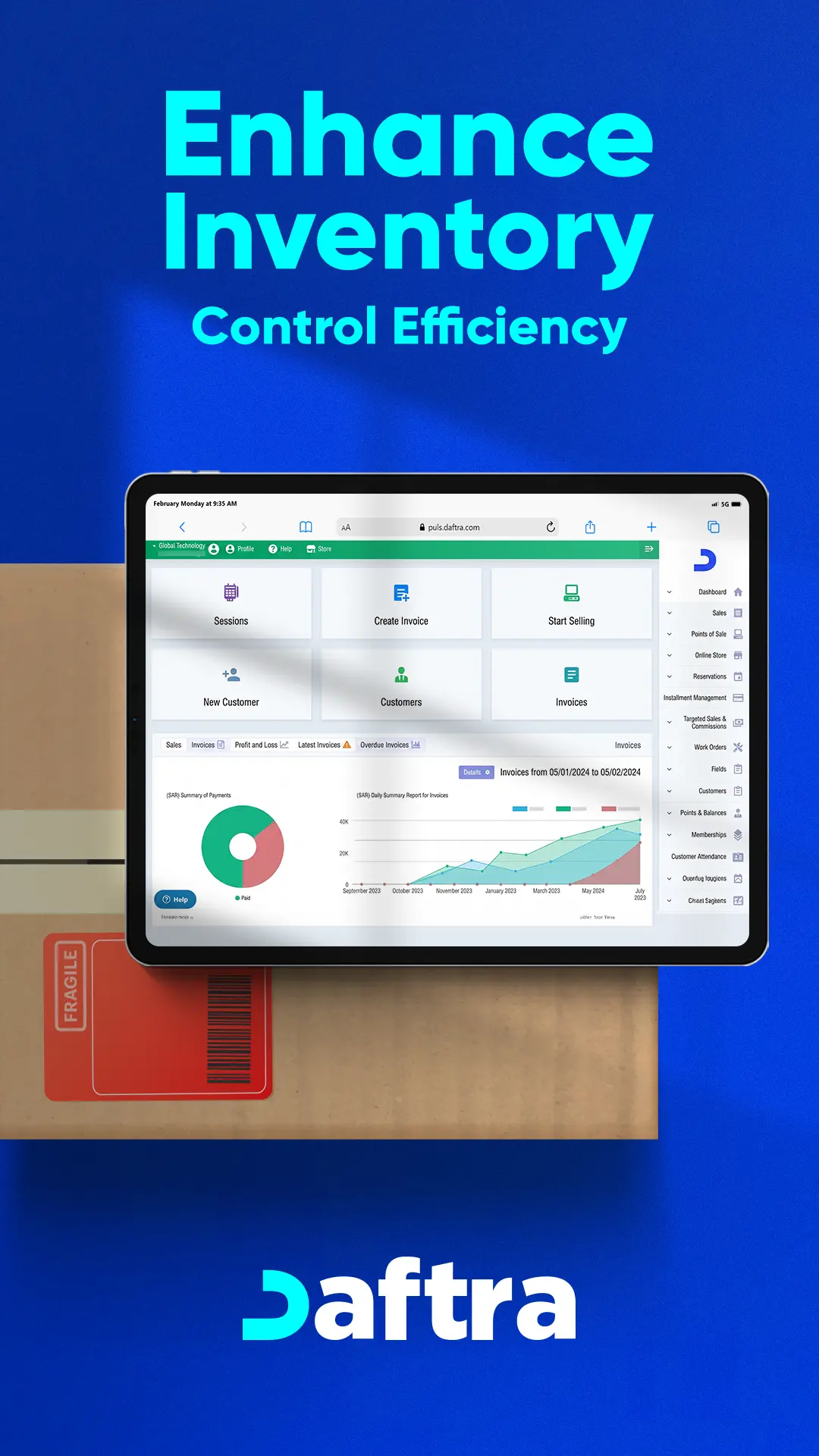
One of the best solutions is the cloud-based “Daftra” system, which provides electronic invoicing software that allows managing purchase invoices in accordance with integration mechanisms with the electronic invoice system as per local tax authority requirements.
6- Delivery and Review
The requested goods are delivered by the supplier in this stage of the purchasing cycle after an agreed period from the date the supplier received the purchase order. The company, client, or receiving entity verifies the contents of the order to identify missing, incorrect, or non-compliant items against the agreed quality standards.
If any such cases are identified, the supplier is contacted to resolve the issue as soon as possible to avoid risks or losses that could affect operations and consumer needs.
7- Retaining Invoice Records
Updated records of all invoices and payments must be maintained. This step is considered an essential part of the purchasing cycle and is used in various accounting documents, such as trial balances, financial statement reports, and the preparation of the general estimated budget. These invoices are also indispensable in external and internal audits to analyze and verify spending trends.
The purchasing cycle passes through several basic steps: determining the purpose of the purchase, identifying the required materials or services, selecting suitable suppliers, issuing the purchase order, receiving the invoice and processing payment, receiving and reviewing the goods, and maintaining accurate records of invoices and transactions.
Following these steps accurately enhances purchasing management efficiency, helps control costs, and ensures the continuity of operational processes with high quality.
It should be noted that the steps of the purchasing cycle vary depending on the nature, size, and needs of the business, as well as supplier policies. The steps explained above form the basis that clarifies the relationship between the buyer and the supplier.
What are the Accounts of the Purchasing Cycle?
The accounts of the purchasing cycle are among the most important accounts within any organization, as they enable tracking everything related to purchasing operations of materials, goods, and services. These accounts help organize financial information related to purchases, achieve effective cost control, and ensure the accuracy of financial reports. These are the accounts of the purchasing cycle:
- Purchases Account: This account records all purchases made by the company, whether raw materials or finished goods. Sometimes it includes a Purchases Cost account, or it may appear separately, showing purchase prices and costs related to purchases, such as transportation and shipping.
- Suppliers Account: Also known as (Accounts Payable), it is used to track amounts and invoices owed to suppliers. This account helps manage cash flow and settle obligations on time.
- Inventory Account: This account provides a comprehensive, up-to-date view of the value of inventory available in the organization, which is used to allocate resources and manage assets, purchase, and sales operations effectively.
- Profit and Loss from Purchases Account: Part of the final Profit and Loss account, this account shows the impact of purchases on sales profitability. Through this account, costs related to purchases can be analyzed compared to the revenues generated from them, represented in sales revenue and income.
Thus, it is clear that the accounts of the purchasing cycle are a set of accounts that work together to organize and track various aspects of the purchasing process within the organization. The Purchases Account records all purchases of materials and goods, while the Suppliers Account (Accounts Payable) tracks invoices and amounts owed to suppliers.
The Inventory Account shows the actual value of the company’s stock at any time, helping make accurate purchasing decisions. The Profit and Loss from Purchases Account highlights the direct financial impact of those purchases on the organization’s profits. The importance of these accounts lies in their role in cost control and in achieving precise financial oversight throughout the purchasing cycle.
To facilitate these accounts, the Daftra accounting software provides them automatically and easily, by accurately recording purchases and their details, tracking suppliers’ accounts and outstanding invoices, and automatically updating inventory after each purchase.
What are the Steps of Auditing the Purchasing Cycle?
Adhering to the steps of auditing the purchasing cycle helps manage it effectively, enhances work efficiency, and ensures compliance with the organization’s internal policies, regulations, and applicable local laws, ultimately contributing to improving overall organizational performance. The main steps of auditing the purchasing cycle are:
1- Audit Planning
Define clear objectives for auditing the purchasing cycle, such as monitoring compliance with policies, analyzing the efficiency and performance of the purchasing team, or reviewing costs. Determine the scope of the audit, including time periods and elements to be reviewed, and collect documents such as invoices and purchase orders.
2- Conducting the Audit
Verify the accuracy of documents related to purchases, such as purchase requests, contracts, and supplier invoices. Analyze purchasing data such as quantities, prices, and costs, identify any discrepancies or differences, and review and evaluate supplier performance in terms of quality, cost, and compliance with delivery times and agreed-upon terms.
3- Recording Results and Preparing Purchase Reports
Compare audit results with the organization’s internal standards and policies to identify deviations and gaps, and analyze their causes. Also, assess the efficiency of purchasing-related operations, including inventory counting, to determine required purchases.
Evaluate departments’ compliance with submitting requests to the purchasing department, following the steps for creating purchase requests, purchase invoices, and receiving products. Finally, prepare a comprehensive report of audit results, observations, and improvement recommendations, and submit it to senior management for discussion.
4- Follow-up on Implementation
Ensure follow-up on the implementation of recommendations, evaluate their impact on purchasing operations, and document lessons learned to ensure continuous improvement in the purchasing cycle.
The steps of auditing the purchasing cycle are an important element in improving purchasing efficiency and ensuring the organization’s compliance with internal policies and legal standards. By carefully planning the audit, documenting results, and following up on recommendations, the organization can enhance control, reduce errors, and improve purchasing performance.
How to Manage Your Purchasing Lifecycle?
Managing the purchasing lifecycle is a vital process for any organization seeking operational efficiency, cost reduction, and improved supplier relationships. The steps of managing the purchasing lifecycle are summarized as follows:
1- Asset Management
Asset management helps track inventory accurately and determine when to replace or request new equipment, goods, products, raw materials, machinery, and other items, thereby organizing the purchase of new items.
2- Conduct a Market Analysis
Carry out a comprehensive market analysis to evaluate the costs and benefits of purchasing. This step follows an internal business case study to review and discuss requests from departments to determine the materials and goods needed for purchase.
Based on this analysis, some companies may decide to replace or develop goods and services internally if the costs exceed the benefits.
3- Request Supplier Information
Invite suppliers to share information about their business, available products, and services. This information also includes suppliers’ work histories and the factors that differentiate them.
A shortlist of preferred suppliers can then be created and prioritized. Samples may be requested from suppliers to verify product and service quality, followed by requesting price quotes and carefully evaluating the received offers.
4- Draft the Contract
Consider that the contract is the foundation of the relationship between the supplier and the company. It should include timelines, terms and conditions, the obligations of both parties, delivery terms, potential disruptions and how to handle them, prices, and payment terms.
5- Start Operations
The supplier begins manufacturing, preparing, and delivering goods or services in accordance with the contract terms.
6- Maintain Continuous Supplier Relationships
Maintain strong and continuous relationships with suppliers to support collaboration, ensure quick responses, facilitate negotiations for flexible payment terms at lower prices, and reduce risks associated with relying on a single supplier. Supplier relationships can be maintained through:
- Opening constant communication channels with suppliers via email, phone calls, or direct meetings.
- Sharing information with suppliers about work changes, new requirements, and market trends, helping them better understand requirements.
- Providing regular feedback to suppliers on product and service quality, and satisfaction with service.
- Discussing any issues clearly with suppliers and finding joint solutions.
- Respecting agreements in contracts, including payment terms and prices, to enhance trust and credibility.
- Ensuring payments to suppliers are made on time to avoid disputes or financial issues.
The basic steps for managing the purchasing cycle are asset management and needs assessment, market analysis, gathering supplier information and evaluating their offers, clearly drafting contracts, executing orders, and finally maintaining continuous and effective supplier relationships. These steps ensure the purchasing process is organized efficiently, strengthen the supply chain, and support operational stability within the organization.
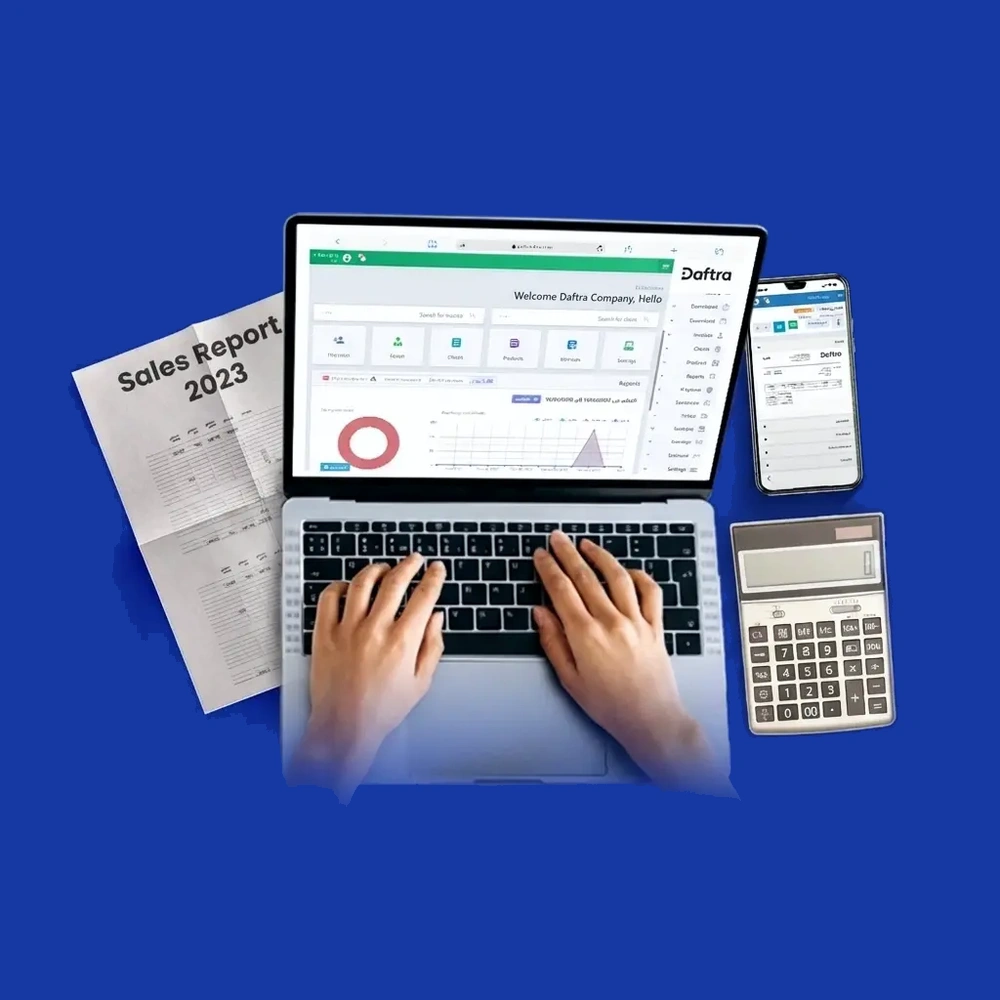
To support business success and automate and streamline the purchasing cycle, you can use the Daftra software to manage all your operations and prepare accounting reports, saving time and effort while ensuring accuracy and quality.
How Do Accounting Software Programs Help Improve the Purchasing Cycle?
Accounting software contributes to improving the efficiency of the purchasing cycle by automating purchasing-related processes to reduce time and effort, such as issuing purchase orders and invoices.
This reduces errors caused by manual data entry and human work, ensuring financial record accuracy, improving the management and analysis of purchasing data, and enabling precise tracking of all purchase transactions for easier audit purposes.
Additionally, these programs provide comprehensive reports on costs and financial performance of purchases to identify areas for improvement, understand returns, and evaluate profitability for each product or service.
Accounting software also facilitates supplier relationship management, communication, and accurate management of payments due to suppliers based on terms and deadlines.
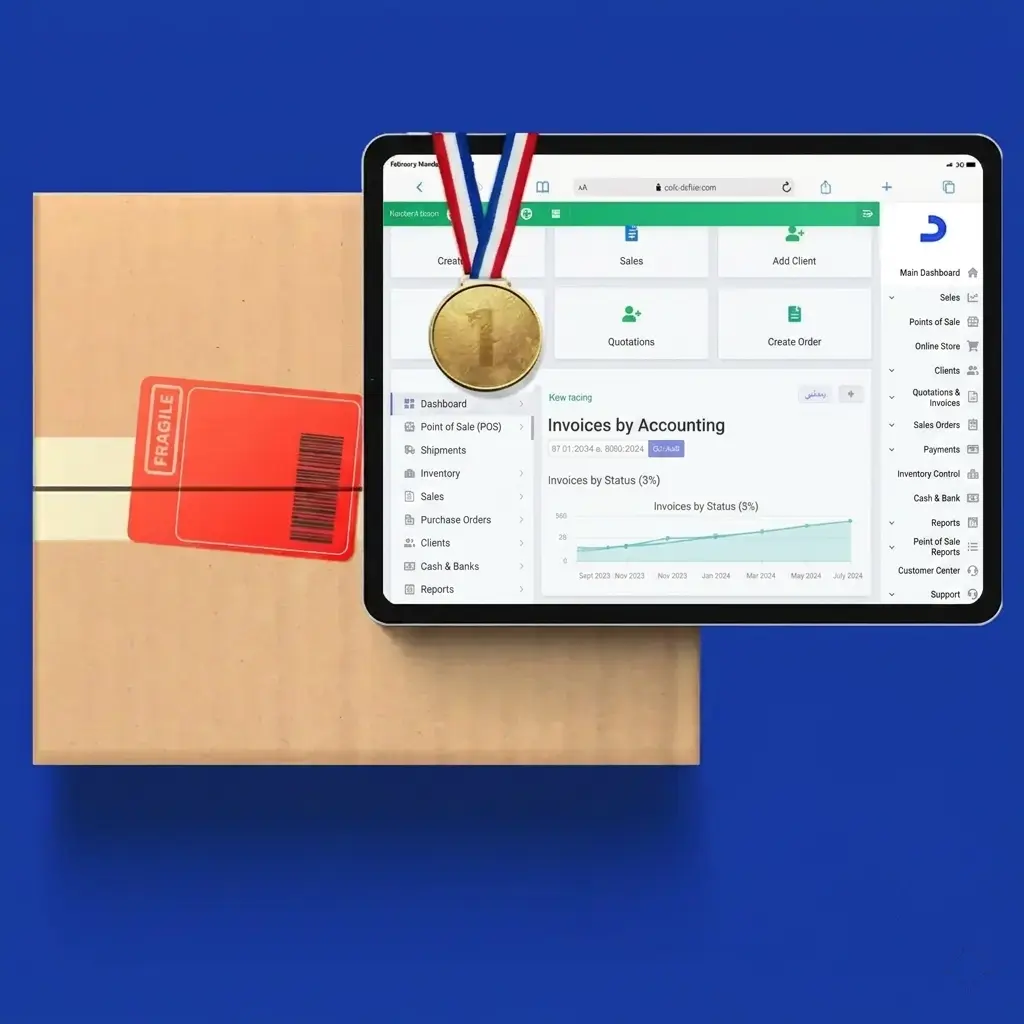
These programs allow the creation of purchase invoices in compliance with financial standards, local laws, and tax regulations. All of this and more can be done using the purchasing management software from Daftra.
In Conclusion, after providing all the details and information related to the purchasing cycle, it can be concluded that a successful purchase process involves behind-the-scenes efforts that help reduce costs, manage risks, and improve efficiency.
Therefore, it must be understood that the purchasing documentation cycle is not merely a series of routine steps but a fully integrated strategy that underpins business operations, drives competitive excellence, and achieves organizational goals in the marketplace.
Frequently Asked Questions
What documents should be relied upon in the purchasing cycle?
The essential documents to rely on in the purchasing cycle include: purchase requests, price quotes from suppliers, contracts, purchase invoices, goods receipt notes, and payment records.
How is the purchasing cycle carried out?
The purchasing cycle is carried out by following the steps of the purchasing cycle, which include:
- Determining the purpose of the purchase
- Identifying needs
- Selecting suppliers
- Completing the contract
- Sending purchase orders
- Receiving invoices and goods
- Maintaining records and follow-up
What are the five steps of the purchasing lifecycle?
The five main stages of the purchasing lifecycle are:
- Asset management and needs assessment
- Market analysis
- Gathering supplier information
- Drafting the contract
- Initiating execution and follow-up
Which stage usually starts in the purchasing cycle?
The purchasing cycle usually starts with determining the purpose of the purchase, whether to meet increasing demand, improve product quality, or reduce dependence on a single supplier.











 Invoicing
 POS
POS Offers
 Installments
 Sales Commission
 KSA E-Invoice Software
 EGY E-Invoice Software
 JO E-Invoice Software
 E-Invoice Software
 Chart of Accounts
 Asset Management
 Cost Centers
 Expenses
 Cheque Cycle
 UAE VAT-Tax
 Product Management
 Purchases
 Purchase Cycle
 Suppliers
 Requisitions
 Stocktaking
 Organizational Structure
 Personnel Management
 Attendance and Leave
 Contracts
 Payroll
 Requests
 Work Orders
 Booking Management
 Rental and Unit Management
 Time Tracking
 Work Flow
 Lease Contracts
 Manufacturing Management
  Client Follow-Up
 Loyalty Points
 Points and Credits
 Memberships
 Insurance Management
 Daftra ERP Full App
 Point of Sales App
 Point of Sales for Desktop – Support Offline Mode
 AI Expenses Scanner App
 Employee Attendance, Sign & ESS App
 E-invoice Reader App
 Inventory Stocktaking App