




Table of contents:
- Key Summary
- What is a Purchase Order?
- What is the Importance and Uses of a Purchase Order?
- What are the Types of Purchase Orders?
- What are the Contents of a Purchase Order?
- Why Do Companies Use Purchase Orders?
- How to Handle Purchase Orders?
- The Difference Between a Purchase Order and Other Similar Terms
- Purchase Order Template
- What is the Difference Between a Purchase Order and an Invoice?
- Difference Between a Purchase Order and a Purchase Request
- What is the Difference Between Purchase Orders and Sales Orders?
- What is the Difference Between a Purchase Order and a Supply Order?
- Frequently Asked Questions
Purchase management may be decentralized, with each department handling its own purchases and having someone within that department or branch to manage them and deal with suppliers. It may also be centralized, with the department responsible for purchases receiving all purchase requests to fulfill procurement needs across the entire company, which is the most common approach.
So, how is communication maintained between these departments to ensure that all desired purchases are consolidated and the best deal is obtained at the best time with the highest quality and price?
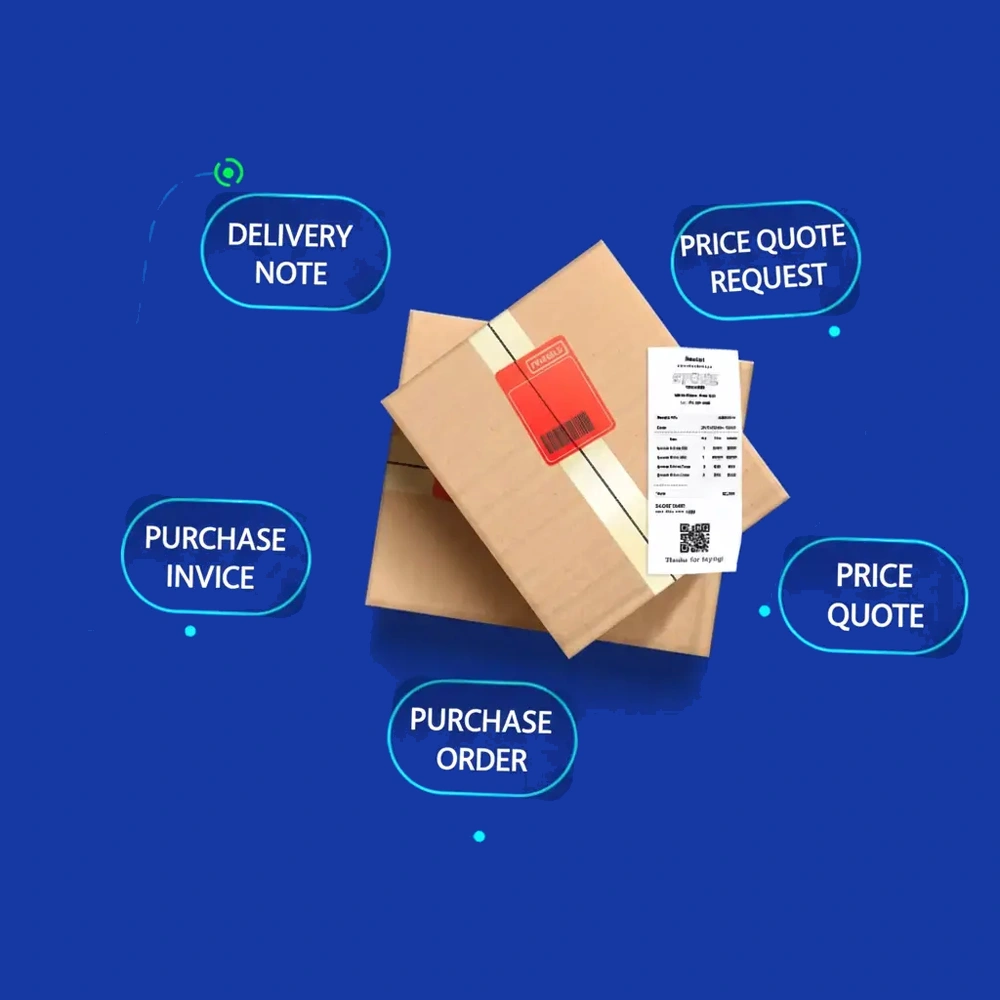
Here is the natural flow of the purchasing cycle: a purchase request is sent by the requesting department to the purchasing department. After the purchasing department approves the request, the search for a suitable supplier begins with a price inquiry. The purchase deal may be made through a tender or by direct request from a specific supplier.
Often, there is a prior stage of sending purchase requests to suppliers, then receiving prices, quantities, and delivery dates, and selecting the best option by sending a purchase order to the supplier, which, upon receipt of the products, becomes a purchase invoice confirming the completion of the deal.
This article specifically focuses on the step of sending the purchase order, that is, after choosing the supplier or the tender has been awarded.
What is a Purchase Order?
A purchase order is a document issued by the buyer to the seller as a notice of the buyer's need to purchase these products, which prompts the seller to prepare the products and send them to the buyer.
A purchase order entails completing both sales and inventory procedures. The follow-up department, the requesting department, and the accounting and finance department are all informed, meaning it is a cornerstone document for any purchase agreement.
Without a purchase order, products will not be received into inventory, the seller will not begin preparing the goods for the buyer, and the workflow will be disrupted this, of course, unless there is an alternative administrative process in place for purchasing in less complex companies.
A direct purchase order is the optimal solution in cases of monopoly or unwillingness to resort to tenders or competitive bidding.
What is the Importance and Uses of a Purchase Order?
The importance and uses of a purchase order are many. We can summarize them by saying that it makes the purchasing workflow smoother and more flexible, and that it links the different departments so they are on the same page, as purchasing does not concern only one department.
Here, the need for ERP (Enterprise Resource Planning) systems with their distinctive purchasing cycle becomes clear in organizing and facilitating the purchasing process. The main uses of a purchase order include:
- Ensuring Customer Satisfaction: The buyer is the customer who sends the purchase order, as it includes all their needs and product details, especially for a made-to-order product produced exclusively for the buyer.
- Legal Proof: A purchase order serves as an initial legal document that obligates the seller to deliver the products to the buyer on time, in the quantities, and at the prices stated in the purchase order.
- Workflow Scheduling: Through the purchase order, the requesting department is given an approximate delivery time, allowing them to organize their work plan accordingly.
- Maintaining Inventory Levels: Helps warehouse managers prepare for product receipt, follow safety and security rules to maintain product quality, and avoid errors such as stockpiling excess or stockouts during periods of demand.
- Auditing Accounts and Financial Transactions: Facilitates accounting operations by enabling the accountant to prepare for purchases that result in important accounting entries, which may need to be recorded before financial closing or included in financial statements and reports.
It is important to follow up on the purchase order and communicate with the supplier frequently, reminding them of the delivery date. The process does not end by simply sending the purchase order and waiting silently for delivery. Changes in the supplier or market may require updates to the order or follow-up to ensure the seller meets the agreed-upon date.
What are the Types of Purchase Orders?
There are four types of purchase orders that no company can do without, as follows:
1- Standard Purchase Order (PO)
A Standard PO or traditional purchase order is not required to be issued regularly by companies. It is usually issued in special situations and may be prepared only once during the company’s lifetime.
This type of purchase order requires more precise details than other orders. It is associated with complete trust in the necessity of this order, as the supplier does not expect it to be requested again. This order includes the specific terms and conditions of the request.
2- Planned Purchase Order (PPO)
This order includes the same details required by the standard order, except that it does not mention the delivery date or location. The most important information in this case is the date and timing of the purchase order.
This type of order is used for materials that the company needs at varying times. For example, printer ink is consumed continuously based on usage, making this type of purchase more recurring than a standard purchase order.
3- Blanket Purchase Order (BPO)
A blanket purchase order is similar to a planned purchase order, except the quantity is not specified. It is an agreement between the supplier and the buyer to repeatedly purchase materials or goods and receive them at fixed intervals. For example, offices that use a lot of A4 paper regularly consume it.
However, the company may not be able to specify the exact quantity needed, so it can contract with the supplier through a blanket purchase order. To avoid making supply difficult for the supplier, this type sets a maximum quantity that the buyer cannot exceed.
4- Contractual Purchase Order (CPO)
Most purchase orders are linked to a renewable contract. Its clauses outline the agreement between the supplier and buyer simply, without unnecessary complications or excessive details. Based on this order, the buyer receives a specified quantity at specified times without any obstacles.
What are the Contents of a Purchase Order?
A purchase order is a document usually consisting of a single page. It does not require special standard specifications or unusual data; it only covers the basic information and detailed product specifications.
It is customary to issue an original of the purchase order along with several copies: one for the supplier, one for the purchasing department, one for the shipping department and the requesting department, one for the accounting department, and one for the follow-up department.
Components and Data of a Purchase Order:
- Date of sending the purchase order.
- Expected date of receiving the goods.
- Name of the buyer.
- Name of the seller.
- Names of products and their detailed specifications, such as colors and sizes.
- Quantity of products.
- Product barcode and tracking method.
- Total prices as well as the price of each product.
- Company information, such as numbers and addresses, and the warehouse address designated for receiving the goods.
- Payment method and payment period.
- Purchase request number.
- Employee responsible for purchases, for follow-up in case the supplier has inquiries, along with direct contact information for this employee.
Why Do Companies Use Purchase Orders?
There are many reasons why purchase orders are considered one of the main elements in any business dealing with multiple suppliers. Here are the main reasons:
1- Saving Time
A purchase order always facilitates the process of receiving the goods the company needs, as it makes the process automatic. All the buyer needs to do is review the invoice against the purchase order that came with the request and verify that the data matches.
2- Assisting in Budgeting
Each contractual purchase order is usually predetermined, allowing you to identify and define your company’s needs once during the year or the upcoming project. This helps the company limit expenses and determine an appropriate profit margin.
3- Organizing Work for the Supplier
Purchase orders not only support the buyer but also help suppliers. It becomes easy to determine the quantity that has left the warehouses during any period and review it against the purchase orders that the supplier must comply with. This makes it easier to detect any inventory manipulation or shortage.
How to Handle Purchase Orders?
The stages of the purchase order cycle consist of a set of essential steps that ensure achieving the purpose of the purchase order accurately and smoothly. Handling purchase orders is as follows:
- The buyer issues the purchase order with a specific serial number.
- The purchase order is approved by the supplier.
- The supplier provides an invoice for the quantity to be delivered to the buyer.
- The buyer reviews the invoice to ensure it matches the purchase order in terms of price, quantity, and other data.
- The buyer approves the invoice.
Steps 3, 4, and 5 are repeated as long as the purchase order remains open, has not expired, or has not been fully covered.
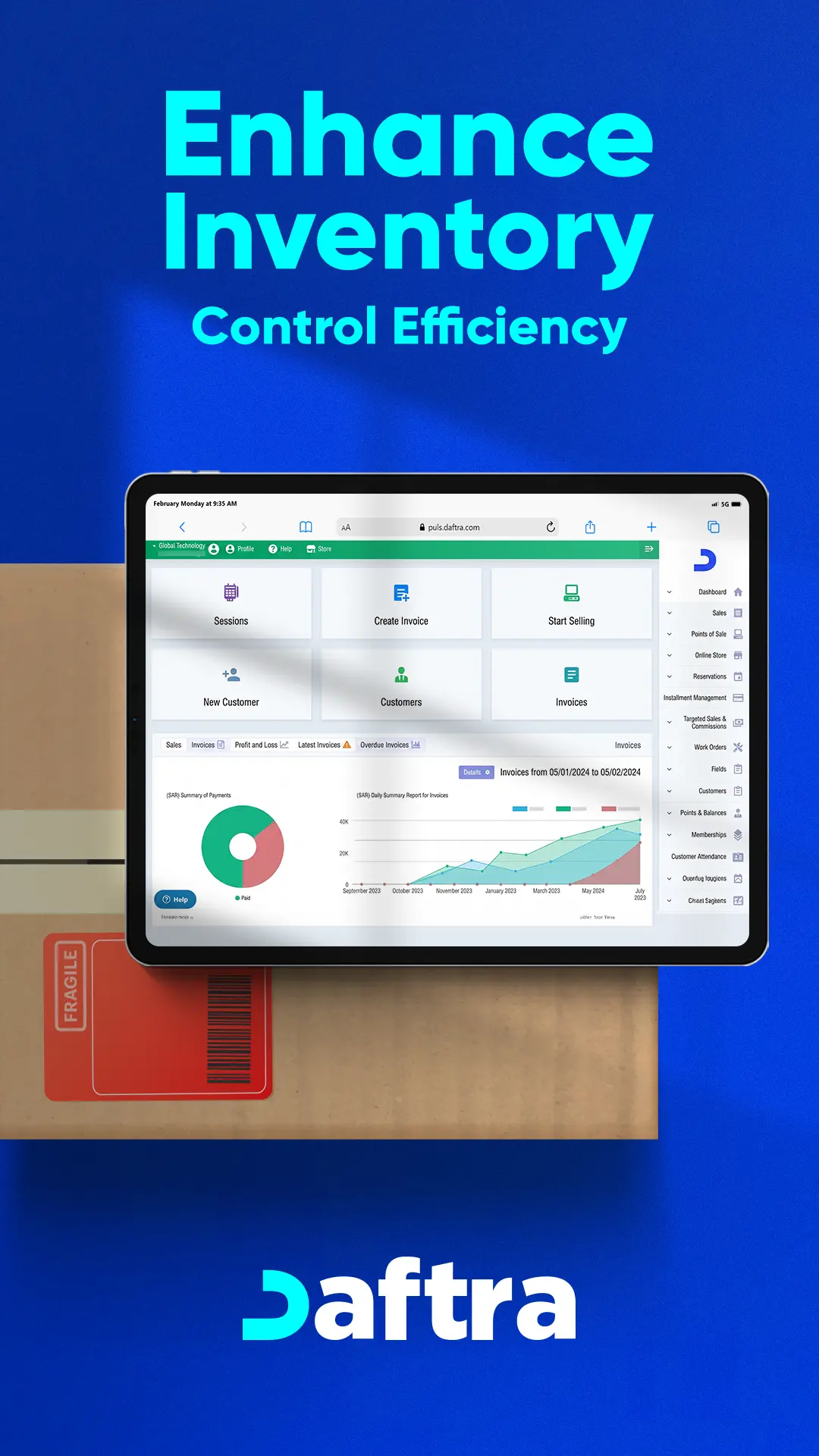
The purchasing cycle program in the Dafta system helps you complete all steps related to how a purchase order works automatically and intelligently, in the least time and effort.
The Difference Between a Purchase Order and Other Similar Terms
There are different terms for a purchase order, including a supply order, which is essentially the same as the purchase form sent by the buyer to the supplier.
A purchase order is similar to a contract in terms of legal obligation, but some companies may prefer to formalize the transaction between the supplier and buyer with a legal contract that includes standard contract terms and conditions.
After the seller delivers the goods to the buyer, a standard sales invoice is issued, and the supplier, in turn, issues a purchase invoice to confirm receipt and proper inspection of the products.
Therefore, you do not need to worry much about the differences between a purchase order, a supply order, a contract, or other terms. Just determine the purpose of the document you are issuing.
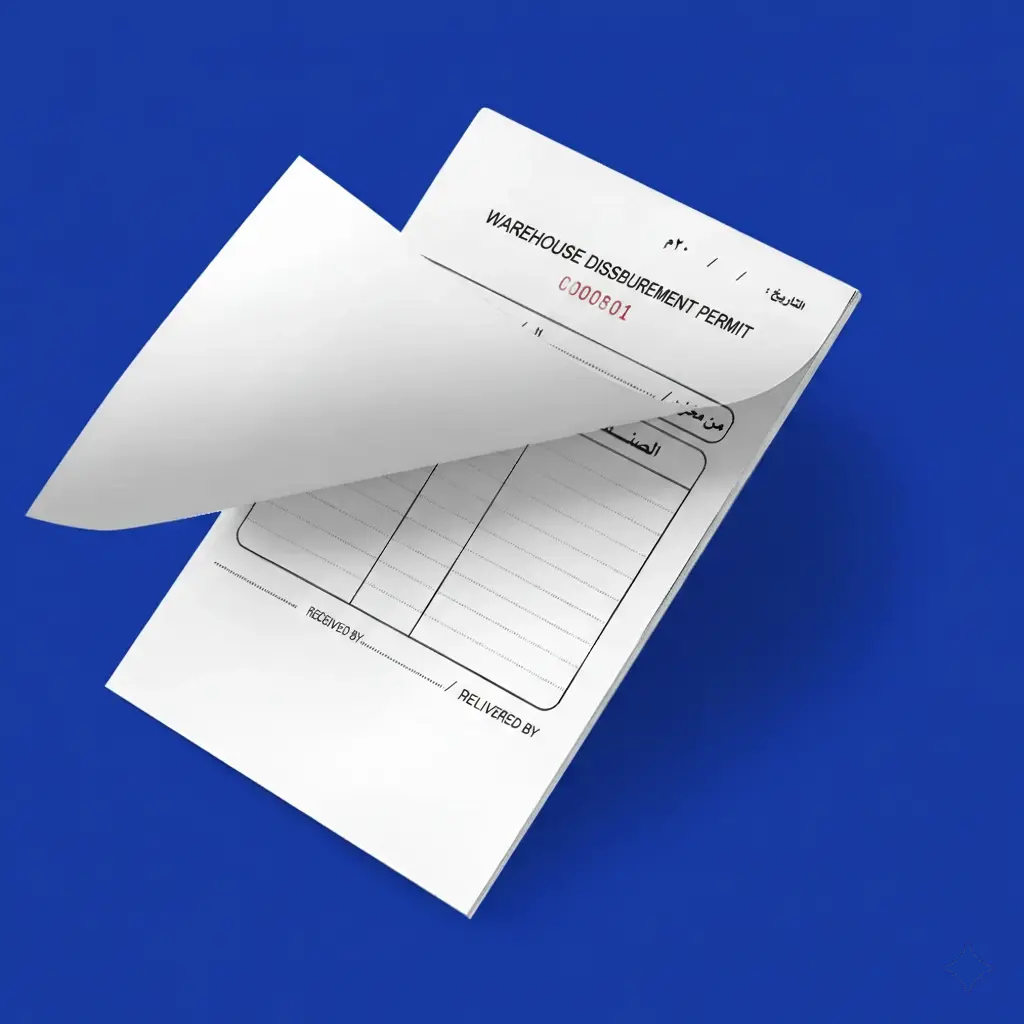
Purchase Order Template
On the day:
Date: / /
We are pleased to issue this purchase order (Purchase Order Number) from our company ____ to your esteemed company ____ to supply some products no later than ____.
Buyer Information: | Seller (Supplier) Information:
- Buyer Name: | Supplier Name:
- Buyer Address: | Supplier Address:
- Buyer Phone Number: | Supplier Phone Number:
- Purchasing Officer Name: | Sales Officer Name:
- Purchasing Officer Phone Number: | Sales Officer Phone Number:
- Address and Number of the Warehouse for Receiving the Shipment:
Product Information:
- Product Description:
- Quantity:
- Product Serial Number / Barcode:
- Price per Product:
- Total Price:
- Tax:
- Signature:
Download our free Purchase Supply Order Template now for easy use.
What is the Difference Between a Purchase Order and an Invoice?
The main difference between a purchase order and an invoice lies in the sender of the document. A purchase order is issued by the buyer and sent to the supplier, specifying the agreed quantities, prices, and delivery date.
An invoice, on the other hand, is sent by the supplier to the buyer along with the payment expected to be received, so the buyer can check for any discrepancies between it and the purchase order.
Difference Between a Purchase Order and a Purchase Request
The difference between a purchase order and a purchase request lies in how each document is circulated. A purchase order is an external document circulated between a company (the buying party) and the company supplying the products or goods (the supplying party).
A purchase request, however, is an internal document sent by the department that needs these products to the general administration or accounting department.
What is the Difference Between Purchase Orders and Sales Orders?
The difference between a purchase order and a sales order lies in their outcomes. A purchase order results in acquiring an asset, while a sales order results in selling an asset. A purchase order is issued by the buyer and sent to the supplier before the supplier begins preparing the shipment.
A sales order is sent to the buyer specifying the quantity according to the purchase order, the agreed-upon price, and the delivery date.
In general, purchase orders and sales orders are documents used to document transactions. The purchase order is kept in the buyer’s records to prove their need for specific goods and their request from the contracted supplier.
Meanwhile, the sales order documents the supplier’s interaction with the client and the preparation of the order, as agreed upon and approved in the purchase order.
What is the Difference Between a Purchase Order and a Supply Order?
The difference between a purchase order and a supply order is the element of confirmation. Supply orders are registered contracts that record what has been agreed between the supplier and the buyer.
A supply order serves as the supplier’s approval of the buyer's purchase order, constituting a contractual obligation for the supplier to provide the materials and goods needed by the buyer.
Frequently Asked Questions
Is a purchase order considered a payment?
A purchase order is a document authorizing the buyer to obtain their needs from the supplier at the agreed price and quantity. It is not considered an advance payment, as it is usually part of a prearranged agreement. The buyer then waits to receive a sales order from the supplier. Invoices are issued upon receipt of the requested shipments.
Who is responsible for a purchase order?
The buyer’s entity is responsible for issuing purchase orders, usually handled by the responsible accountant.
When is a purchase order issued?
The buyer identifies a need for a specific product for the company. Upon contacting the supplier and agreeing on the appropriate price, the buyer sends the purchase order to the supplier with all agreed-upon details.
Is a purchase order considered a contract?
Yes, a purchase order is considered a commercial contract that confirms the exchange of goods and services between the seller and buyer and protects the legal rights of all parties.
What is a pending purchase order?
A pending purchase order is a purchase order that is in progress until the price of the assets to be purchased reaches a certain price lower than its current price.
What happens after a purchase order?
After issuing the purchase order, the next step is to actually send it to the supplier so the order can be prepared.
Is a purchase order binding?
Yes, a purchase order is a legal agreement that obligates the seller and buyer to the terms stated, such as quantity, prices, and delivery time.
How do I write a purchase order?
Some basic tips to follow when writing a purchase order are:
- Include the basic details of the seller and buyer.
- Describe the products or services provided in the purchase order.
- Specify the delivery time, payment method, and shipping.
- Format the purchase order document with headings and a layout that facilitates reading.
- Review the purchase order before sending it.
How can I cancel a purchase order?
A purchase order must be canceled within the period agreed upon between the supplier and the buyer that allows for cancellation, and all terms of the purchase order must be followed. Sometimes cancellation is not possible or may require additional fees or penalties.
What is purchase order financing?
Purchase order financing refers to providing the capital needed to cover the costs of purchasing goods or services based on a purchase order from the client, who repays this financing after receiving the goods or services from the supplier.









 Invoicing
 POS
POS Offers
 Installments
 Sales Commission
 KSA E-Invoice Software
 EGY E-Invoice Software
 JO E-Invoice Software
 E-Invoice Software
 Chart of Accounts
 Asset Management
 Cost Centers
 Expenses
 Cheque Cycle
 UAE VAT-Tax
 Product Management
 Purchases
 Purchase Cycle
 Suppliers
 Requisitions
 Stocktaking
 Organizational Structure
 Personnel Management
 Attendance and Leave
 Contracts
 Payroll
 Requests
 Work Orders
 Booking Management
 Rental and Unit Management
 Time Tracking
 Work Flow
 Lease Contracts
 Manufacturing Management
  Client Follow-Up
 Loyalty Points
 Points and Credits
 Memberships
 Insurance Management
 Daftra ERP Full App
 Point of Sales App
 Point of Sales for Desktop – Support Offline Mode
 AI Expenses Scanner App
 Employee Attendance, Sign & ESS App
 E-invoice Reader App
 Inventory Stocktaking App