




Table of contents:
- Key Summary
- What is Procurement Management?
- Importance of Procurement Management
- Responsibilities of Procurement Management
- Objectives of Procurement Management
- Stages of the Purchasing Process in Procurement Management
- Problems Faced by Procurement Management
- 4 Tips for Successful Procurement Management Performance
- How Technological Solutions Can Develop Procurement Management
- How Daftra Software Helps in Procurement Management
- Frequently Asked Questions
- How can you be a successful procurement officer?
The success of organizations in achieving their objectives depends on several factors, most importantly without a doubt meeting their needs and requirements to complete the production process, ensuring these needs are met optimally in terms of quantity, quality, time, and price. To achieve this, a specialized management department must be available: Procurement Management.
In this topic, we learn more about procurement management, including its importance, responsibilities, and objectives. We also review the stages of the purchasing process, the problems of procurement management, and how to develop it. Finally, we outline the main advantages accounting software offers for procurement management.
What is Procurement Management?
It is the management responsible for the advanced planning to provide all the supplies the organization needs and supervising them to achieve the organization’s objectives and perform its functions optimally.
Based on this, it can be said that procurement management focuses on completing purchases in the required quantity, with the ideal quality, at the most suitable price, within the specified time, and from the best source of supply.
Importance of Procurement Management
Procurement management is important because it is a key element in achieving the organization’s objectives, serving as a necessary link on which other departments rely to carry out their activities and ensure the smooth operation of processes within the organization.
Procurement management also works on providing the organization’s needs at the most suitable price and from the best source of supply. In this case, the function of procurement management is largely accomplished as it should be.
Procurement management also gains importance by supporting the organization in delivering integrated goods and services by identifying the most suitable alternatives available in the market.
Purchasing costs range between 40% to 60% of sales value in most organizations and companies, which is a significant percentage that should be handled optimally. The importance of procurement management can be summarized in the following points:
- Coordination with different departments, such as sales management, production and manufacturing management, marketing management, distribution management, and others, to support the efficient completion of joint operations.
- Obtaining favorable terms: Negotiating to get the best terms for purchase and contracting.
- Selecting reliable and approved suppliers: By collecting all relevant information and data on suppliers' reputations and credibility, and purchasing costs, the organization can make the right decisions regarding the selected purchasing parties.
- Achieving a balance between supply and demand: Through accurately determining the purchasing needs of materials and products based on the actual and expected sales volume of the organization over a specific period.
- Ensuring compliance with laws: Laws that regulate procurement operations, most importantly, tax, customs, and inspection regulations from responsible authorities to ensure the quality of materials used in production and manufacturing.
- Improving the financial performance of the organization: By reducing purchasing costs and minimizing waste.
- Increasing credibility: Supporting the organization’s trust and credibility and enhancing its image in front of clients and partners. When the organization's procurement management works with reliable suppliers, it ensures product quality, which helps build a strong market reputation.
Responsibilities of Procurement Management
The responsibilities of procurement management are many and varied, reflecting the department's importance within the organization. Procurement management responsibilities include planning, conducting research, reviewing purchase requests, scheduling purchases, issuing purchase and sales orders, approving the delivery process, and disposing of excess inventory. Here are the details of these responsibilities:
1- Planning
One of the tasks of procurement management is planning and establishing a well-structured purchasing policy and developing it to suit the organization’s conditions and requirements. The outlines of this policy are usually determined based on a set of criteria, such as quantity, need, quality, price, etc.
2- Conducting Research
Since procurement management is the element that deals directly with the business market, it must be fully aware of market conditions and their fluctuations, which requires continuous research and analysis. Therefore, it is the responsibility of procurement management to collect relevant information on the organization’s material and service needs, study price trends and availability, and examine suitable alternatives.
3- Reviewing Purchase Requests
Another task of procurement management is reviewing purchase requests submitted by various departments. If there is any excess, requests are reviewed with the department to restructure them in a way that meets the department’s needs without conflicting with the organization’s plan.
4- Scheduling Purchases
Procurement management establishes a schedule for receiving purchases to meet the organization's and its various departments' needs. It also takes into account storage efficiency within the organization and the scheduling of financial payments for the supplied materials.
5- Determining Inventory Levels
Setting inventory levels is a responsibility of procurement management carried out in collaboration with the warehouse management. Inventory levels are determined between the minimum order level, the reorder point, and the maximum stock level.
6- Issuing Purchase and Supply Orders
After agreeing with the supplier on the quantity, price, and specifications for the materials, procurement management issues a purchase order to the supplier to deliver the materials to the organization’s warehouses and follows up on the delivery process.
7- Approving the Delivery Process
Procurement management works in cooperation with the legal department to ensure the validity of purchase contracts and invoices. Procurement management also approves supplied materials after inspection by specialists and verifies that they meet the required specifications.
8- Disposing of Excess Inventory
Another task of procurement management is to dispose of items that are no longer needed and that are creating a burden on the inventory.
Read also:
What is the difference between periodic and Perpetual inventory
What are inventory adjustments in accounting, and their objectives
Objectives of Procurement Management
Procurement management seeks to achieve a set of specific objectives that, in turn, meet the organization’s goals, whether profit-oriented or otherwise. These objectives are providing the organization’s needs, low cost and high quality, supporting the organization’s competitiveness, building a network of supplier relationships, and finally, coordinating with other departments:
1- Providing the Organization’s Needs
One objective of procurement management is to provide the organization with everything it needs in terms of materials and services to support its goal achievement and task completion.
2- Low Cost and High Quality
Another objective of procurement management is completing the best purchasing deal, also known as economic purchasing, by considering the triple mix of price, quality, and service.
3- Supporting the Organization’s Competitiveness
The organization’s competitiveness is supported by providing the best materials, enabling it to compete in the market and achieve a large market share.
4- Network of Supplier Relationships
Building a good network of relationships with the best suppliers in the market is important, as it benefits the organization in many aspects.
5- Coordination with Other Departments
Organized coordination among departments contributes to the efficient completion of joint operations.
6- Preparing Future Cadres
One of the often-overlooked objectives of procurement management is preparing specialized personnel within the organization who can be relied upon in the purchasing process. This is one of the most important objectives that ensures the efficient continuity of work within the organization.
Stages of the Purchasing Process in Procurement Management
The purchasing process is carried out according to a set of procedures that help organize and achieve optimal performance. Although these procedures may differ from one organization to another due to varying policies.
In the following paragraphs, you will learn about each stage in detail, starting from receiving and reviewing purchase requests, identifying the supplier, issuing the purchase order, negotiations and signing contracts, to receiving items and reviewing documents and invoices:
Receiving and Reviewing Purchase Requests
The first step in the purchasing process involves receiving purchase requests from the warehouse management or other departments. Procurement management reviews these requests to ensure the needs are met as specified in the purchase request.
Identifying the Supplier
Selecting a source of purchase requires careful research to determine the best among the available alternatives. Therefore, procurement management searches for the best suppliers and requests quotes from each to select the most suitable supplier.
Issuing the Purchase Order
After identifying the supplier, procurement management issues the purchase order document, which includes the purchase details such as the names and addresses of both the organization and the supplier, the item, quantity, specifications, delivery date and location, and shipping and payment terms.
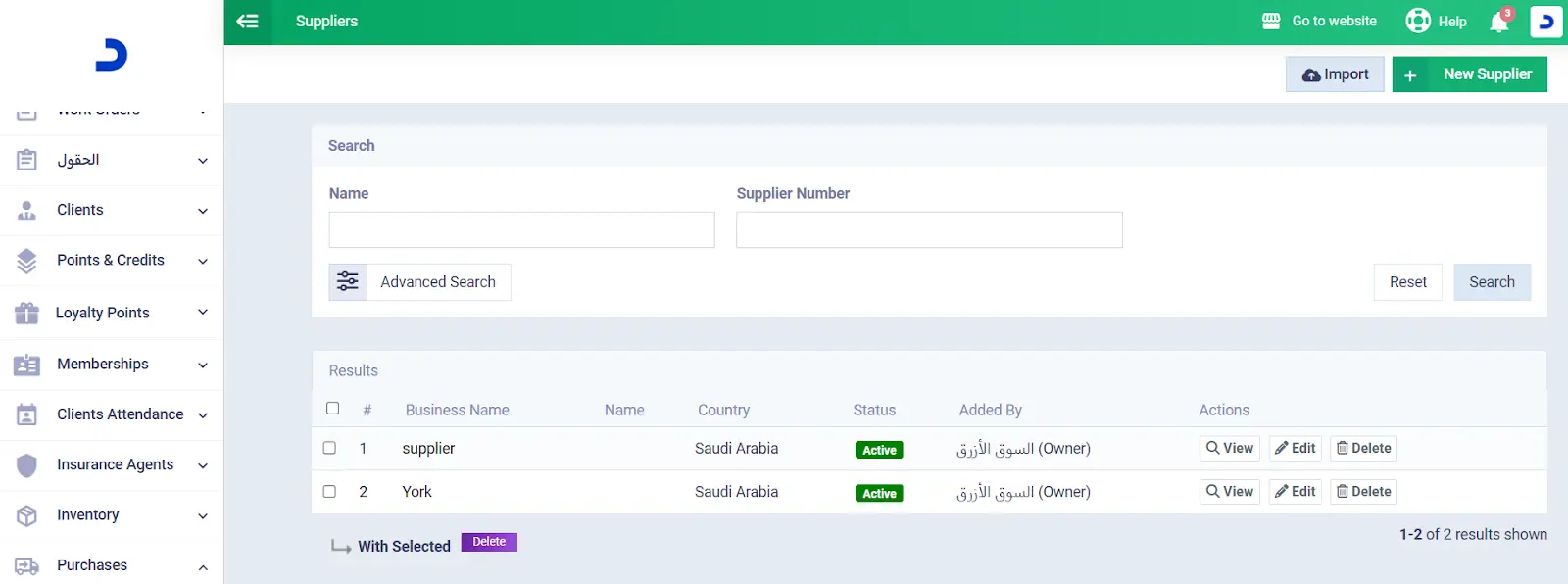
You can issue purchase orders easily and quickly in the Daftra procurement management software, which automates and optimizes all operations.
Negotiations and Signing Contracts and Necessary Documents
Negotiations are conducted with the selected suppliers regarding terms, prices, delivery times, and other important details, reaching an agreement satisfactory to all parties, followed by signing the contract between the company and the supplier.
Receiving and Inspecting Items
This process, as mentioned earlier, is carried out in cooperation between procurement management and a group of specialists from various departments to inspect the received goods and ensure their safety and conformity to the agreed specifications.
Reviewing Documents and Invoices
Procurement management ensures the accuracy of purchase documents and invoices. It is also responsible for reviewing related records, such as the supply order register, item register, supplier register, contract register, and follow-up register.
Problems Faced by Procurement Management
Like other departments, procurement management faces a set of obstacles that may negatively affect its performance and the execution of its tasks optimally.
These obstacles include increased costs, supplier scarcity, supplier unreliability, insufficient product information, budget constraints, unrealistic requirements, violations of quality standards, and challenges related to purchasing laws and regulations.
Here are more details about the problems and obstacles faced by procurement management:
Increased Costs
Cost increases due to price fluctuations and economic variables such as inflation and currency rates are among the most prominent problems facing procurement management. This increase naturally affects the allocated budget and reduces the planned profits.
Scarcity of Suppliers
The shortage of adequate suppliers is one of the major problems procurement officials may face. Limited options make the selection process difficult, leaving no luxury to choose the best.
Excess Number of Suppliers
While scarcity of suppliers is a problem, a market crowded with suppliers and varying price offers is also very challenging for procurement officials, as it becomes difficult to determine the most suitable option.
Supplier Unreliability
One problem in procurement management is suppliers violating agreed delivery times or quality specifications, which frustrates procurement officials and disrupts workflow.
Lack of Sufficient Product Information
Another problem of procurement management is the unavailability of detailed and sufficient information about required materials and items. This leads to unsuccessful purchasing, and procurement officials cannot evaluate suppliers' alternatives to choose the most suitable for the organization.
Budget Constraints for Purchases
Procurement management must adhere to the budget set by financial authorities. Sometimes this budget is insufficient, hindering procurement management and leaving it torn between achieving objectives and meeting needs within these constraints.
Unrealistic Requirements from Senior Management
Although procurement management is responsible for providing the best available alternatives in terms of quality and price, some senior management departments may impose unrealistic requirements that are difficult to meet. It is impossible to provide the best quality in the market without appropriate consideration.
Violation of Quality Standards
Procurement management faces major problems with government authorities when failing to comply with quality standards and requirements related to production and manufacturing materials. Therefore, it is necessary to ensure that suppliers comply with the required quality standards.
Challenges of Purchasing Laws and Regulations
Procurement management sometimes faces challenges in dealing with purchasing laws and their updates, which can be somewhat complex, such as customs, taxes, and environmental laws.
Read also:
What is the difference between an item card, an inventory card, and an issuance slip
What is inventory and its types, and the best methods to calculate inventory
4 Tips for Successful Procurement Management Performance
The procurement management process is one of the most important aspects in companies and commercial projects. Therefore, it must be ensured that it is successful and runs correctly.
Here are 4 tips for successful procurement management: monitoring performance, leveraging past experience, correcting deviations, and developing procurement officials' skills. Details of these tips are as follows:
1- Monitoring Performance
Developing procurement management begins with monitoring all its activities to identify strengths and weaknesses, and with measuring and analyzing results against requirements. This ultimately leads to achieving procurement management objectives.
This monitoring is carried out through a performance evaluation system that sets its criteria based on the objectives required from procurement management. It also helps compare what has been achieved with the set objectives.
Daftra procurement management software continuously monitors performance through periodic reports.
2- Benefiting from Past Experiences
Comparing current performance with past experiences is also one of the most important procedures for developing procurement management. It allows highlighting positive and negative aspects and finding solutions to recurring problems before they occur.
3- Correcting Deviations
Based on research, investigation, and comparison, deviations are identified and interpreted, and the responsible parties for each deviation are determined. Then corrective actions are taken, followed by monitoring their implementation and adjusting them if necessary.
4- Developing Procurement Officials’ Skills
Another crucial aspect in developing procurement management is enhancing the skills and capabilities of procurement officials. Procurement officials should possess a set of qualities, such as decision-making ability, negotiation skills, understanding the nature of purchased materials and items, and awareness of market conditions and fluctuations.
How Technological Solutions Can Develop Procurement Management
The use of advanced technological solutions plays a vital role in enhancing efficiency and developing the performance of procurement management. These solutions can be summarized as automating purchasing processes, building a supplier network, managing inventory, and improving procurement performance. Here are the technological solutions in more detail:
Automating Purchasing Processes
Procurement software provides a variety of solutions to fully automate the purchasing system and related processes, including identifying purchase requests and orders, obtaining approvals, tracking deliveries with suppliers, and automatically settling invoices.
This improves the efficiency and accuracy of all these transactions and reduces financial and accounting errors in purchasing operations compared to manual work, which consumes more time and effort.
Building a Supplier Network
Digital procurement management programs offer extensive databases where all supplier information can be recorded and classified, with the option to update their data. This facilitates the selection of suppliers, the digital management of contracts and related documents, and their flexible, anytime updates, ultimately enabling smooth, effective communication with suppliers.
Inventory Management
Through procurement management software, inventory can be tracked and managed using system data, such as quantity, type, and expiration date. This information is regularly updated digitally to reflect stock withdrawals or additions, providing procurement officials with a comprehensive view of available and damaged inventory. This helps better determine orders and needs, reduces costs, and supports financial performance.
Improving Procurement Performance
Technological solutions for procurement management enable the digital issuance of financial reports, which help analyze procurement performance, evaluate risk and cost management, and inform process improvements and the development of procurement strategy.
Daftra software is considered one of the best options for applying technology to your procurement management, providing effective tools for integrated, modern management.
How Daftra Software Helps in Procurement Management
Accounting software provides more efficient solutions for executing all procurement management operations, from tracking inventory and preparing supplier lists to receiving price offers, evaluating alternatives, issuing purchase orders, and generating purchase invoices. All of this is done automatically, giving procurement officials an accurate, easy experience when completing purchasing operations.
This experience becomes easier and more efficient if the system is cloud-based, like Daftra’s procurement management software, which provides all the previous features along with cloud system benefits, such as access to information from anywhere at any time, avoiding maintenance issues, enjoying regular updates, and the ability to customize the program to suit your business activities.
Read also:
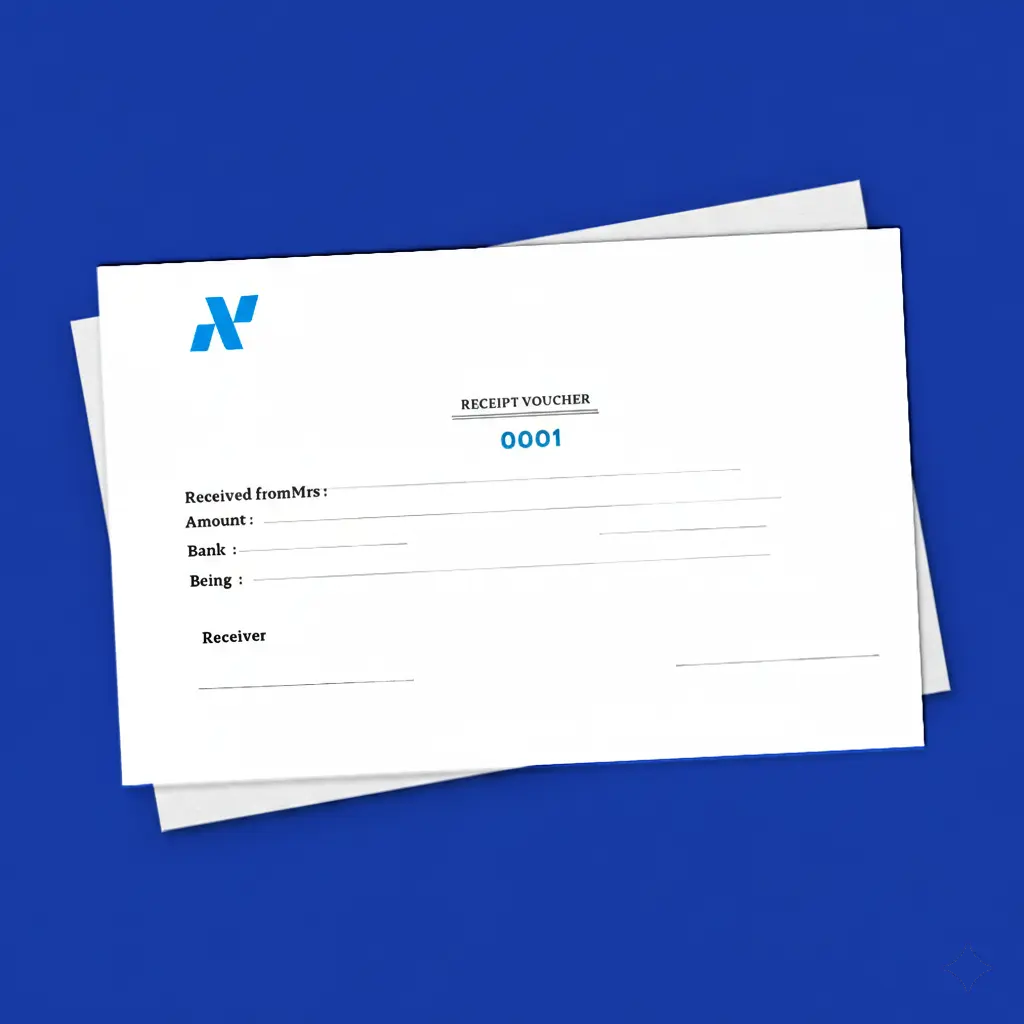
What is a receipt voucher, its contents, and how to create it with a free downloadable template
Frequently Asked Questions
What are the common problems in procurement management?
- Problems in requests that occur due to errors in ordering products.
- Problems with the suppliers that the company deals with.
- The organization is disorganized.
- Lack of supplier diversity.
- Purchases are of poor quality.
- Lack of availability of essential information and data.
How can you be a successful procurement officer?
- To be aware of all aspects of the purchasing process.
- Knowing how to build successful relationships with suppliers.
- Possessing negotiation skills.
- The ability to analyze and make decisions.
- Continuously developing skills.
- Being flexible.
What are the steps to develop procurement management?
- Analyzing the current situation.
- Setting the goal that the company or project wants to achieve through developing procurement management.
- Developing new strategies for best practices and improving supplier relationships.
- Using technology such as procurement management software, such as Daftra.
- Continuous follow-up.
- Improvement and strengthening of weaknesses.
What are the types of purchasing in procurement management?
- Direct purchasing: purchasing materials that directly enter the manufacturing process.
- Indirect purchasing: purchasing goods and products that participate in the operational processes of manufacturing the product.
- Strategic purchasing: purchasing carried out to strengthen relationships with suppliers.
What is the salary of a procurement manager in Saudi Arabia?
The salary of a procurement manager ranges from 10,000 Saudi riyals to 20,000 and can be higher than that depending on years of experience, the size of the organization or company, skills, and finally the city you will work in, as each place and city has different figures.
What are procurement management policies?
Procurement management policies are some of the elements that help in implementing purchasing operations in the organization, which are:
- Achieving efficiency.
- Ensuring quality.
- Compliance with laws and regulations.
- Building strong relationships with suppliers.
What is the relationship between procurement management and financial management?
Procurement management works to make purchases more balanced, including reducing financial costs as a result of making correct purchasing decisions and avoiding many errors. Financial management helps execute purchasing operations and provide the budget the company needs. This means that procurement management and financial management complement each other to achieve the organization’s objectives.
What is the internal organization of procurement management?
The internal organization of procurement management is the distribution of tasks and responsibilities, organizing internal units and departments, and allocating resources in a way that supports procurement management and its proper implementation.
What are the most important stages of organizing procurement management for a commercial project?
- Determining the needs and the goal that the project aims to reach.
- Searching for suitable suppliers with competence and quality.
- Issuing purchase orders.
- Receiving goods, reviewing them, and inspecting them carefully to ensure their quality.
- Storing procurement records.
- Follow-up and improvement.
In conclusion, procurement management is one of the most important departments, playing a decisive role in the success of commercial enterprises. Its role is not limited to providing materials and services, as some may think, but rather to achieve financial performance efficiency and achieve the desired goals and profits that enhance leadership and competitiveness in the business market.
We should not overlook the importance of investing in technological solutions for procurement management by choosing appropriate procurement management software that provides multiple digital features that help reduce accounting errors, save costs, and enhance transparency and communication with stakeholders, whether suppliers, officials, or partners, which contributes to achieving organizational goals more effectively.











 Invoicing
 POS
POS Offers
 Installments
 Sales Commission
 KSA E-Invoice Software
 EGY E-Invoice Software
 JO E-Invoice Software
 E-Invoice Software
 Chart of Accounts
 Asset Management
 Cost Centers
 Expenses
 Cheque Cycle
 UAE VAT-Tax
 Product Management
 Purchases
 Purchase Cycle
 Suppliers
 Requisitions
 Stocktaking
 Organizational Structure
 Personnel Management
 Attendance and Leave
 Contracts
 Payroll
 Requests
 Work Orders
 Booking Management
 Rental and Unit Management
 Time Tracking
 Work Flow
 Lease Contracts
 Manufacturing Management
  Client Follow-Up
 Loyalty Points
 Points and Credits
 Memberships
 Insurance Management
 Daftra ERP Full App
 Point of Sales App
 Point of Sales for Desktop – Support Offline Mode
 AI Expenses Scanner App
 Employee Attendance, Sign & ESS App
 E-invoice Reader App
 Inventory Stocktaking App