





Table of contents:
- Key Summary
- What Is Sales Management?
- Importance of Sales Management in Businesses
- What Are the Main Responsibilities of Sales Management?
- What Are the Objectives of Sales Management?
- What Are the Main Functions of Sales Management?
- How Can a Sales Team Help a Business Grow?
- Key Performance Indicators for Successful Sales Management
- What Are the Steps to Effective Sales Management?
- How to Evaluate Sales Management Performance
- Benefits of Using a Customer Relationship Management (CRM) System for Sales Management
- Sales Management with Daftra
- Frequently Asked Questions (FAQs)
Producing high-quality products is not enough to achieve strong profits. Businesses also need a clear, effective sales strategy to reach more customers, expand their market presence, and increase revenue. This is where sales management plays a vital role, helping businesses turn their products and services into sustainable sales growth.
What Is Sales Management?
Sales management is the process of developing, planning, and overseeing a company’s sales activities to ensure the effective sale of its products and services. It involves recruiting and training a dedicated sales team responsible for every stage of the sales process, from pre-sales and sales activities to after-sales services, with the aim of maximizing the company’s profitability.
Importance of Sales Management in Businesses
Sales management is one of the most important functions in any organization, as it plays a significant role in increasing company profits. Its importance lies in achieving business objectives, monitoring sales representatives, improving planning, strengthening customer relationships, optimizing distribution, helping senior management maximize profits, and driving product or service development.
Here is a closer look at the key benefits of sales management:
1. Achieving Business Objectives
Its role is to implement the plans and strategies established by management to improve customer satisfaction, expand market reach, and ultimately increase profits.
2. Monitoring Sales Representatives
The sales team consists of employees, each responsible for a different set of tasks. Sales management oversees the team, coordinates their work, and organizes sales activities.
3. Improving Sales Planning
One of the key benefits of sales management is its role in setting sales objectives and strategies and allocating an appropriate budget in line with senior management’s vision.
4. Building Strong Customer Relationships
Sales team members aim to build strong customer relationships to drive sales growth and increase profits.
5. Improving Distribution
The sales team aims to identify the main issues hindering distribution and find effective solutions to address them.
6. Supporting Senior Management
One of the key roles of sales management is to provide senior management with reports comparing planned targets with actual results. These reports help senior management make critical decisions, such as whether to expand or discontinue business operations.
7. Maximizing Profits
The sales team continuously looks for different ways to increase the company’s sales and profits.
8. Improving Products and Services
By maintaining regular communication with customers, the sales team can identify product or service shortcomings, understand customer needs and preferences, and communicate this feedback to management. This helps the company improve its offerings, increase sales, and generate higher profits.
What Are the Main Responsibilities of Sales Management?
The sales team plays a central role in business operations and has a direct impact on a company's ability to achieve its targets. Its responsibilities include meeting sales objectives, assessing whether targets are achievable, developing sales plans, researching customers, promoting products and services, and maintaining customer loyalty.
The main responsibilities of sales management include the following:
- Achieving sales targets: Working toward the company's sales and distribution objectives to increase sales volume and profitability.
- Evaluating the feasibility of sales targets: Assessing whether the targets set by senior management are realistic, measurable, and achievable given the available resources and market conditions.
- Developing sales plans: Creating effective sales strategies and action plans that help the business achieve its sales objectives.
- Understanding customers: Identifying target customer segments, understanding their needs, and finding effective ways to attract potential customers.
- Promoting products and services: Recommending suitable approaches to promote products and strengthen brand awareness, attract new customers, and increase sales.
- Maintaining customer loyalty: Providing effective after-sales service, following up with customers, and building lasting relationships that encourage repeat business and long-term customer retention.
To simplify daily sales tracking and keep records up to date, businesses can use Daftra's free, ready-to-use Daily Sales Template.
What Are the Objectives of Sales Management?
Sales teams play a major role in helping businesses grow, remain competitive, and achieve sustainable success. The main objectives of sales management include increasing sales volume, retaining existing customers, acquiring new customers, strengthening market positioning, and developing future sales plans.
Let's explore each objective in more detail.

1. Increasing Sales Volume
One of the primary objectives of any company’s sales team is to maximize sales of its products and services, helping the business achieve the profit margins targeted by senior management.
The strategies used to increase sales depend on the company's current market performance. If sales are strong, introducing new products or expanding the product range may help attract additional customers. If sales are below expectations, the business may need to review its sales strategy and provide further training to improve the team's performance.
Sales team training involves developing employees’ skills in understanding the sales process and market dynamics, identifying potential customers, persuading them to purchase the company’s products or services, and more.
2. Retaining Existing Customers
Customer retention is a key long-term objective of sales management. Businesses aim to maintain customer relationships by providing high-quality products, delivering consistent service, and running targeted marketing campaigns that encourage repeat purchases.
After-sales service also plays an important role in customer satisfaction. It shows customers that the company values their opinions and preferences, allowing it to improve its products based on their feedback.
3. Acquiring New Customers
Existing customers are important, but businesses cannot rely on them alone to sustain growth. Sales management must identify effective ways to reach new audiences, attract potential customers, and convert sales opportunities into actual purchases.
Sales representatives should be trained to identify qualified prospects, explain how products or services address customer needs, and build trust throughout the sales process. Special offers, personalized follow-ups, and effective after-sales support can also help turn new customers into loyal ones.
4. Strengthening Market Position
Every company aims to establish a strong position in its market and industry, helping it achieve both short-term and long-term objectives by building brand recognition and staying top of mind with consumers.
Achieving this requires considerable effort across the organization, particularly from the sales team. This includes offering high-quality products that stand out in the market and providing professional customer service.
5. Developing Future Sales Plans
A company should not be content with its current sales performance and profits; it should always look for ways to achieve more. This is where the sales team comes in, developing future plans to increase profitability and monitoring their implementation to ensure the company achieves its desired goals.
Businesses can use a ready-made Sales Plan Template to organize their sales objectives and plan future activities more efficiently.
What Are the Main Functions of Sales Management?
Sales management performs several functions that help businesses achieve their sales and profitability objectives. These functions include defining the overall sales strategy, establishing sales policies, preparing sales budgets, forecasting sales, analyzing performance, contributing to business decisions, conducting market research, managing brand perception, and strengthening relationships with distributors.
The following sections explain each function in detail.
1. Defining the Overall Sales Strategy
Sales management establishes the overall sales objectives and determines how responsibilities should be distributed across the sales team. It also develops long-term sales plans in coordination with other department managers.
These plans help guide decisions about which products to offer, how to price and market them, how to distribute them, and which sales policies should govern the process.
2. Establishing Sales Policies
Sales management develops the policies and guidelines that govern sales activities. These may cover product promotion, packaging procedures, pricing strategies, special offers, trade discounts, and other practices that help ensure consistency across the sales process.
3. Preparing the Sales Budget
Sales management sets the projected sales budget and looks for ways to minimize costs to achieve the highest possible profit margin for the company.
4. Sales Forecasting
The sales team forecasts sales volume for a particular product and estimates its maximum potential demand. These forecasts help the company determine production levels and avoid significant shortages or excess inventory.
5. Analyzing Sales Performance
Sales management analyzes sales data to identify strengths, weaknesses, and opportunities for improvement. This includes evaluating which products generate the most revenue, identifying underperforming products, tracking sales trends, and assessing customer satisfaction.
The sales team also prepares reports for senior management, providing the information needed to evaluate results and make decisions based on actual performance data rather than assumptions.
6. Contributing to Business Decisions
The sales team contributes to senior-level decision-making on product specifications, marketing strategies, distribution policies, product pricing, and other key business matters.
7. Conducting Market Research
The sales team conducts comprehensive market research to understand customers’ tastes, interests, preferences, and economic and social circumstances. These insights help the company set appropriate product prices and tailor product features to customer preferences and market trends.
8. Managing Brand Perception
The sales team works to strengthen the company’s image and the reputation of its products to maximize profits and maintain a stable market position.
9. Strengthening Relationships with Distributors
One of the key functions of sales management is to build a broad network of relationships with local and international distributors and retailers. It also monitors market changes and takes appropriate action to maintain strong relationships with distributors.
Related article: What Are the Most Effective Sales Promotion Methods and Techniques?
How Can a Sales Team Help a Business Grow?
A sales team plays a key role in business growth. Its responsibilities include converting prospects into customers, building lasting relationships, and increasing revenue. However, sales is not just about closing deals. It also involves understanding customer needs, recommending suitable solutions, and sharing customer feedback with other departments.
A sales team can support business growth in several important ways:
A sales team can therefore be a major driver of business growth, not only by closing more deals but also by understanding customers, improving the buying experience, and using data and feedback to refine sales strategies.
Key Performance Indicators for Successful Sales Management
Sales performance indicators help sales managers evaluate team performance, track progress toward targets, and identify areas for improvement. Choosing the right metrics requires more than focusing on a single number. Businesses should monitor a combination of indicators that reflect sales activities, outcomes, and the efficiency of the sales process.
Key sales performance indicators include:
- Deals Closed: Measures the number of sales opportunities converted into completed deals. This metric helps managers assess team performance and estimate how many opportunities are needed to achieve sales targets.
- Conversion Rate: Measures the percentage of qualified leads who become paying customers. It helps businesses evaluate the effectiveness of their sales and marketing efforts.
- Sales Cycle Length: Measures the average time required to close a deal. Tracking this metric helps managers identify delays and obstacles that may slow down sales.
- Sales Target Attainment: Measures how closely sales representatives meet their assigned targets. It helps managers evaluate individual performance and adjust sales approaches when necessary.
- Sales Productivity Metrics: Measure how effectively the sales team uses its time and resources, including time spent selling and following up with prospects.
- Sales Forecast Accuracy: Measures how closely actual sales match forecasted results. It helps management improve financial planning and allocate resources more effectively.
- Renewal and Churn Rates: Help businesses evaluate their ability to retain customers and maintain recurring revenue, particularly in subscription-based business models.
What Are the Steps to Effective Sales Management?
The sales department is one of the most important functions in any company and plays a major role in its success. To achieve its objectives effectively, sales management must carry out several key activities, including the following:
- Setting Sales Targets: Establish realistic sales forecasts and define clear, measurable targets that align with the company's objectives.
- Managing the Sales Team Effectively: Monitor team performance and track results, including new customer acquisition, completed deals, and revenue generation.
- Reviewing and Updating Sales Targets: Reassess targets periodically based on actual results, business growth, and changing market conditions. Identify opportunities to increase sales and strengthen the company's market position.
- Strengthening Relationships with Distributors and Customers: Build and maintain strong relationships with distribution partners and customers to encourage loyalty, improve collaboration, and support long-term growth.
How to Evaluate Sales Management Performance
Businesses use several performance metrics to evaluate sales management, measure team effectiveness, and identify strengths and weaknesses. These metrics may include total revenue, average revenue by product or service, market share, revenue from existing and new customers, deal closure rates, customer recommendations, and sales expenses.
The following metrics can help businesses evaluate sales management performance in greater detail.
1. Total Company Revenue
The company’s total revenue and profits over a specific period are important indicators of the sales team’s performance and efficiency, showing how effectively it has achieved senior management’s objectives.
2. Average Revenue by Product or Service
Analyzing revenue and profitability by product or service helps businesses identify their strongest performers and determine which offerings deserve greater attention.
Management can use these insights to prioritize successful products, investigate underperforming ones, and apply effective sales strategies across other products and services.
3. Measuring Market Position
One of the key ways to evaluate sales management performance is to assess the company’s market position and its share of total sales. These indicators help measure the sales team’s success. However, markets are highly dynamic, and competitors’ market shares change over time, so these fluctuations should be taken into account during the evaluation.
4. Comparing Revenue from Existing and New Customers
It is important to compare sales generated from existing customers with those generated from newly acquired customers.
The sales team has multiple responsibilities, and this comparison helps assess its performance in both customer retention and acquisition. If sales to existing customers are higher, it may indicate that the team is more effective at retaining current customers.
If sales to new customers are higher, it may demonstrate the team’s ability to attract new customers and convince them of the value of the company’s products.
5. Deal Closure Rate
It is important to measure the percentage of deals closed against the total number of deals the sales team has worked on. This metric helps assess the team’s ability to negotiate successfully and convert opportunities into sales.
6. Customer Advocacy and Recommendations
The sales team also measures customers’ willingness to recommend the company’s products to others. This indicates product quality and customer satisfaction. It is usually assessed through direct communication with customers to gather their feedback and opinions.
7. Sales Expenses
Sales management compares the costs of acquiring new customers and retaining existing ones with the profits generated. Sales costs should be managed carefully to maximize profitability and ensure that expenses do not significantly reduce the company’s profits.
Use Daftra's Sales Commission Calculator to calculate sales commission amounts and rates automatically for free.
Benefits of Using a Customer Relationship Management (CRM) System for Sales Management
A Customer Relationship Management (CRM) system is software that helps businesses manage customer relationships, organize customer information, and track interactions and purchasing behavior. Sales teams can use this information to personalize their approach, improve follow-ups, and identify opportunities to increase sales.
One of the main benefits of a CRM system is that it gives sales representatives access to relevant customer information, helping them recommend products and services that better match customer preferences and needs.
CRM systems also support customer retention and acquisition. By understanding customer interactions and purchasing patterns, sales teams can identify opportunities for targeted offers, follow up on potential deals, and maintain relationships with existing customers.
In conclusion, we’ve explored sales management in detail, including its impact on company profits and how it can be continuously improved. If you have any questions about the role of sales teams in companies and organizations, feel free to share them in the comments.
Sales Management with Daftra
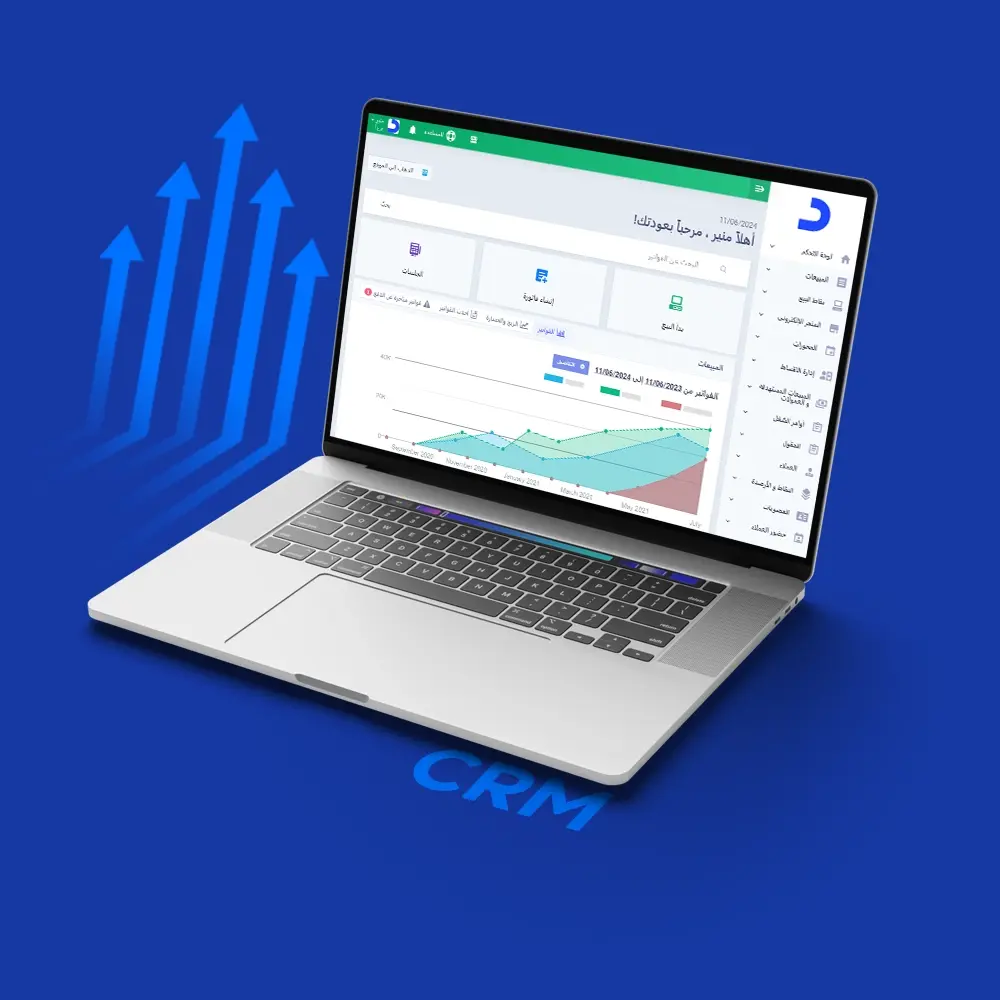
Daftra Sales Management Software helps businesses manage sales transactions and organize related processes, from creating invoices and quotations to handling point-of-sale (POS) transactions, discounts, and installments. It also supports sales team performance tracking, commission management, and sales analysis through detailed reports.
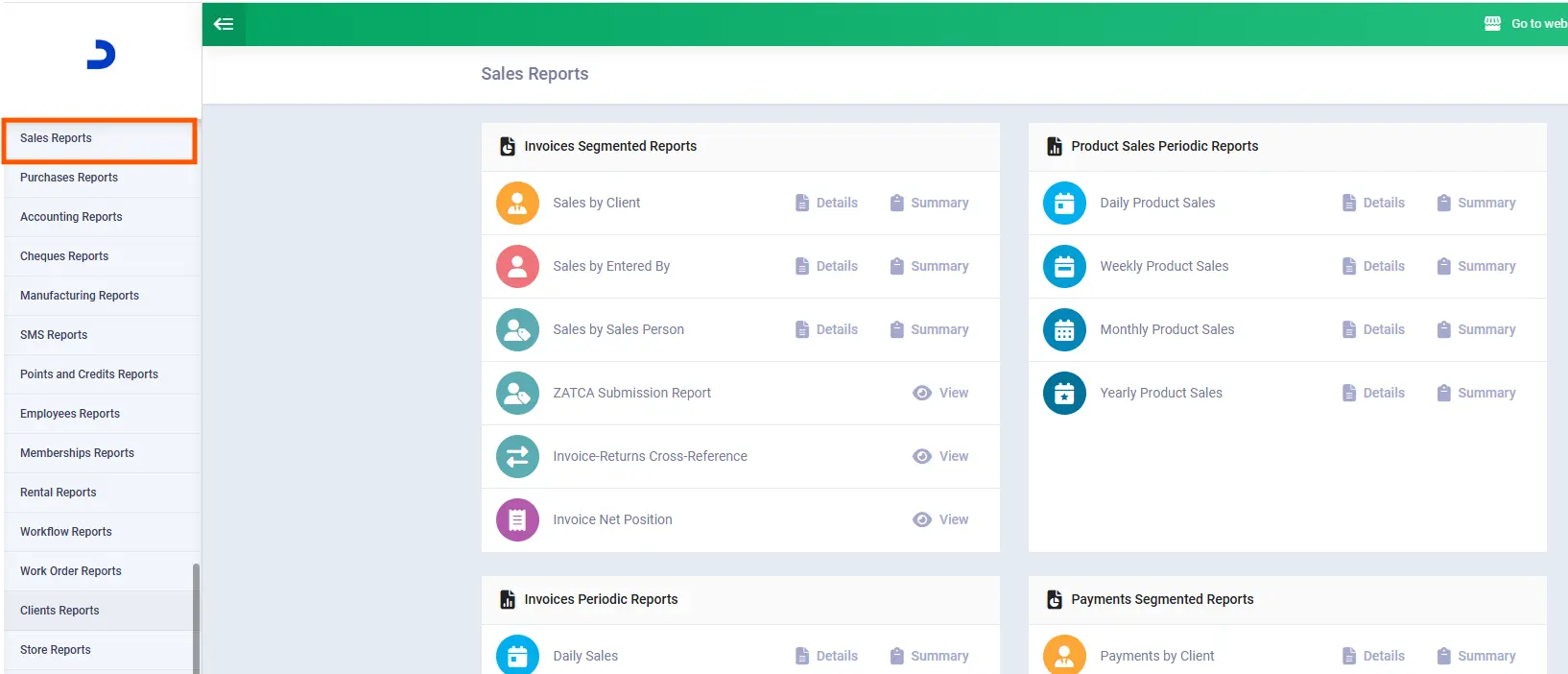
With Daftra's sales management system, you can:
- Create Invoices and Quotations: Issue electronic invoices and quotations, apply taxes and discounts, add shipping charges, and convert approved quotations into invoices.
- Manage Point-of-Sale (POS) Transactions: Process sales online or offline, use barcode scanning or a device camera, and manage employees' sales sessions.
- Apply Pricing Strategies and Discounts: Create customizable price lists and apply different discount types and seasonal offers to products.
- Manage Installments and Payments: Split invoice amounts into installments, track payment status and outstanding balances, and send customers reminders before payment due dates.
- Track Sales and Commissions: Set sales targets for employees based on sales value or product quantities, and calculate commissions according to sales periods and invoice payment status.
- Analyze Sales Performance: Generate reports on invoices, payments, product sales, and profit and loss, with filters for products, categories, sales representatives, customers, and time periods.
Daftra provides tools that help businesses organize sales operations, monitor team performance, manage payments and offers, and analyze results to support informed business decisions.
Frequently Asked Questions (FAQs)
What Is the Difference Between Marketing Management and Sales Management?
Marketing management focuses on attracting potential customers, building brand awareness, and promoting products and services through different channels. Sales management focuses on converting prospects into customers, negotiating deals, setting sales targets, and monitoring the sales team's performance.
What Is the Difference Between Sales and Sales Management?
Sales refers to the activities involved in selling products or services to customers. Sales management involves planning and overseeing these activities, setting sales targets, monitoring results, and guiding the sales team to achieve business objectives.
Is Being a Sales Manager Difficult?
Sales management can be challenging because it involves several responsibilities. However, developing strong leadership, communication, analytical, and problem-solving skills can make the role more manageable.
What Is Sales Management and Sales Promotion?
Sales management involves planning, organizing, and overseeing sales activities to achieve business targets. Sales promotion refers to short-term incentives and promotional activities designed to encourage purchases and increase demand for products or services.
What Are the Responsibilities of Sales Management?
The main responsibilities of sales management include:
- Developing sales plans and strategies.
- Monitoring sales performance and results.
- Setting clear, measurable sales targets.
- Guiding, supporting, and evaluating the sales team.
What Is Sales Team Management?
Sales team management involves guiding sales representatives, coordinating their activities, monitoring performance, and helping them develop the skills needed to achieve specific sales targets.
What Is the Difference Between a Sales Representative and a Marketing Representative?
A marketing representative focuses on generating interest in products or services and building brand awareness. A sales representative focuses on understanding customer needs, converting prospects into buyers, and closing deals.
Do Small Businesses Need Sales Management Software?
Yes. Sales management software helps small businesses organize customer information and sales transactions, save time, and track sales performance more accurately. It also supports better decision-making through clear sales data, improves customer service, and helps businesses prepare for future growth and expansion.
What Are the Most Important Sales Skills?
Key sales skills include effective communication, active listening, product knowledge, empathy, negotiation, and closing deals. These skills help sales representatives understand customer needs, build trust, address objections, and present products or services clearly and persuasively.











 Invoicing
 POS
 Offers
 Installments
 Sales Commission
 KSA E-Invoice Software
 EGY E-Invoice Software
 JO E-Invoice Software
 E-Invoice Software
 Chart of Accounts
 Asset Management
 Cost Centers
 Expenses
 Cheque Cycle
 UAE VAT-Tax
 Product Management
 Purchases
 Purchase Cycle
 Suppliers
 Requisitions
 Stocktaking
 Organizational Structure
 Personnel Management
 Attendance and Leave
 Contracts
 Payroll
 Requests
 Work Orders
 Booking Management
 Rental and Unit Management
 Time Tracking
 Work Flow
 Lease Contracts
 Manufacturing Management
 Client Follow-Up
 Loyalty Points
 Points and Credits
 Memberships
 Insurance Management
 Daftra ERP Full App
 Point of Sales App
 Point of Sales for Desktop – Support Offline Mode
 AI Expenses Scanner App
 Employee Attendance, Sign & ESS App
 E-invoice Reader App
 Inventory Stocktaking App