



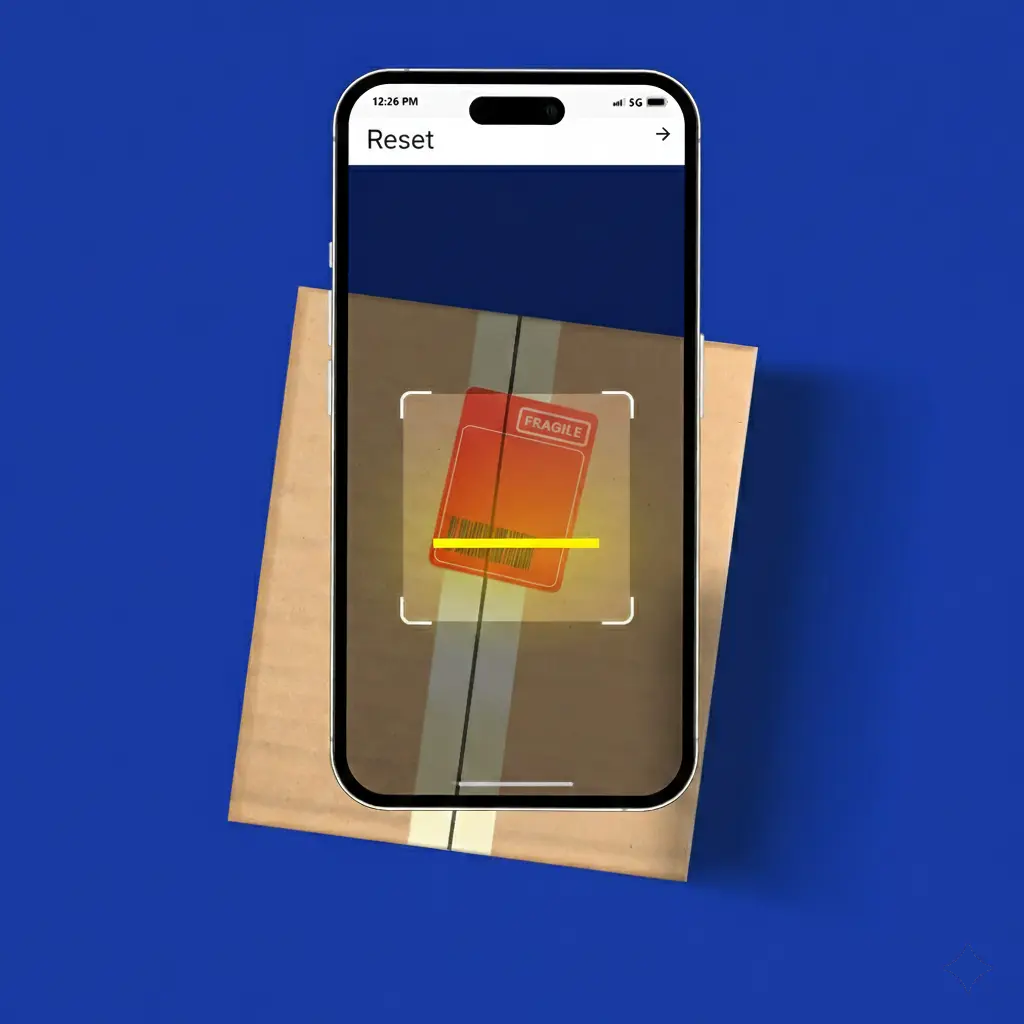
Item codes in the Egyptian e-invoicing system are required to issue electronic invoices. One of the advantages of these codes for taxpayers is that they are considered the best way to distinguish a specific product and, therefore, track it, which governs the movement of goods and facilitates logistics operations. The code also represents the identity of each product, as it clarifies data such as:
- The brand to which the product belongs.
- Its weight or size, and description.
- Country of origin and country of sale.
- Product classification according to global classifications, as each sector has specific codes, which we will learn more about in the following lines.
One advantage for the state is that these codes facilitate analyzing the market situation, identifying available products and their quantities, and determining the leaders in each sector. This supports the production of important economic statistics and helps the state make more accurate decisions.
It should be noted that the Egyptian Tax Authority has established a specific coding system that must be followed, distinct from the internal coding used for each commercial activity. Follow this article to learn about the Authority-approved coding system.
What is the coding method approved by the Tax Authority?
There is no single mandatory method; rather, there are two methods, each with its own facilities and advantages. You can choose what suits your company’s business model.
This does not mean that you have to abandon your internal coding system; instead, you can issue the electronic invoice including both codes, provided that you clearly distinguish the approved code that must be sent to the Authority from the other code.
First Coding Method: Global GS1 Codes
GS1 codes are used in more than 116 countries worldwide, where millions of companies agree on a single code that identifies products. The GS1 code consists of 13 digits and starts with 622. There is no method that companies are required to follow to create this code and then use it; rather, the GS1 organization itself assumes this responsibility, and you can purchase the codes from GS1.
What is the GS1 GTIN Code?
The GTIN code is a unique identifier for the product that GS1 issues to you. You can start using it immediately once the fees are paid and it is received. No other entity can purchase your code again, as it is exclusive to the product for which it was purchased.
The GS1 code is divided into five levels, each called a GTIN, and each represents a different quantity unit of the product:
- GTIN 1
A single box containing a number of the product’s smaller units.
- GTIN 2
A group of small boxes inside a carton.
- GTIN 3
A carton of the product.
- GTIN 4
A large container containing 12 cartons of the product.
- GTIN 5
The code of the smallest unit of the item, i.e., the final product.
After extracting your GS1 codes, all you need to do is register them on the Tax Authority’s website, without the need to wait for approval. The GS1 code belongs to the company that owns the product and is not repeated, which distinguishes it from other products.
Second Coding Method: Local EGS Codes
Local codes consist of several parts that require effort to create. The business owner is responsible for creating the product codes. This process is performed once per product, and the same code is reused whenever an electronic invoice or any transaction related to that product is created.
The code formulation process is repeated when a new product is introduced. The Tax Authority takes 15 days to approve the codes and facilitate their use.
The parts of the EGS code are:
EG segment + your company’s tax registration number + the internal product code (SKU) + the global GPC code specific to your product.
The local EGS code must be linked to the global GPC code in order to grant the codes the reliability of unified global codes. This code consists of 8 digits and starts with the number 1000. It belongs to the EGS company and is available for free.
Objectives of the Coding System Approved by the Tax Authority:
- Revitalizing trade, as you will not be able to conduct business in its traditional or digital form unless you have a coding system that distinguishes each product and facilitates buying, selling, importing, and exporting.
- One of the important objectives of coding is to unify conflicting codes for the same product. For example, it was previously possible for a supplier and a seller to have two different coding systems, with each assigning a different code to the same product.
This has been eliminated with electronic invoicing, as both parties now use the same code in accordance with the coding standards approved by the Egyptian Tax Authority.
- Facilitating the addition of new products and coding them clearly, in accordance with established standards.
What is a GPC Code?
The GPC code is a global code managed by GS1 that serves as a general identifier for each product, without revealing your country or brand.
For example, you will find a single code related to dairy products and another code related to hairdressing services. The GPC code streamlines trade processes, both local and international.
The term GPC stands for Global Product Classification, and the GPC code follows several classifications that we will explain.
The GPC coding system is divided into 4 levels:
There is a hierarchical classification scheme for products under the GPC code system. It starts from the most general level and becomes more specific at each stage. Below is the fixed sequence on which the coding is based:
- Segment – such as Household Appliances, code: 72000000
- Family – such as Major Household Appliances, code: 72010000
- Class – such as Cooling and Freezing Appliances, code: 72010200
- Brick – such as Refrigerator, code: 10003694
How do you obtain GPC codes for your products?
There are two ways to obtain GPC codes:
- Using the GPC Browser.
- Requesting GPC codes from GS1, which is a completely free service. You enter your details and the codes you are looking for, and they send them to you.
Using the GPC Browser
By visiting the GPC page on the GS1 organization’s website here:
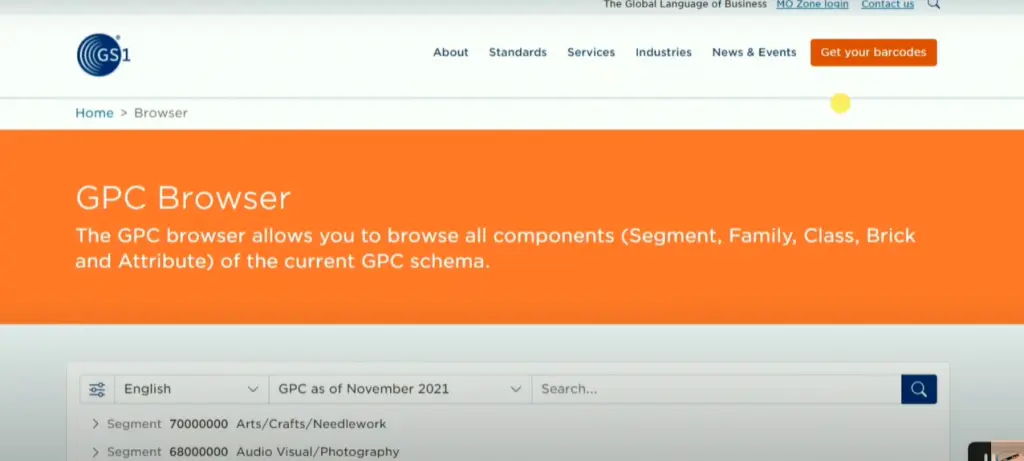
If you want to download the file containing the codes, you can download it in the form of an Excel file as follows:
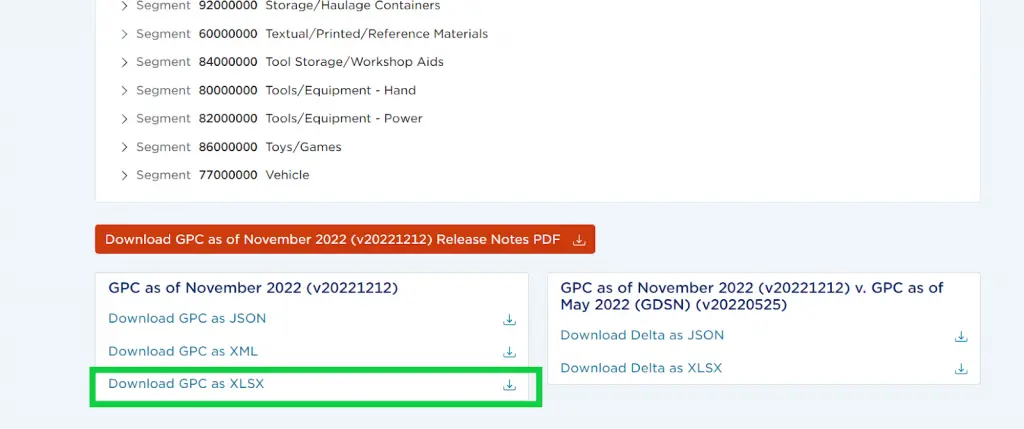
If you want to download the file containing the codes, you can download it in the form of an Excel file as follows:
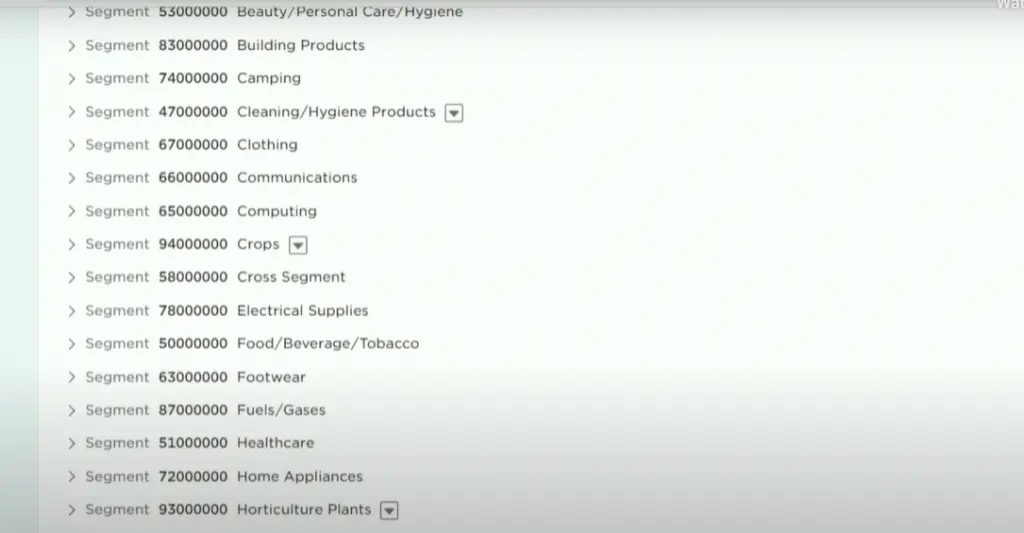
Or, on their website, enter the name of the product you are looking for a GPC code for in the search box. You can also click on the segment you are searching for, then choose the category your product belongs to until you reach the product itself. Several codes will appear, from which smaller codes branch out.
The code you are looking for is the smallest unit, such as “Refrigerator” in the previous example. This code relates to a single product unit and is called the brick code, and it starts with the number 1000.
Requesting GPC Codes from GS1
If you are unable to identify the GPC codes for your product, you can contact GS1 via email at:
What are the steps followed on the Tax Authority’s website to submit product codes?
1- Prepare all your products and their codes in an organized Excel file.
2- Log in to your account on the Egyptian Tax Authority website, click on Codes, and choose between “Bulk Code Registration” to upload the Excel file containing the codes all at once, or “Register Code Usage” to upload the code individually and separately.
3- If you choose bulk code registration, you will be able to upload an Excel file containing a maximum of 1,000 codes.
You then wait for the Authority’s approval, which will be in one of three statuses:
- Approved
- Pending
- Rejected
4- If you choose Register Code Usage for individual code registration, a window will appear where you select the applied coding system (EGS or GS1) and enter the code.
Note that the product code is registered only once. After it is approved, you can reuse it without waiting for approval again.











 Invoicing
 POS
POS Offers
 Installments
 Sales Commission
 KSA E-Invoice Software
 EGY E-Invoice Software
 JO E-Invoice Software
 E-Invoice Software
 Chart of Accounts
 Asset Management
 Cost Centers
 Expenses
 Cheque Cycle
 UAE VAT-Tax
 Product Management
 Purchases
 Purchase Cycle
 Suppliers
 Requisitions
 Stocktaking
 Organizational Structure
 Personnel Management
 Attendance and Leave
 Contracts
 Payroll
 Requests
 Work Orders
 Booking Management
 Rental and Unit Management
 Time Tracking
 Work Flow
 Lease Contracts
 Manufacturing Management
  Client Follow-Up
 Loyalty Points
 Points and Credits
 Memberships
 Insurance Management
 Daftra ERP Full App
 Point of Sales App
 Point of Sales for Desktop – Support Offline Mode
 AI Expenses Scanner App
 Employee Attendance, Sign & ESS App
 E-invoice Reader App
 Inventory Stocktaking App