


What Is an Item Card, and What Is the Difference Between an Item Card and an Inventory Card?

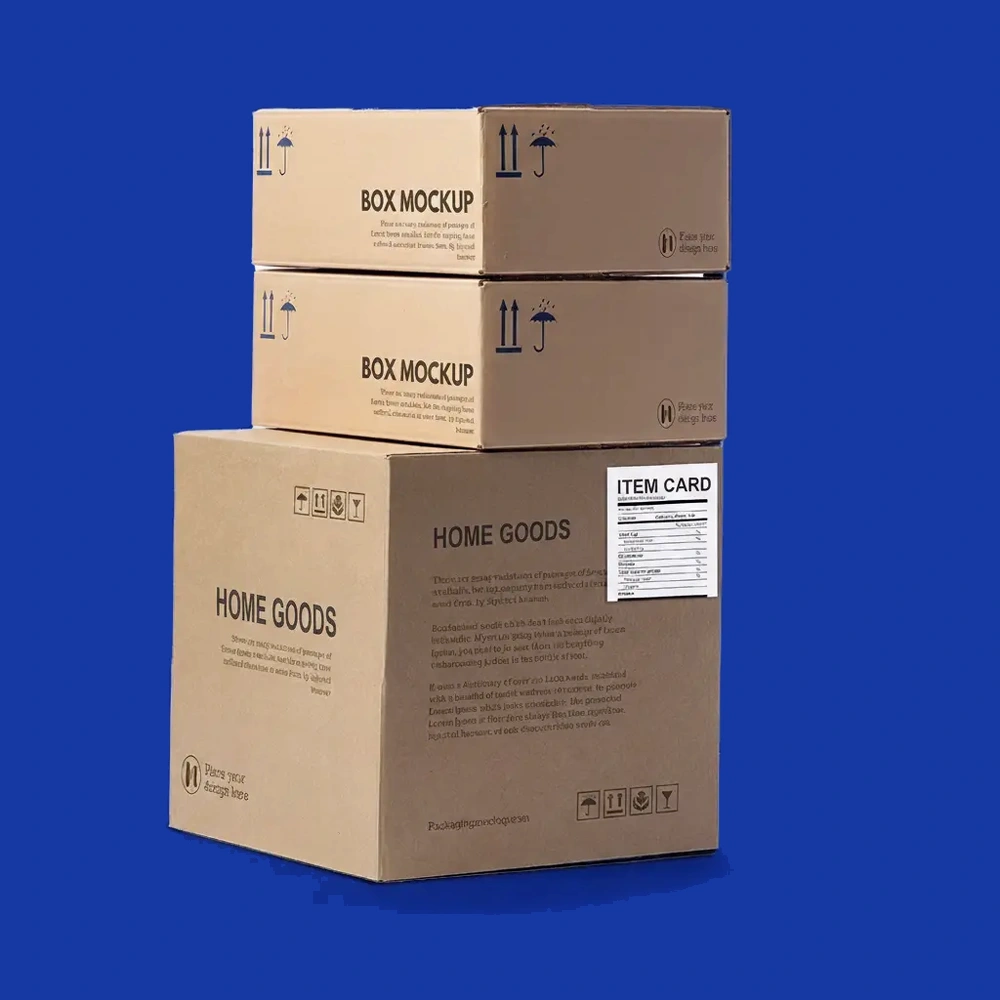
Table of contents:
- What Is a Warehouse Item Card?
- What Are the Components of an Item Card?
- What Is the Importance of the Item Card in Warehouses?
- How Is an Item Card Prepared?
- What Is the Difference Between an Item Card, an Inventory Card, and an Issue Voucher?
- Is There a Ready-to-Download Item Card Template?
- How Can an Item Card Be Created in the Daftra System?
- Frequently Asked Questions
How can large quantities of goods and merchandise be managed and circulated successfully?
The answer, quite simply, lies in the Item Card or Inventory Item Card. It is an essential identification card for every product, and an inventory item card contains the product specifications, prices, and the quantities available in warehouses.
Therefore, in this article, we present a comprehensive guide to the importance of the item card, its components, and how an inventory item card works. In addition, we provide an item card template you can download and edit to suit your business needs.
What Is a Warehouse Item Card?
An item card is one of the tools used to control inventory movement. It serves as an identification card for each item in inventory, through which all data related to the item is recorded.
The inventory item card is used to monitor the value and quantity of stock in warehouses. Using item cards, you can view the inventory balance of available items.
The item card is referred to in English as Item Card or Stock Card.
What Are the Components of an Item Card?
An item card in a warehouse contains data that serves two purposes: controlling inventory movement and providing accurate information on the quantities and values available in stock for each item. The data included in a warehouse item card are as follows:
1- Item Name
When writing the item name, it should be clear and match the issue and receipt documents as well as invoices, to avoid any confusion.
2- Item Number and Code
The item number and its specific code are also added to confirm the item and prevent overlap.
3- Maximum Storage Level
The maximum storage level for the item is specified as the maximum quantity the inventory can accommodate for that item.
4- Safety Stock
Each item should have a safety stock. In this section, the safety stock level for the specified item is determined.
5- Reorder Level
Also referred to as the “reorder point,” it is the quantity at which, once reached in inventory, the process of ordering more of the item begins, to avoid stockouts due to delays in supply operations or any other reason.
6- Issued Quantities
The issued quantity should be clarified in the warehouse item card so it can be deducted from the available quantity of the item in inventory, if stock is available.
7- Received Quantities
The received quantity should be clarified in the item card so it can be added to the available quantity of the item in inventory, if a previous quantity exists in stock.
8- Remaining Balance
The remaining balance is considered one of the most important data points that should be included in the item card, in order to determine the level of need for the item and make related decisions.
9- Value
The value of each transaction carried out on the item is included, whether it is an inventory issue transaction or a supply transaction.
What Is the Importance of the Item Card in Warehouses?
The importance of the item card stems from its role: it is one of the primary tools for controlling inventory movement and ensuring the smooth flow of storage, production, and purchasing operations in warehouses.
Based on this main role, there are other benefits achieved by adhering to the preparation of an item card, including:
1- Facilitating Inventory Management and Stocktaking
The warehouse item card is used to tighten control over inventory, track the quantities of available products and goods, facilitate inventory counting processes, and reduce errors related to them, such as stocktaking errors and inaccurate product recording. It also reduces the loss of product-related information, as all data is consolidated in a single place via the item card.
In addition, the warehouse item card protects against risks associated with excess or shortfalls in inventory beyond the required level. The item card also helps avoid pricing errors by providing accurate details on prices and costs for each item.
2- Providing the Necessary Statistical Data About Inventory
The inventory item card shows the available quantities of each item, which helps make sound managerial decisions about new purchases.
Through the warehouse item card, it is also possible to analyze all data and collect important product information, making it easier to access at any time and helping the company analyze the performance of resource distribution across items.
3- Improving Customer Experience
The item card provides warehouses with accurate customer information for each product, including specifications, prices, and more, helping them make purchasing decisions that meet their needs.
How Is an Item Card Prepared?
Many accountants struggle to know how to prepare an item card, as it requires practical experience and practice.
However, we will provide you with a sufficient answer on how to prepare an item card and spare you the effort of searching and practicing in the next few steps.
- Two copies of the item card are prepared by adding the data explained above in the components of the warehouse item card. The first copy is delivered to the storekeeper, who is responsible for tracking the item's movement and recording every issue or receipt transaction performed on the product.
- The second copy of the item card is delivered to an administrative body responsible for controlling and monitoring the movement of the organization’s warehouses.
A copy of each prepared item card is sent to this body to facilitate access to any item card without the need to go to the warehouse and search for its exact location.
This copy is also important for verifying the accuracy of the first card and replacing it if it is lost.
- After completing both copies of the item card, a physical count of the actual quantity available should be conducted and matched with the balance shown on both cards. If any movement occurs on the item, whether an issue or a receipt, it is recorded immediately.
At the end of each day, items are reviewed and compared with the cards to ensure that the data matches the actual quantities.
The Daftra accounting system offers several programs to help you manage inventory and products effectively. Among the available programs are the Product Management Program, Inventory and Warehouse Management Program, Inventory Voucher Management Program, and other essential programs for inventory management.
What Is the Difference Between an Item Card, an Inventory Card, and an Issue Voucher?
- The warehouse item card has already been explained. It is the document through which the movement of each item in inventory is tracked, including issues, receipts, and returns.
- The inventory card, or stock card, is a synonym for the item card, whereas the issue voucher differs significantly from both.
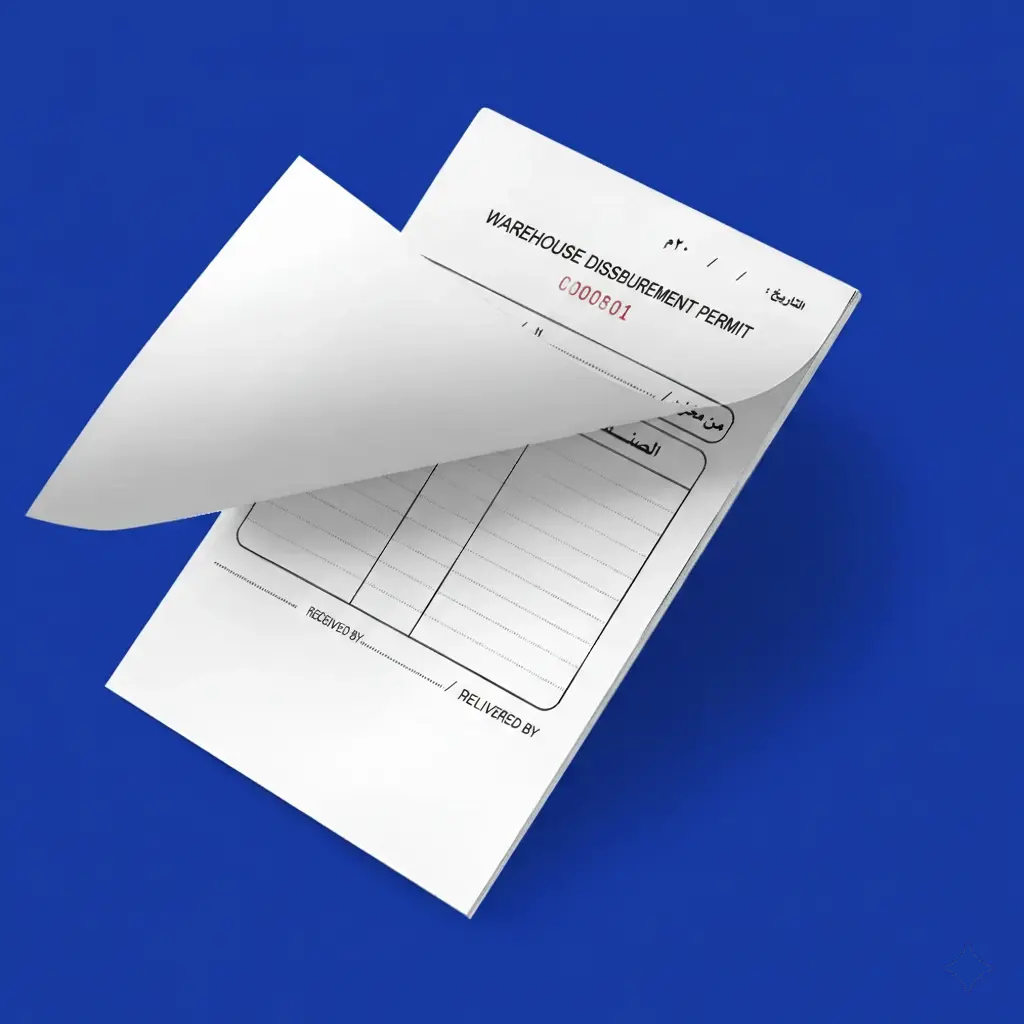
- An issue voucher is the document created after approval to issue a quantity of an item from inventory. It contains the item’s data, including (item name, quantity, and the customer to whom the item is issued). The issue transaction is added to the item card based on this voucher.
Is There a Ready-to-Download Item Card Template?
To relieve you of the burden of preparing a new item card, we offer a special item card template prepared by the Daftra team that you can download and edit directly.
How Can an Item Card Be Created in the Daftra System?
Modern Enterprise Resource Planning (ERP) systems, such as Daftra, offer many features that have prompted business owners and organizations to rely on them and move away from traditional methods of managing their organizations and financial and accounting systems.
Among these features is the Inventory and Warehouse Management Program, which enables you to automatically track inventory, provide accurate information about its movement, and record all issue and receipt transactions through the control panel for each product.
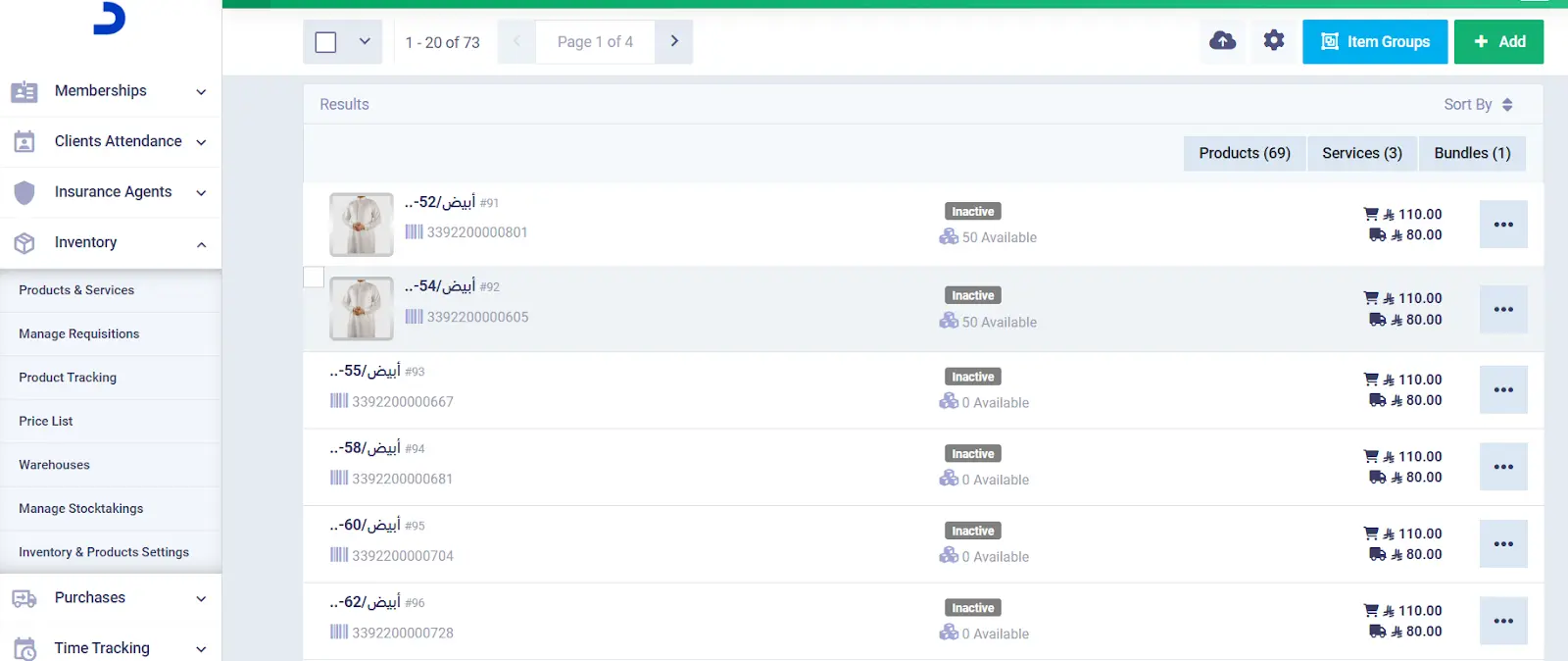
An item card for a product can be created through the Daftra dashboard, which provides many templates and special designs for creating identification item cards for products, with the option to print them, by following these steps:
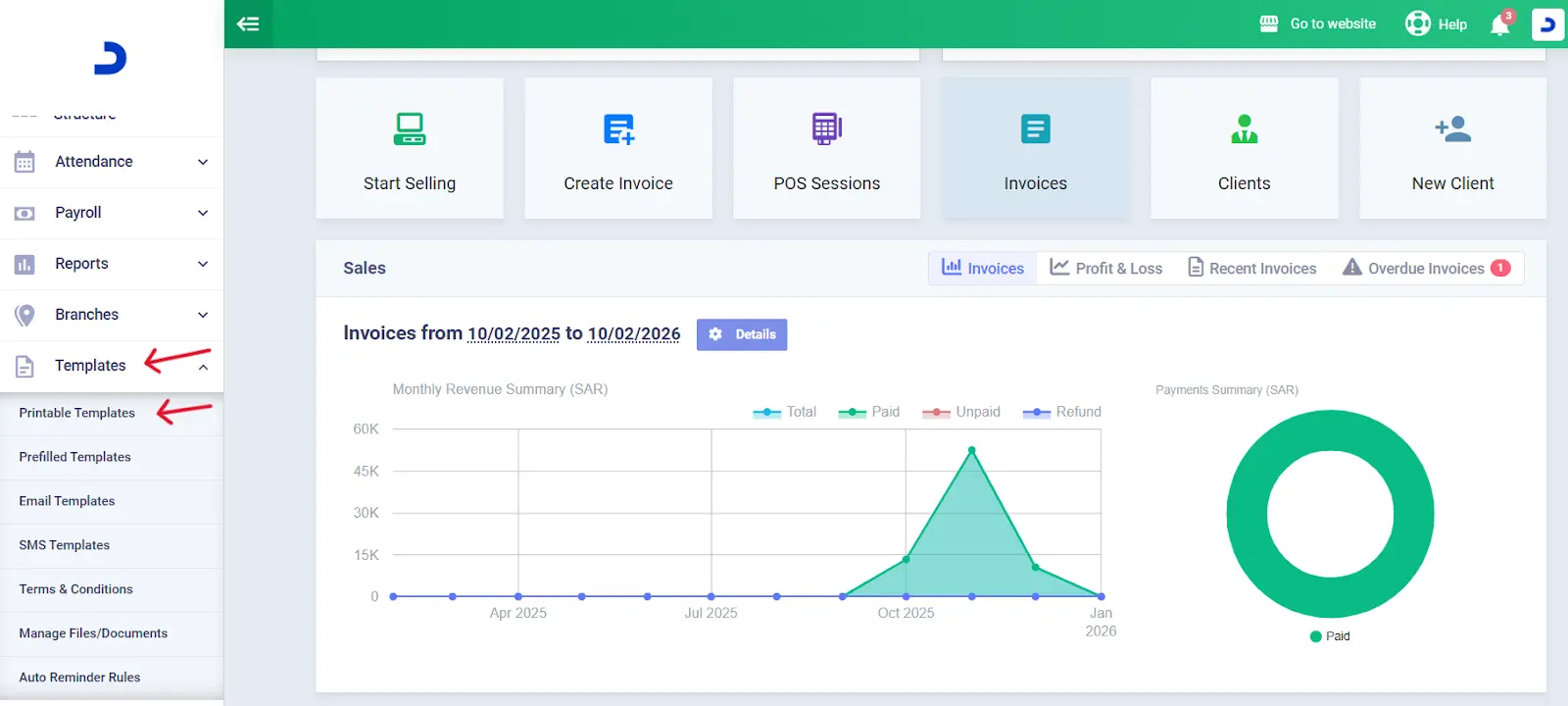
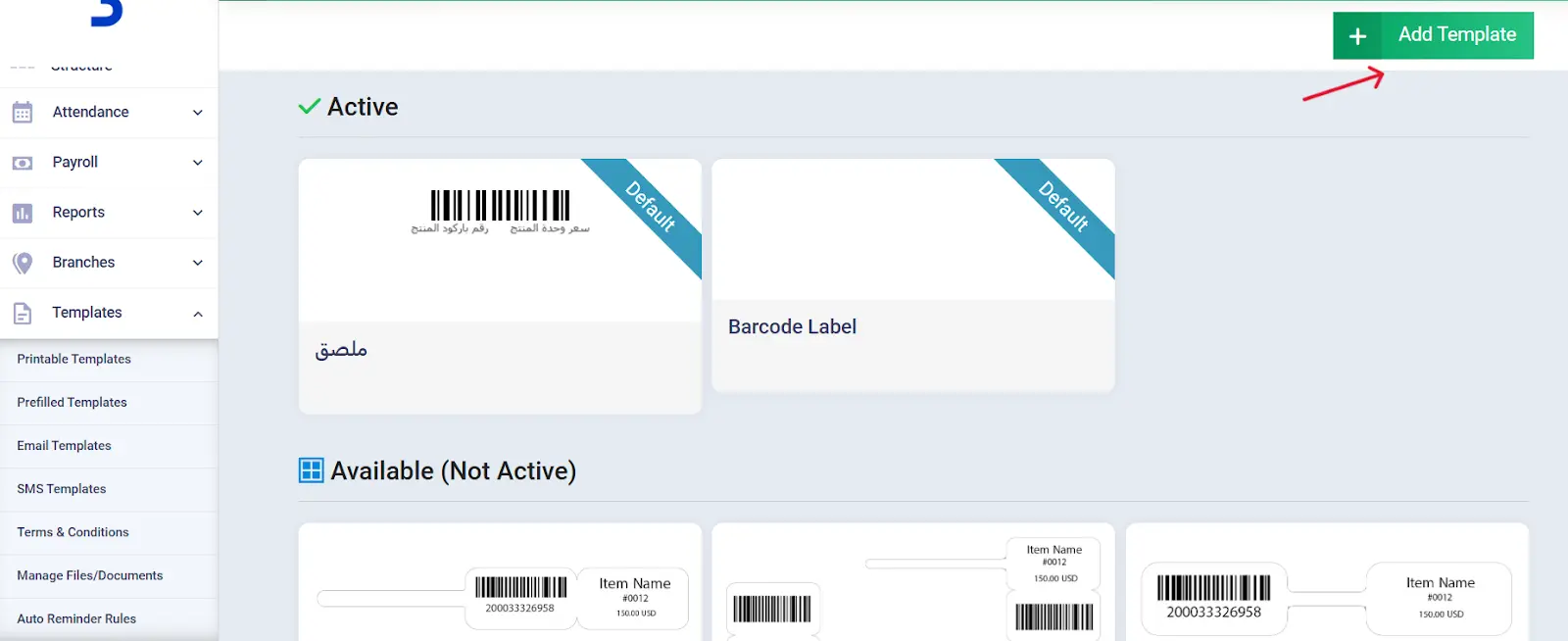
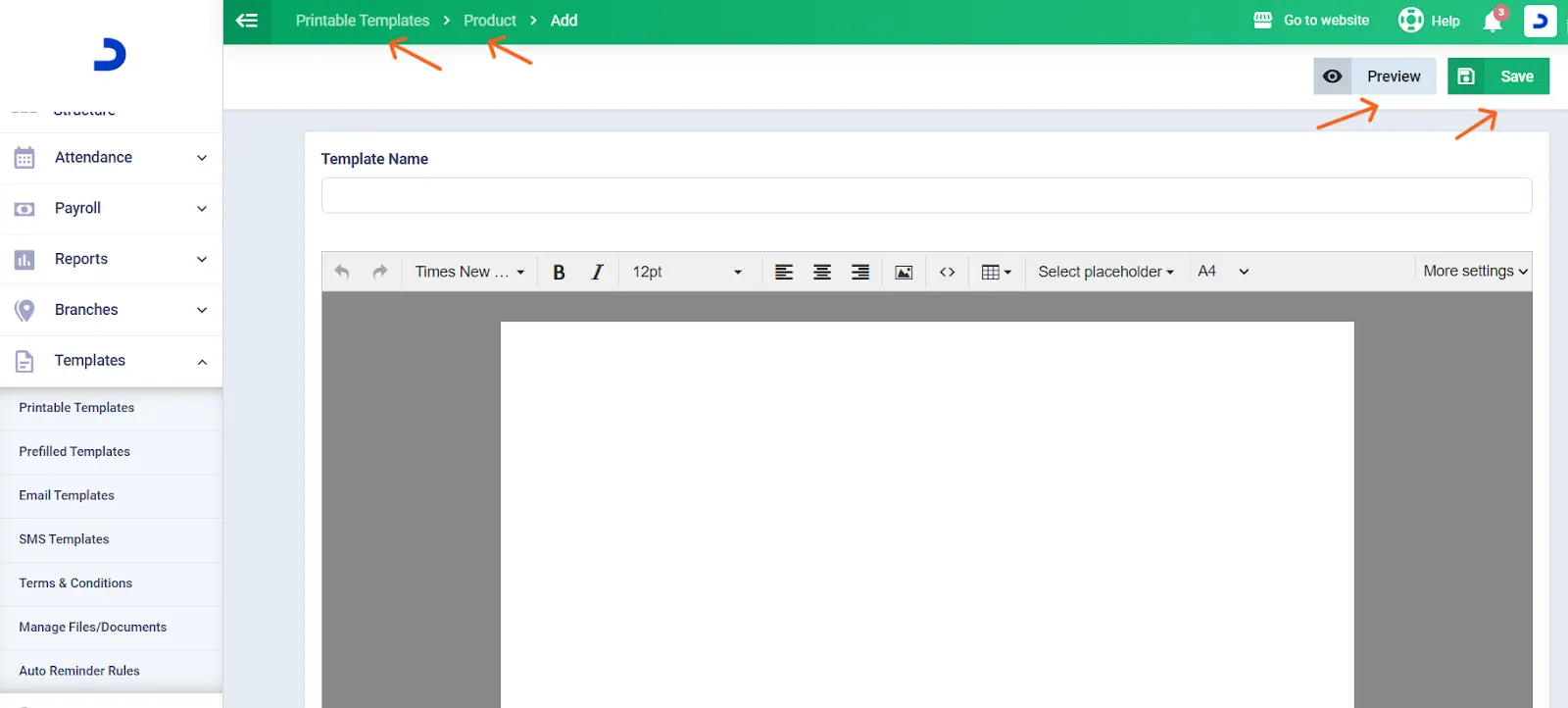
- Click on Templates in the dashboard, then choose Print Templates from the dropdown menu as shown.
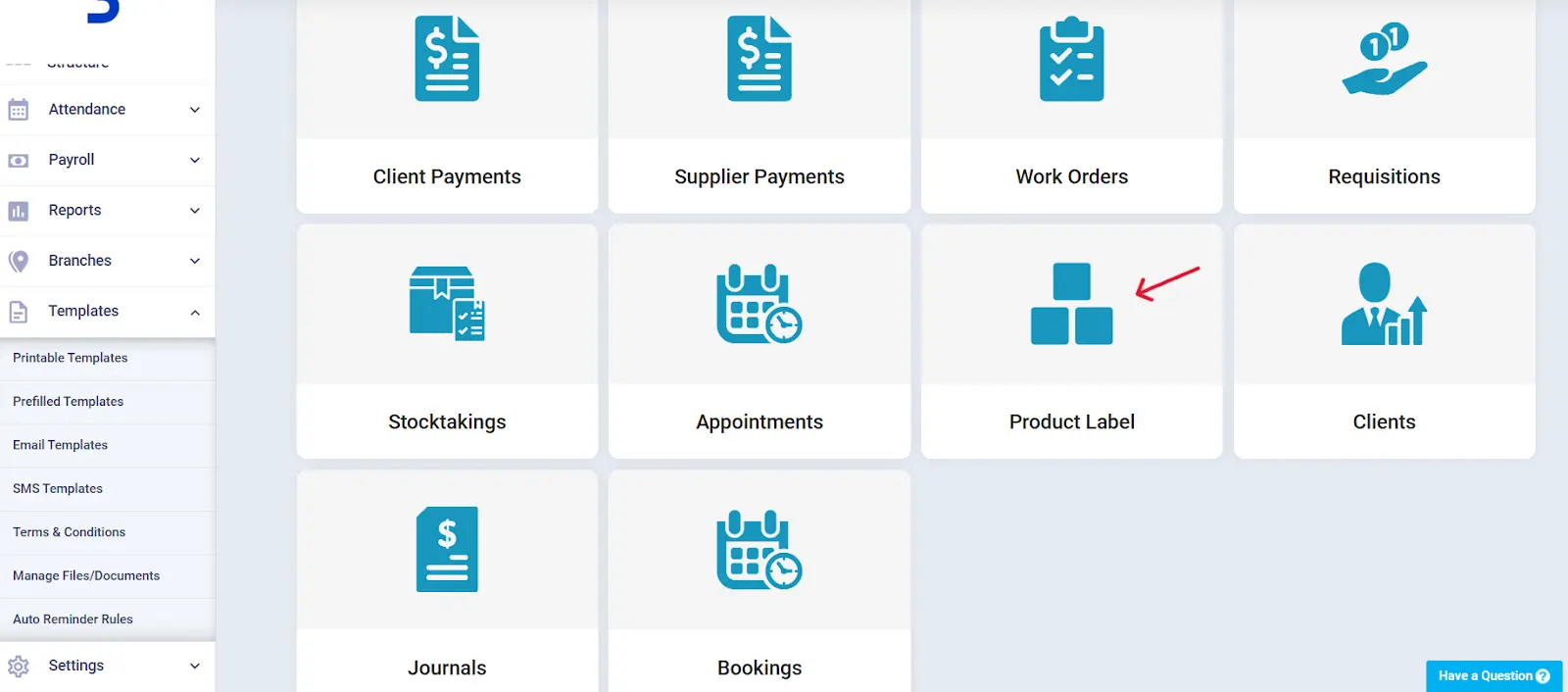
- Select Product Labels.
- Select Add Template, then start designing it as needed and include elements such as (product code, product barcode, product price, and others). After that, you can preview the template layout and save it.
Frequently Asked Questions
Can the item card and the inventory card be used together?
Yes, the item card and the inventory card can be used together. Each complements the other: the item card provides details on product specifications and quantities, while the inventory card provides information on storage locations and inventory movement, thereby improving inventory management and reducing risks associated with product management.
What are the most common mistakes when preparing an item card?
- Not updating product information regularly, such as prices, specifications, or quantities, leads to inaccurate information in the item card.
- Failing to add some important details, such as product expiration dates and item code numbers.
- Using complex formatting for the item card makes it difficult to read and understand.
What is an item card?
An item card, or item card record, is a product or item identification card in the warehouse. It contains all item data, starting from the name and description to the purchase price and the quantity available in the warehouse.
What is an inventory code?
An inventory code, also known as (SKU), is a code consisting of letters and numbers used to identify the type of item and its movement in inventory. It is a unique code that cannot be repeated.
How can I fill out an inventory card?
An inventory card is filled out by recording item data (date – code – item – quantity) in order to track and monitor item movement, along with other basic data such as (storage location – current item value and purchase value).
What is the definition of an inventory card?
An inventory card contains the movement of an item within the warehouse (name – code – description – date). This card is used to determine incoming and outgoing quantities and to track the movement of a product or item in the warehouse.
What should be done in case of an inventory shortage?
In the event of an inventory shortage, you must verify the cause of the shortage and then carry out the appropriate accounting adjustments. After that, normal shortages are charged to profit or loss, while abnormal shortages are charged to the party responsible.
What is an inventory movement journal?
An inventory movement journal is a ledger in which all inventory movements of incoming and outgoing goods from the warehouse are recorded over a specific period.
What are the methods of inventory valuation?
There are three methods used for inventory valuation: First-In, First-Out (FIFO), Last-In, First-Out (LIFO), and the Weighted Average Cost method. All these methods are effective for inventory valuation, and the company uses the valuation method that best suits its activity and field.











 Invoicing
 POS
POS Offers
 Installments
 Sales Commission
 KSA E-Invoice Software
 EGY E-Invoice Software
 JO E-Invoice Software
 E-Invoice Software
 Chart of Accounts
 Asset Management
 Cost Centers
 Expenses
 Cheque Cycle
 UAE VAT-Tax
 Product Management
 Purchases
 Purchase Cycle
 Suppliers
 Requisitions
 Stocktaking
 Organizational Structure
 Personnel Management
 Attendance and Leave
 Contracts
 Payroll
 Requests
 Work Orders
 Booking Management
 Rental and Unit Management
 Time Tracking
 Work Flow
 Lease Contracts
 Manufacturing Management
  Client Follow-Up
 Loyalty Points
 Points and Credits
 Memberships
 Insurance Management
 Daftra ERP Full App
 Point of Sales App
 Point of Sales for Desktop – Support Offline Mode
 AI Expenses Scanner App
 Employee Attendance, Sign & ESS App
 E-invoice Reader App
 Inventory Stocktaking App