


What Is GIBAN in UAE? VAT Payment via EmaraTax, IBAN & SWIFT Explained

Table of contents:
- Key Summary
- What is a GIBAN (and what it’s used for)
- GIBAN vs IBAN vs SWIFT (quick clarity for business users)
- Where to find your GIBAN in EmaraTax (and what else you need)
- Step-by-Step Guide to Making Tax Payments Through EmaraTax
- How to pay VAT using GIBAN (local bank transfer step-by-step)
- IMPORTANT Payment reference number for GIBAN (when/why it matters)
- Other VAT payment options in EmaraTax (and charges)
- Fixing problems wrong GIBAN, payment not reflected, or you need to cancel a reference
- What happens after you pay allocation rules (VAT vs penalties) + reconciliation tips
- How Daftra Supports VAT Compliance
- FAQ
The Federal Tax Authority (FTA) has streamlined the TAX process by introducing the GIBAN system, designed to facilitate smooth and error-free tax payments. The main purpose of the GIBAN system is to ensure that tax payments are correctly allocated to the respective taxpayer’s account. Before the introduction of GIBAN, taxpayers often faced difficulties in tracking payments or experienced delays due to incorrect payment references or bank account details.
Today every payment made against tax liabilities can be instantly and accurately matched to the taxpayer’s account, minimizing errors and processing delays. This development not only enhances transparency but also simplifies reconciliation for both taxpayers and the FTA.
What is a GIBAN (and what it’s used for)
GIBAN stands for Generated International Bank Account Number, not a regular bank account. It is a dedicated payment reference account created by the Central Bank of the UAE and managed by the FTA. It is linked to your Tax Registration Number (TRN) and can be used for VAT payments, penalties and fines related to tax obligations, and excise tax payments.
You should always include the unique reference number when making payments using GIBAN. This unique number is used to ensure that your payments are accurately allocated against your selected liabilities.
Note: GIBAN cannot be used for other government fees, such as municipality charges or immigration services. Using it outside its purpose will result in the payment being rejected.
Who is Allowed to Use GIBAN Number?
The GIBAN number is issued to all tax registrants inside the UAE, including:
- Businesses registered for VAT
- Individuals registered for VAT (Value Added Tax)
- Companies that registered for Excise Tax
- Other registrants under various tax schemes administered by the FTA
Read also: how to register for vat in uae
UAE banks and other financial institutions are integrated with EmaraTax
This means that when making a GIBAN payment the unique reference number will be used to validate the GIBAN and the amount payable If the details you provide at the time of payment are incorrect, your payment will be rejected.
Use MagnatiPay to make online payments
We no longer accept eDirham as a payment method. MagnatiPay is the new payment gateway. It accepts payments made using any Visa or Mastercard prepaid, debit or credit card.
GIBAN vs IBAN vs SWIFT (quick clarity for business users)
To avoid confusion between GIBAN, IBAN and SWIFT, you should know that:
A GIBAN is generated by the FTA and linked to your tax account, while a bank IBAN is issued by your bank for a regular account. A GIBAN is used only to pay VAT, Excise Tax, and related penalties.
SWIFT code facilitate communication between financial institutions, whereas IBANs direct the actual money to specific accounts.
| GIBAN | IBAN | SWIFT | |
| Meaning | A dedicated payment reference account managed by the FTA. It is linked to your Tax Registration Number (TRN). | A standard bank account identifier format used for structured payments. | A unique identifier used to route international payments to the correct bank, issued by financial institutions. |
| Purpose | Used strictly for settling the UAE government dues, such as Corporate Tax, VAT, Excise Tax, and related penalties. | Authenticates and verifies an individual bank account to ensure money lands in the right, specific hands. | Acts as a global messaging and routing network that banks use to communicate and process international wire transfers. |
| Format | Standard IBAN with a government-assigned virtual account number. | (Up to 34 characters); begins with a 2-letter country code. | Always 8 or 11 characters long. |
Note: Both (IBAN and SWIFT code) are essential codes used to route and secure international money transfers.
Where to find your GIBAN in EmaraTax (and what else you need)
To facilitate the VAT payment by persons registered under VAT, the FTA has introduced a new method of paying tax “GIBAN”. This process requires careful attention to detail.
First you should know, there are only three available payment methods through EmaraTax:
- Tax Payment via GIBAN
- Tax Payment via Credit/Debit Card
- Tax Payment via Exchange Houses.
Step-by-Step Guide to Making Tax Payments Through EmaraTax
Step 1: Log in to the EmaraTax Portal
Visit the official FTA portal. Enter your email and password to log in.
.webp)
Step 2: Access the Tax Dashboard, once you have logged in, select the tax dashboard. Click on "View" to access your tax details.
.webp)
Step 3: Choose Bank Transfer via GIBAN:
Then, to pay the amount due using GIBAN, follow the below steps:
- Login to e-Services and obtain your GIBAN from the dashboard. You will have different GIBANs for VAT and Excise Tax.
- Log in to your bank account and add FTA as a beneficiary using the GIBAN number and FTA details.
- Go to the fund transfer/domestic transfer section of your online banking portal (this name may differ based on your bank account page).
- Enter the amount you wish to pay and proceed with the payment. Then, GIBAN will be validated and the transaction will be processed accordingly.
- Once you complete the payment, login to e-Services and select ‘My Payments’ tab to check that the transaction has been reflected under the ‘Transaction History’ box.
.webp)
You can check the VAT Dashboard to verify that the payment is reflected (this may take up to 24 hours).
In addition, the FTA has eased payment of tax for taxpayers by providing the new option of payment using GIBAN. According to that, taxpayers can avoid the 2-3% fees while paying through credit card and opt for payment using GIBAN, which ensures timely remittance of the amount to FTA.
Warning:
If you are a new user and have just registered with the FTA, it will take a couple of hours for your GIBAN to be activated by the Central Bank of the UAE. Once this is done, you should be able to create a payment reference number in EmaraTax and complete your GIBAN payment.
How to pay VAT using GIBAN (local bank transfer step-by-step)
To pay your VAT through local bank transfer using your GIBAN, you should follow these steps:
- Log in to the e-Services portal and get your GIBAN from the dashboard. You should know that you will have 2 different GIBANs (VAT and Excise tax).
- Log in to your bank account and add FTA as a beneficiary, using your GIBAN and FTA details.
- Go to the fund transfer section of your banking portal and enter the amount to be paid. After you’ve done this, your GIBAN will be validated and your payment will be processed.
- Once the payment is complete, log in to the E-Services portal, go to the My Payments tab, and click the Transaction History box to check if the transaction has been updated.
Note: It can take up to 24 hours for the payment to reflect under your transaction history.
Common Mistakes:
- Entering the wrong GIBAN details: When paying VAT online, make sure you enter the correct details to prevent delays. Hance, using a personal or regular bank IBAN instead of the assigned GIBAN.
- Paying from Unregistered Accounts: Payments made from accounts not linked to your TRN may not be recognized by the FTA. Always pay from registered accounts.
IMPORTANT: Payment reference number for GIBAN (when/why it matters)
Keep in mind, to include the unique reference number when making payments using GIBAN. This unique number ensures that your payments are accurately allocated against your selected liabilities.
Always include your unique reference number when making payments using GIBAN. This unique number is used to ensure that your payments are accurately allocated against your selected liabilities.
UAE banks and other financial institutions are integrated with EmaraTax, which means that when making a GIBAN payment the unique reference number will be used to validate the GIBAN and the amount payable. If the details you provide at the time of payment are incorrect, your payment will be rejected.
Other VAT payment options in EmaraTax (and charges)
Other options of paying VAT in the UAE
Nowadays, businesses in the UAE can choose from several convenient methods to pay VAT to the FTA. All VAT payments in the UAE are made through the EmaraTax / FTA e‑Services portal, in the section “My Payments”. You can view your outstanding liabilities, generate a GIBAN for bank transfers and choose Magnati gateway.
Paying by bank card via FAB Magnati
You can pay your VAT liability by using a debit or credit card through the FAB Magnati payment gateway integrated into EmaraTax.
How to use FAB Magnati: Log in “EmaraTax”, go to “My Payments”, select the liability you want to pay, click “Make Payment”, choose “Card payment”, once you click on "FAB Magnati Pay", It will redirect you to the banking portal where you can easily pay the tax liability using your credit card or debit card.
Instant processing in most cases and convenient online payment directly from your EmaraTax account.
Note: A payment using the FAB Magnati gateway will typically incur a charge of 0.68% of the total amount debited from the card. Once you are redirected to the FAB Magnati gateway, you will be able to make the payment through a Credit card, Debit card or a Prepaid card (Visa / Master Card).
For Partial Payments:
Partial payments can be made if you do not have to pay the entire amount due. Enter the amount you can pay under the relevant box (Excise Tax or VAT), and click “Make Payment”.
However, make sure you pay the entire amount before due date to avoid a penalty. Older liabilities will be paid off first and then the more recent ones will be fulfilled afterwards.
Note: The FTA no longer accepts eDirham as a payment method. Magnati Pay is new payment gateway. It accepts payments made using any (Visa or Mastercard) prepaid, debit or credit card.
Fixing problems: wrong GIBAN, payment not reflected, or you need to cancel a reference
You should know every case have its procedure
Using Wrong GIBAN:
- Contact the bank: Initiate a recall request with the bank you used to make the transfer. Provide them your transfer receipt, the incorrect GIBAN entered, and the details of the transaction.
- Check the payment status: Log in to your EmaraTax account to check if your tax balance has been updated or if the payment is pending or rejected.
- Contact the FTA: If the payment is delayed or you encounter an update issue, contact the FTA Call Center at info@tax.gov.ae or call 80082923 for assistance. Provide your EmaraTax account details, a screenshot or copy of the payment receipt, and the GIBAN used.
GIBAN Payment Not Reflected:
If you made a bank transfer but the balance does not show up in your tax account:
Wait 24 Hours: Sometimes transfers take up to one business day to reflect in the EmaraTax Portal.
Verify Payment Allocation: Go to "My payments", select "Select and Pay" then "Allocations Pending Payment" to verify if the payment is linked to your 6-digit payment reference number.
Contact Support:
- If you are an existing user and are facing this issue, please contact our Call Center at 80082923 or email us at info@tax.gov.ae and provide screenshots of the issue you are facing along with your GIBAN.
- If you are a new user and have just registered with the FTA, it will take a couple of hours for your GIBAN to be activated by the Central Bank of the UAE.
To cancel GIBAN reference number:
All you have to do, tab “Allocations pending payment”. The liabilities that had been selected as part of that payment reference number will then be released and will be visible again on your "Select and Pay" screen.
What happens after you pay: allocation rules (VAT vs penalties) + reconciliation tips
VAT has become a cornerstone of the UAE’s economy, with the Federal Tax Authority (FTA) reporting billions of AED in annual collections. Today, missing deadlines for filing VAT returns or paying VAT dues can result in steep penalties, making it essential to understand the rules and stay ahead of compliance requirements.
VAT Payment Allocation Options in the UAE
Businesses can choose how their VAT payment is allocated:
- Tax Liability Cleared: Older tax liabilities are prioritized before newer ones.
- Administrative Penalties Cleared: Penalties are cleared before any outstanding tax liabilities.
- Oldest Liability Cleared: Payments are applied in chronological order, regardless of whether they cover tax or penalties.
You can choose or update your payment allocation preferences by selecting "My Payments" in the FTA’s eServices portal.
What UAE FTA Looks at VAT Audit?
The Tax Procedures Law lets the FTA audit any person to test their tax position and gives auditors access to premises, documents and electronic records. Also, they usually give at least ten days’ notice, but they can visit without warning in suspected evasion cases.
When an audit starts, the team compares VAT returns to underlying records. That includes tax invoices, contracts, customs paperwork and ledgers. They can ask for explanations of specific entries, sample transactions or the way your ERP generates VAT reports.
Step-by-step Checklist for an In-House Bank Reconciliation Audit
Before the FTA reviews your accounts, you should be the first to do so.
Conduct Monthly Reconciliations: Ensure your bookkeeping records match your bank statements without fail.
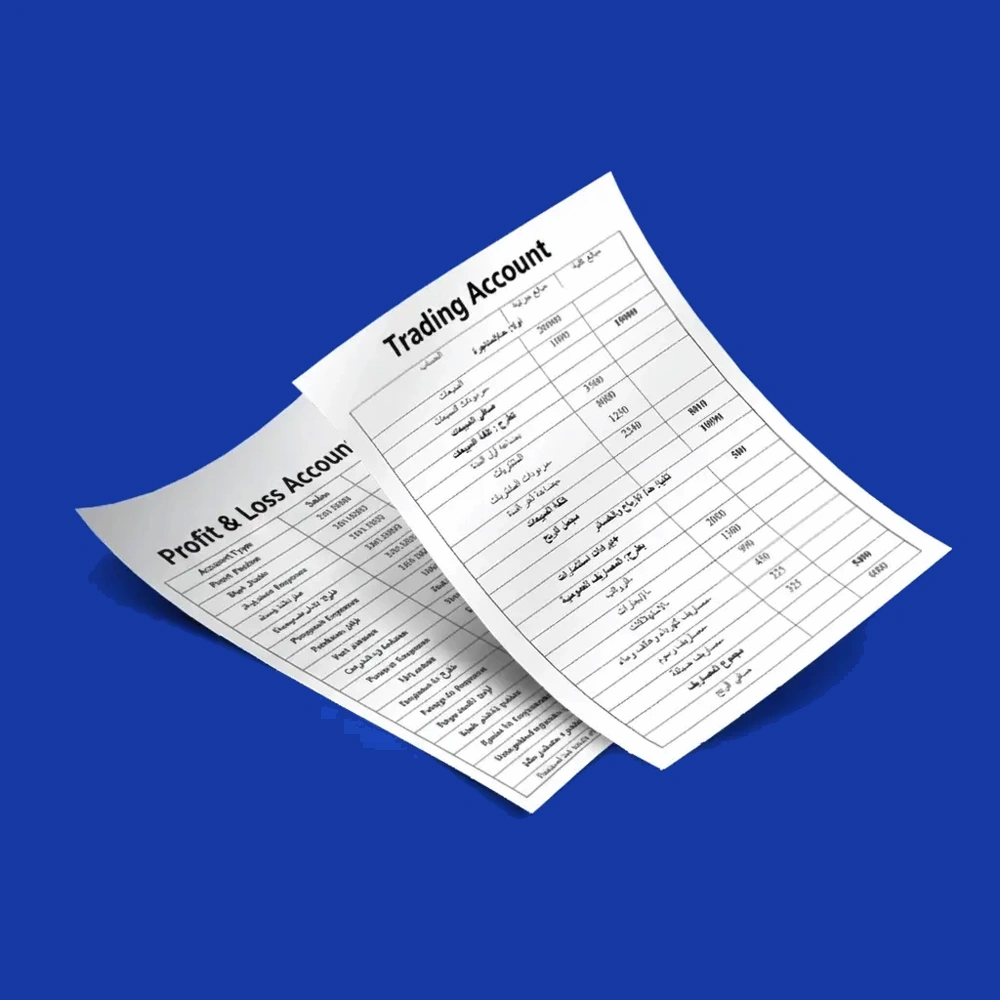
Perform a "VAT Return to P&L" Reconciliation: At the end of each quarter, reconcile the total revenue reported on your VAT return with the revenue shown on your Profit and Loss statement. Be prepared to explain any differences.
Review High-Risk Transactions: Proactively review your treatment of complex areas:
- Ensure input tax apportionment
- Reverse Charge Mechanism (RCM)
- Correctly identified and excluded VAT
Generate the FTA Audit File: The FTA Audit File is a standard file format required by the FTA. Check if your accounting software can generate this file correctly. This is a standard feature in FTA-accredited software.
Document Your VAT Policies: Have a simple, written policy that explains how your company handles key VAT decisions (e.g., how you classify different revenue streams, your process for verifying supplier invoices).
Appoint an Audit Point Person: Designate a single, knowledgeable person, who will be responsible for managing the audit process if a notification is received.
How Daftra Supports VAT Compliance
Daftra covers every stage of the VAT compliance lifecycles start from transaction capture to audit response
- Data Ingestion and Standardisation: Collect and normalise transaction data from all business systems.
- Reconciliation: Match purchase and sales registers; identify gaps, duplicates, and anomalies to avoid wrong GIBAN.
- Audit Support and Reporting: Generate audit packages, respond to authority queries, and support tax reviews.
- Invoice Validation: Validate tax codes, rates, and supplier data against master records and authority requirements.
- Return Preparation: Daftra can auto-assemble VAT returns per jurisdiction format with full supporting schedules.
- E-Filing and Authority Submission: Submit directly to tax authority APIs with real-time acknowledgement.
FAQ
How can I pay my VAT bill?
Paying your VAT bill in the UAE is a streamlined process managed through the Federal Tax Authority's (FTA) EmaraTax Portal. Payments can be completed online using a GIBAN via bank transfer, or a standard Credit/Debit card.
How to pay late tax return penalty?
To pay a late tax return penalty in the UAE, you must settle the fine through the FTA EmaraTax Portal.
Log into your account, navigate to the "Select and Pay" or "Payments" section to generate a payment reference, and settle the exact amount via a GIBAN bank transfer, credit card, or debit card.
Is IBAN my bank account?
Yes, your IBAN is your bank account number, but in a standardized, internationally recognizable format. It does not replace your original account number; it just adds extra characters to the front so banks anywhere can easily and accurately route your money.
What is an IBAN in a bank account?
An IBAN (International Bank Account Number) is an internationally-agreed code made up of up to 34 letters and numbers that helps banks make sure that international transfers are processed correctly.
What is a beneficiary account number?
A beneficiary account number is the bank account of the intended recipient of a funds transfer. In the UAE, formatted as a 23-character IBAN, which securely identifies both the recipient's bank and their specific account for local and international transfers.
How to make payment using IBAN?
To make a payment using an IBAN in the UAE, log into your bank’s mobile or online banking app, select fund transfers, and add the beneficiary using their exact 23-character UAE IBAN. Provide the beneficiary bank's SWIFT/BIC code and ensure you state the mandatory Transaction Type and Reference.
How to get an IBAN?
Your UAE bank automatically generates one for every active account. You can easily retrieve your 23-character UAE IBAN (which starts with 'AE') via your bank’s mobile app, online banking portal, monthly statements, or by calling customer support.
Can I get my IBAN online?
Yes, you can easily get your IBAN online. UAE banks allow you to generate, view, and copy your IBAN through their internet banking portals or mobile apps.
How do I get my IBAN account?
You can instantly retrieve your UAE IBAN by logging into your Mobile Banking App, checking your monthly account statements, or generating it using your standard account number via your bank's official website.
Is an IBAN required in the UAE?
Yes, IBAN is required in the UAE. It is required for all domestic electronic transfers, international payments, and salary processing through the Wages Protection System (WPS).
Do UAE banks use IBAN?
Yes, all UAE banks use the IBAN number. By a mandate from the UAE Central Bank, using an IBAN is mandatory for almost all domestic and international electronic fund transfers, including salary payments, to ensure safe and accurate processing.
Is IBAN the same as SWIFT?
No, an IBAN and a SWIFT code are not the same thing. They both facilitate bank transfers in the UAE, but they serve completely different purposes. Also, IBAN names the exact bank account, while the SWIFT code names the specific bank.
Do I need a SWIFT code If I have an IBAN?
Yes, you typically need both a SWIFT code and an IBAN when making or receiving international money transfers to or from the UAE. While the IBAN identifies your specific bank account, the SWIFT code identifies the exact bank branch receiving the money.







 Invoicing
 POS
POS Offers
 Installments
 Sales Commission
 KSA E-Invoice Software
 EGY E-Invoice Software
 JO E-Invoice Software
 E-Invoice Software
 Chart of Accounts
 Asset Management
 Cost Centers
 Expenses
 Cheque Cycle
 UAE VAT-Tax
 Product Management
 Purchases
 Purchase Cycle
 Suppliers
 Requisitions
 Stocktaking
 Organizational Structure
 Personnel Management
 Attendance and Leave
 Contracts
 Payroll
 Requests
 Work Orders
 Booking Management
 Rental and Unit Management
 Time Tracking
 Work Flow
 Lease Contracts
 Manufacturing Management
  Client Follow-Up
 Loyalty Points
 Points and Credits
 Memberships
 Insurance Management
 Daftra ERP Full App
 Point of Sales App
 Point of Sales for Desktop – Support Offline Mode
 AI Expenses Scanner App
 Employee Attendance, Sign & ESS App
 E-invoice Reader App
 Inventory Stocktaking App