



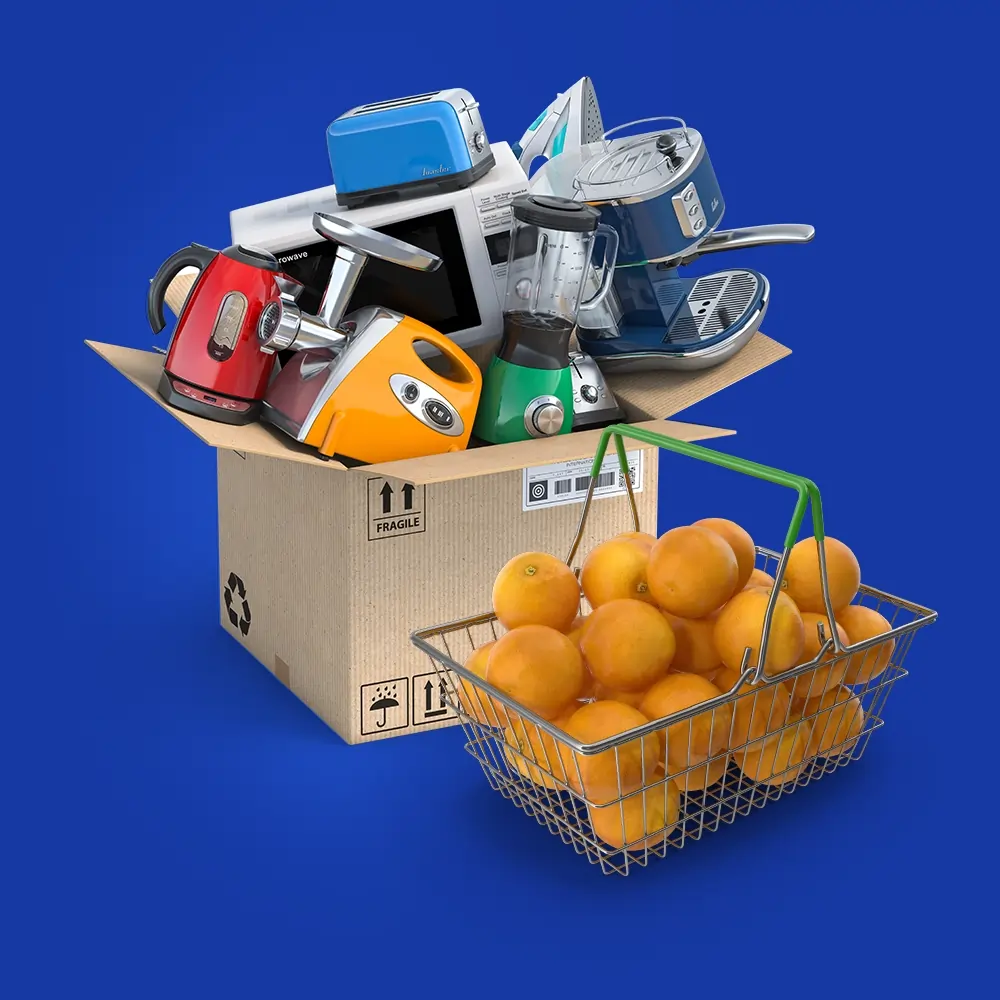
Table of contents:
- Definition of Goods
- Definition of Durable Goods
- Definition of Non-Durable Goods
- What Are the Main Types of Durable Goods?
- What Are the Main Types of Non-Durable Goods?
- What Is the Difference Between Durable and Non-Durable Goods?
- Registering and Managing Durable and Non-Durable Goods on Daftra
- Frequently Asked Questions
Businesspeople are always wondering what consumers need. Therefore, many questions are raised at the beginning of every financial and production cycle, such as: What does the consumer want or need? What are the things that satisfy the desires of the audience? What are the current preferences and tastes of consumers? And how can they be fulfilled?
These questions form the foundation of commercial and industrial activities. The answer to all these questions can be summarized in one word: the “product.” If it is tangible, it is referred to as a “good,” and if it is intangible, it is referred to as a “service.”
When discussing goods, there are several types consumers need, including industrial and production goods, in addition to consumer goods, which include durable and non-durable goods.
In this article, we will explain the definition of durable goods and non-durable goods, highlight the main types of these goods, provide examples of each, and clarify the difference between durable and non-durable goods.
Definition of Goods
First, it is important to define the concept of goods in general. Goods are tangible items offered to consumers or sets of benefits that consumers obtain to satisfy their needs. These benefits can be physical, such as the product's inherent characteristics, or psychological, which the consumer gains after purchasing the good.
There are different types of goods, with consumer goods being among the most important. These are goods that individuals use directly to satisfy their needs and gain utility during their daily activities.
The focus of today’s article is consumer goods based on the period of consumption, which are divided into the following:
- Durable goods
- Non-durable goods
Definition of Durable Goods
Durable goods are goods used over a long period without losing their value or usefulness. By nature, these goods can be used multiple times and in different ways.
The lifespan of such goods may extend beyond three to five years, and therefore, they are not expected to be replaced in the near future.
Consumers usually purchase these goods after a period of research and comparison, often comparing alternatives that offer the same quality, features, and benefits but at a lower price.
Definition of Non-Durable Goods
Non-durable goods are a type of consumer goods that may lose their usefulness over time. They are typically used quickly, either once or for a limited number of times within a short and defined period. These goods do not last more than a year, and some may last less than three years.
It can be said that trade in non-durable goods has been increasing significantly, especially due to intense competition among retailers and commercial institutions focused on these goods.
This is because consumers continue purchasing certain types of non-durable goods regardless of the business cycle or market conditions.
It is worth noting that durable goods are among the most important indicators of the state of the economy and the local market, as an increase in demand for these goods signals a strong economy.
On the other hand, low profits and weak demand for these goods indicate shortcomings and a decline in the economy and the local market, contributing to reduced investment and a weaker local currency.
What Are the Main Types of Durable Goods?
There are many types of durable goods, which are goods that last for a long time, such as cars, furniture, real estate, and many other items classified as durable goods.
Durable goods include the following types and examples:
- Real estate and land
- Home appliances such as washing machines, screens, televisions, and others
- Jewelry, antiques, and currencies
- Cars and electronic devices such as mobile phones and computers
- Photography, production, and editing equipment
- Medical tools and equipment
- Sports equipment and devices
- Firearms
- Furniture and children's toys
- Some raw materials and goods used in manufacturing and production are also considered durable goods. These are not directly for individual consumers but are sold to companies and commercial and industrial institutions
The relationship between oil and durable goods often sparks debate. Sometimes oil is classified as a type of durable good, which is incorrect.
However, durable goods may be affected by oil market conditions, and vice versa, as oil is used in the production of many durable goods, especially in the automotive, aviation, shipping, and heavy equipment sectors.
What Are the Main Types of Non-Durable Goods?
Non-durable goods are consumed quickly, unlike durable goods. Examples include food products, clothing, cleaning tools, and other items that are used up rapidly. Here are the main types of non-durable goods:
- Food products, beverages, and sweets
- Fuel and tobacco
- Hygiene and cleaning products
- Cosmetics and perfumes
- Clothing, shoes, and bags
- Paper products and office supplies
- Warranty and installation services, as well as fuel and gas services
- Cleaning services
- Beauty and personal care services
What Is the Difference Between Durable and Non-Durable Goods?
There are many differences between durable and non-durable goods. These differences include frequency of use, consumers, lifespan, and many other aspects, as explained below:
- Frequency of Use: Durable goods can be used repeatedly over a long period and have an extended economic life, often exceeding 3 years. Non-durable goods, on the other hand, are used over a short period and can be replaced, consumed, or destroyed quickly.
- Importance to the Family: All family members typically participate in decisions about purchasing durable goods, as these goods are used collectively. Their quality, high cost, and value affect the family budget.
- Lifespan: The life cycle of durable goods is longer than that of non-durable goods, as they do not spoil, rot, or get consumed after a single use like food products, for example.
- Frequency of Purchase: Some types of non-durable goods, especially those used daily, are purchased repeatedly more than once a week. In contrast, durable goods are bought in limited quantities at longer intervals.
- Benefits: Durable goods provide long-term benefits, so consumers pay close attention to their quality, as it affects performance over time.
- Price: Durable goods are relatively more expensive compared to non-durable goods. Some consider purchasing them an investment, and some may even take loans from banks to buy items such as real estate, land, or cars.
- After-Sales Service: From a customer relationship and sales management perspective, consumers care about after-sales service and maintenance for certain durable goods to achieve maximum satisfaction. Maintenance and after-sales services play an important role in purchase decisions, including the availability of spare parts, warranties, transportation, and installment options, which also help build long-term relationships with customers.
- Country of Origin: Consumers pay attention to the country of origin, product components, production and manufacturing dates, brand, and previous user experiences for both durable and non-durable goods.
- Rental Possibility: Some durable goods, such as cars, land, real estate, and equipment, can be rented and sometimes paid for on credit. In contrast, non-durable goods such as food and beverages cannot be rented.
- Purchase Planning: Consumers usually do not plan purchases of non-durable goods, as these are daily necessities for routine activities. These goods are essential for survival. Durable goods, however, are considered investment goods and are not essential for survival; many are purchased for social status.
- Economic Relation: The economy and market conditions are more closely linked to durable goods, as economic weakness leads to reduced investment in bonds and stocks. In contrast, consumers continue purchasing non-durable goods regardless of economic conditions, especially essentials like food and drink.
Registering and Managing Durable and Non-Durable Goods on Daftra
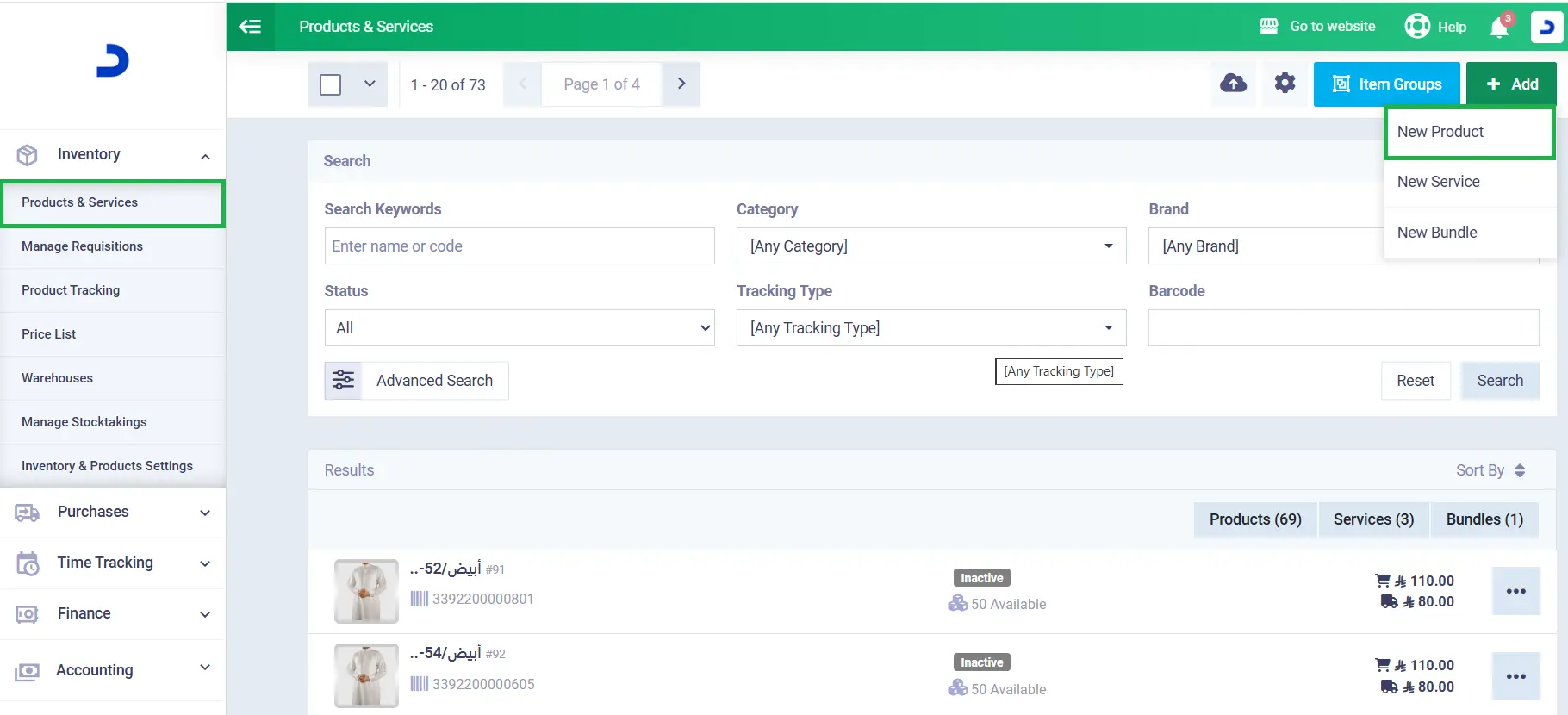
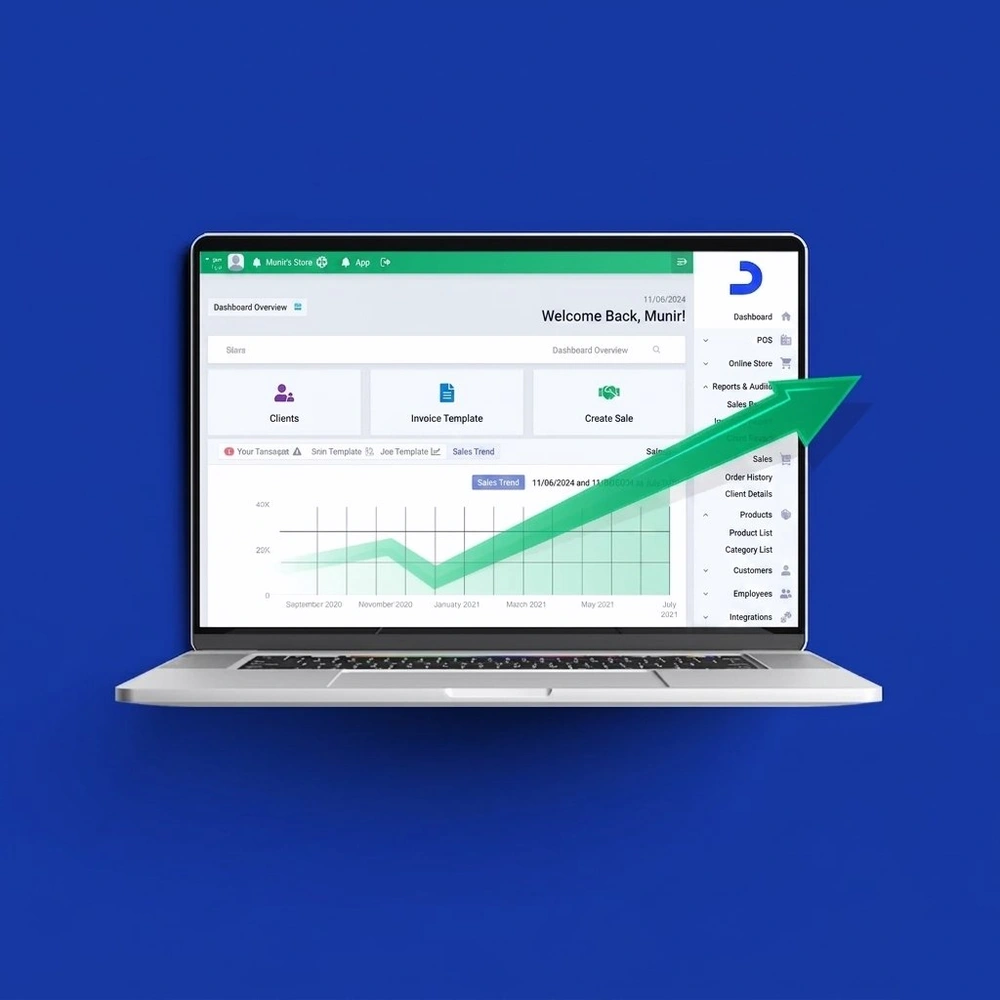
Daftra’s inventory software allows you to add both durable and non-durable goods, track stock quantities, and alert you when inventory is running low so you can reorder in time.
The system helps you link your goods inventory with the purchasing cycle and suppliers, and it integrates with the sales system, enabling you to create quotation requests, compare incoming offers, select the best option, confirm shipments, and organize delivery schedules easily and efficiently.
It also provides periodic reports that show your best-selling items, slow-moving products, and most profitable goods.
Frequently Asked Questions
Is bread a durable good?
No, bread is not a durable good. Durable goods are those that last for long periods, often years, whereas bread is a non-durable good because it does not last long.
What is a durable goods loan?
A durable goods loan is financing provided to individuals to purchase durable goods such as furniture or real estate, through monthly installment payments until the full price of the item is paid.
What are durable and perishable goods?
- Durable goods: Goods that last for a long time, often years.
- Perishable goods: Non-durable goods that spoil or expire, such as food items.
What are the disadvantages of durable goods?
- Durable goods are relatively expensive.
- They require regular and ongoing maintenance.
- Some goods are difficult to maintain.
- They are not easy to replace or change for a certain period.
What are the nine durable goods?
- Cars
- Home appliances
- Furniture
- Electronics
- Jewelry
- Firearms
- Sports equipment
- Medical tools
- Real estate
What are durable goods orders?
They are orders submitted to companies and factories for required durable goods.
What are complementary goods?
Complementary goods are products that are demanded together with other goods and complement them, such as video games and controllers, or cars and fuel, and other goods that have related complementary items.
What are consumer goods and industrial goods?
- Consumer goods: Goods used for personal use.
- Industrial goods: Goods used in the production of other goods, such as raw materials and equipment.
What is the NAICS code for wholesale non-durable goods?
The NAICS code for wholesale non-durable goods is NAICS 423.
Consumer goods of all types, especially durable and non-durable goods play an important role in both the local and global economy. Many studies indicate that consumer goods are a key component of national income.
The consumption of goods and services is the ultimate goal of all economic and commercial activities, making these goods essential in driving production and economic growth.
For example, purchasing durable goods such as jewelry and real estate may be considered an indicator of prosperity in a society.
Therefore, many economic studies consistently publish reports and indicators on durable goods purchasing trends, as these reflect the state and future of investment in the financial and commercial sectors.
Additionally, the increase in demand for non-durable goods especially in the food and beverage sector has contributed to the growth of retail activity and intensified competition among businesses to produce the best goods at the lowest possible cost.
Thus, the article has covered the general concept of goods, defined durable and non-durable goods as key types of consumer goods, and clarified the main examples of each and the differences between them.









 Invoicing
 POS
POS Offers
 Installments
 Sales Commission
 KSA E-Invoice Software
 EGY E-Invoice Software
 JO E-Invoice Software
 E-Invoice Software
 Chart of Accounts
 Asset Management
 Cost Centers
 Expenses
 Cheque Cycle
 UAE VAT-Tax
 Product Management
 Purchases
 Purchase Cycle
 Suppliers
 Requisitions
 Stocktaking
 Organizational Structure
 Personnel Management
 Attendance and Leave
 Contracts
 Payroll
 Requests
 Work Orders
 Booking Management
 Rental and Unit Management
 Time Tracking
 Work Flow
 Lease Contracts
 Manufacturing Management
  Client Follow-Up
 Loyalty Points
 Points and Credits
 Memberships
 Insurance Management
 Daftra ERP Full App
 Point of Sales App
 Point of Sales for Desktop – Support Offline Mode
 AI Expenses Scanner App
 Employee Attendance, Sign & ESS App
 E-invoice Reader App
 Inventory Stocktaking App