


Posted on 30 July 2026
Ready-to-Use Excel File for Garment Factory Accounting
- A ready-to-use Excel file for garment factory accounting helps you organize all financial operations, from recording purchases and sales to monitoring inventory accurately.
- It enables you to calculate production costs, profits, and losses with ease through clear formulas and ready-made reports.
- Daftra offers a simpler and more accurate way to manage these operations, helping you achieve better results and increase profitability.


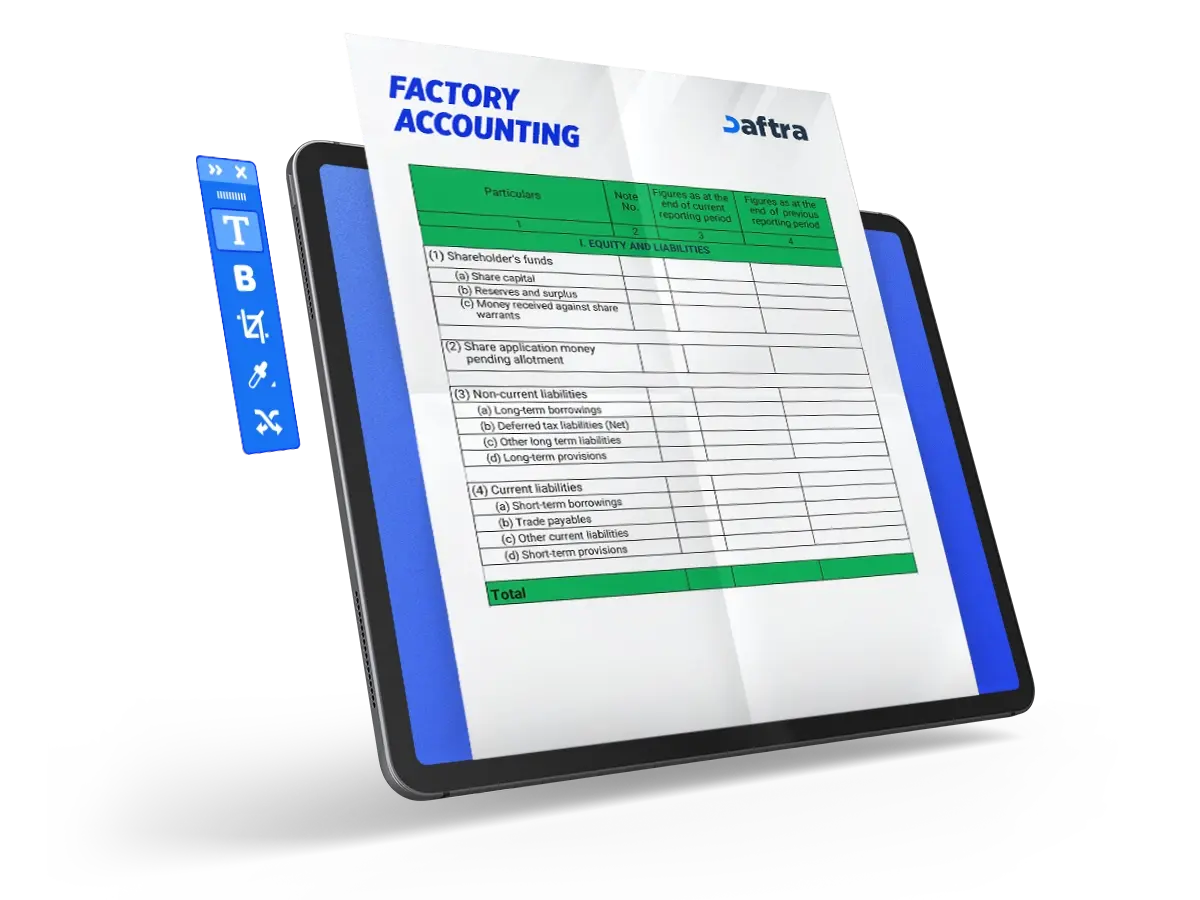
 Manage Your Garment Factory Operations with Ease
How to Manage Factory Accounts?
You can manage a garment factory’s accounts by following these steps:
1- Recording purchases
Record all raw materials and supplies purchased, such as fabric, threads, buttons, zippers, linings, and packaging materials.
List each item with its quantity, unit price, and total purchase value.
This helps you determine the total production cost.
2- Recording sales
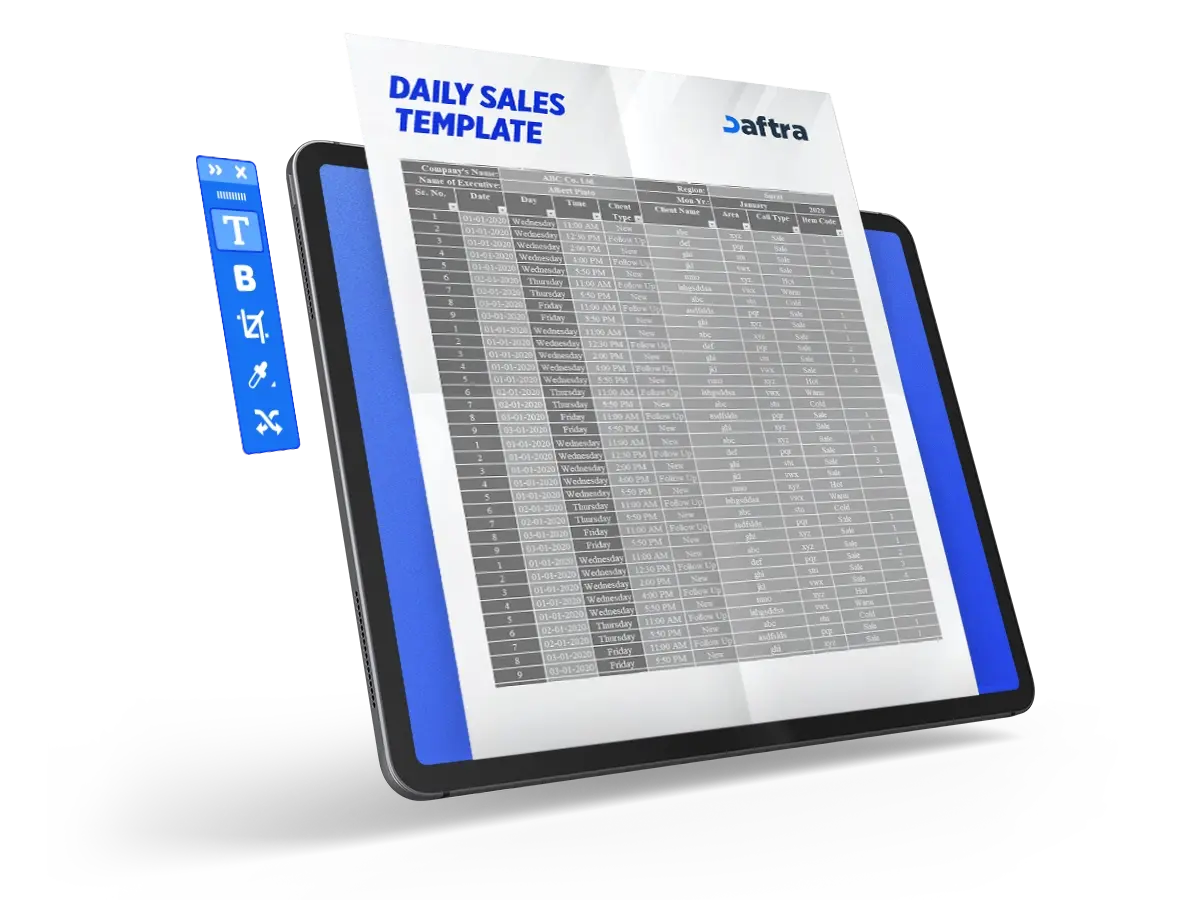
All finished garments sold should be recorded under the sales section, such as T-shirts, shirts, trousers, dresses, jackets, and other products.
Include the quantity sold, the selling price of each product, and total sales.
3- Monitoring inventory
Record the remaining quantity of raw materials after production.
Track the inventory of finished products ready for sale.
This helps identify what is available and what needs to be reproduced.
4- Calculating profits and losses
Calculate the profit for each product or product group using the following formula:
Profit = Total Sales − (Material Costs + Other Expenses)
Losses should also be recorded in cases such as damaged products, production waste, or inventory discrepancies.
5- Analysis and decision-making
Use the spreadsheet to compare actual costs with planned costs.
Identify the most profitable and least profitable products.
Decide whether you need to increase production, reduce expenses, or improve pricing.
Related Template:
What Is the Method for Calculating Production Costs in a Factory?
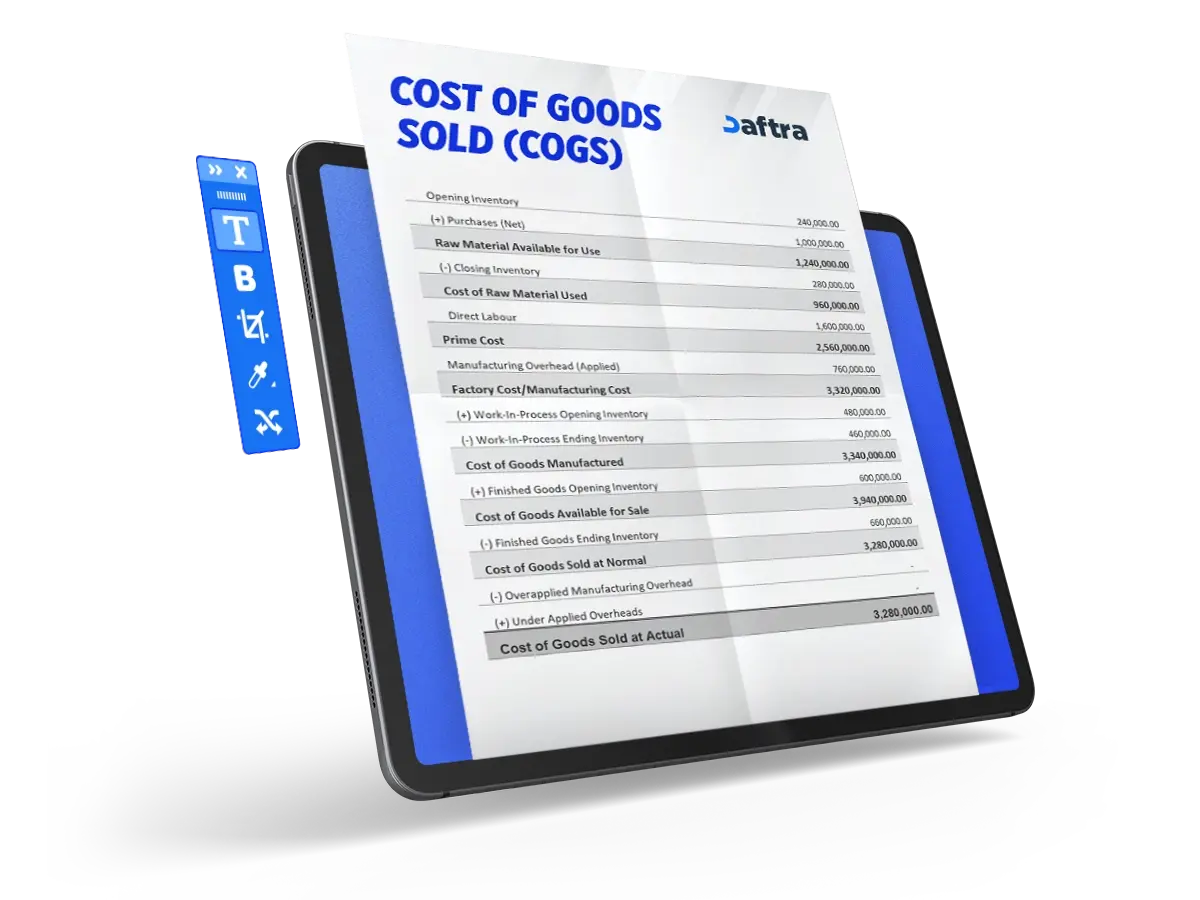
Calculating production costs includes both direct and indirect costs:
1- Direct costs: These are costs directly linked to producing the product, such as:
Raw materials (such as plastic and metals in car manufacturing)
Wages of workers directly involved in production
2- Indirect costs: These are costs that cannot be directly linked to each unit of product and include factory overhead expenses such as rent, electricity, water, and maintenance.
3- Calculating the total cost of the product:
This is done by adding together:
Total direct material cost + Total labor cost + Indirect costs
4- Determining the cost per unit:
To determine the cost of each unit, divide the total production cost by the number of units manufactured during the period.
What Is the Formula for Calculating Total Factory Cost?
The formula for calculating the total factory cost is based on adding all cost components
related to production, including direct materials, direct labor, and indirect costs:
Total Factory Cost = Direct Materials + Direct Labor + Indirect Costs
How to Manage the Accounts of a Garment Factory?
Managing the accounts of a garment factory is done by linking production and financial operations within one integrated system, through the following steps:
1- Managing purchases and raw materials:
All purchases such as fabrics and threads are recorded, suppliers are monitored, purchase invoices are issued, and payments are tracked to ensure cost accuracy.
2- Monitoring production and manufacturing costs:
Manufacturing orders are created and linked to bills of materials, while direct costs (materials and wages) and indirect costs are allocated to each production stage, helping calculate the cost of each product accurately.
3- Inventory management:
The movement of raw materials and finished products is monitored continuously, quantities are updated automatically, and regular stock counts are conducted to avoid shortages or overstocking.
4- Sales and customer management:
Sales transactions are recorded, invoices are issued, customer data is organized, and payments are tracked to improve cash flow.
5- Accounting system and account management:
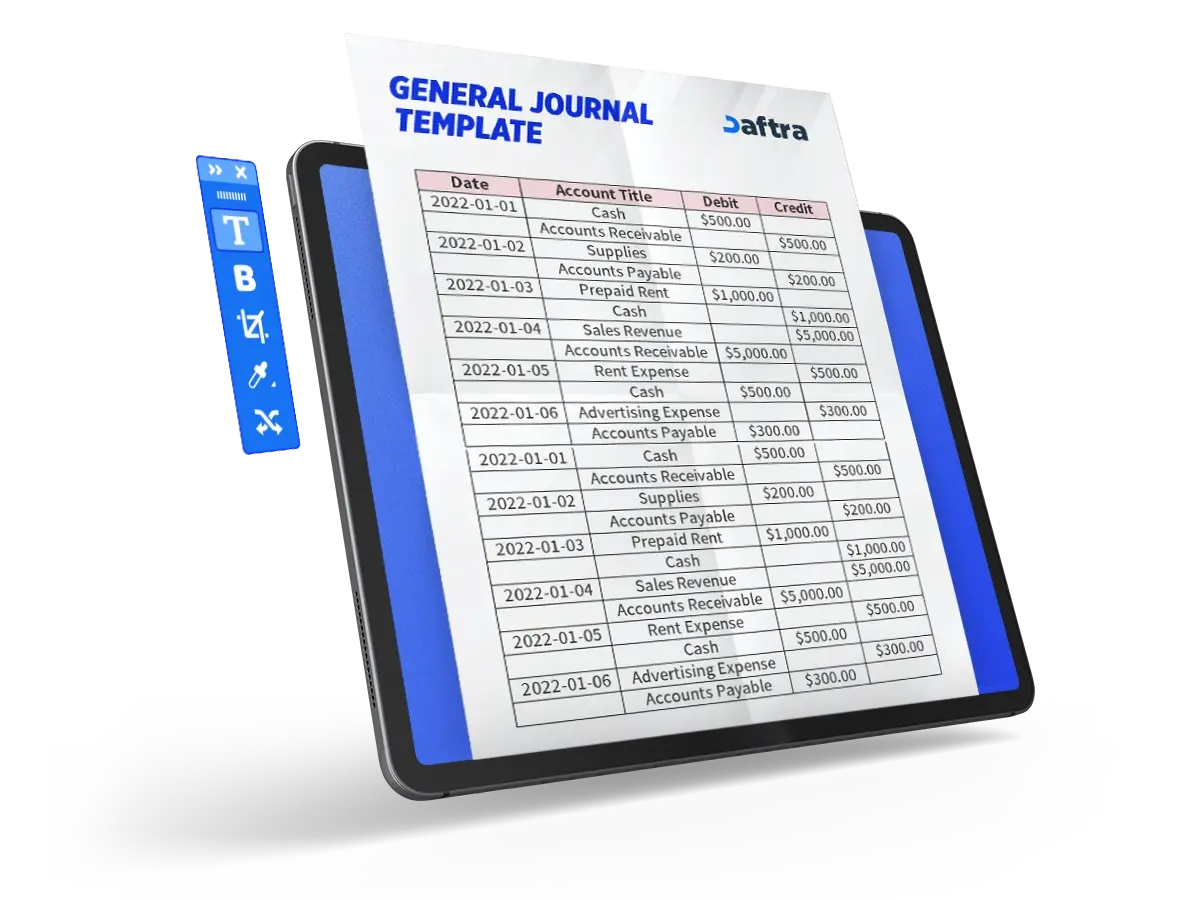
Daily journal entries are recorded, the chart of accounts and cost centers are managed, and revenues and expenses are tracked accurately to ensure financial transparency.
6- Reporting and performance analysis:
Real-time financial and administrative reports are generated covering sales, costs, profit, and loss, helping support decision-making based on accurate data.
Managing garment factory accounts depends on integrating purchases, production, inventory, sales, and accounting within one system, with continuous monitoring of costs and reports to ensure efficiency and increase profitability. Daftra provides all these tools with ease, helping you manage your factory efficiently and achieve success.
What Is an ERP System for Factories?
An ERP system for factories (Enterprise Resource Planning) is an integrated system that connects all factory departments within one platform, such as production, inventory, purchasing, sales, and accounting.
This system helps in:
Consolidating data into one system instead of having it scattered across multiple files or systems
Monitoring the full production cycle from raw materials to the finished product
Controlling costs, inventory, and operations in real time
Improving decision-making based on accurate reports
What Is the Best Accounting Software for Factories?
The best accounting software for factories is one that does not only manage accounts, but also provides an integrated system that connects manufacturing, inventory, sales, and human resources within one platform.
Daftra is considered one of the leading solutions in this area, as it provides an integrated system for managing factory accounts efficiently through a range of advanced features, including:
1- Manufacturing operations management
- Creating manufacturing and production orders easily
- Adding composite products that include multiple components
- Tracking production stages and linking them to costs
2- Raw material and inventory tracking
- Monitoring raw material consumption during manufacturing
- Identifying available quantities and storage locations
- Managing inventory movement from purchase to sale
3- Automatic cost calculation
- Calculating production costs automatically
- Analyzing profit and loss for each product accurately
- Supporting better pricing decisions
4- Integration of accounting with manufacturing
- Full linkage between accounting and production operations
- Recording entries and costs automatically
- Issuing accurate and instant financial reports
5- Workforce and HR management
- Organizing work shifts and attendance
- Calculating salaries and wages automatically
- Monitoring each employee’s productivity
6- Advanced reports and analytics
- Comprehensive reports on production and costs
- Analysis of financial and operational performance
- Accurate tracking of outputs and processes
7- Additional features
- A flexible system that can be customized according to factory needs
- Full integration across all system departments (Manufacturing – Inventory – Sales – Accounting)
- A 14-day free trial
- Ongoing technical support and a comprehensive learning guide









 Invoicing
 POS
POS Offers
 Installments
 Sales Commission
 KSA E-Invoice Software
 EGY E-Invoice Software
 JO E-Invoice Software
 E-Invoice Software
 Chart of Accounts
 Asset Management
 Cost Centers
 Expenses
 Cheque Cycle
 UAE VAT-Tax
 Product Management
 Purchases
 Purchase Cycle
 Suppliers
 Requisitions
 Stocktaking
 Organizational Structure
 Personnel Management
 Attendance and Leave
 Contracts
 Payroll
 Requests
 Work Orders
 Booking Management
 Rental and Unit Management
 Time Tracking
 Work Flow
 Lease Contracts
 Manufacturing Management
  Client Follow-Up
 Loyalty Points
 Points and Credits
 Memberships
 Insurance Management
 Daftra ERP Full App
 Point of Sales App
 Point of Sales for Desktop – Support Offline Mode
 AI Expenses Scanner App
 Employee Attendance, Sign & ESS App
 E-invoice Reader App
 Inventory Stocktaking App