



Table of contents:
- What Is a Designated Zone in UAE?
- Difference Between Free Zone and Designated Zone in UAE
- Official List of Designated Free Zones in UAE (2025)
- VAT Treatment for Designated Free Zones
- Corporate Tax Treatment of Designated Free Zones
- Who Should Operate in a Designated Free Zone?
- Common Misconceptions About Designated Free Zones
- Final Checklist – Before Choosing a Designated Free Zone
- FAQs
When people ask what is free zone in UAE, they usually receive an answer that suggests that all free zones are the same. But in reality, this is not right; free zones differ from one another, and each has its own characteristics.
Designated free zones are a specific type of free zone in the UAE that receive special tax treatment under the UAE VAT Law; they're considered as if they are outside the UAE’s territory for VAT purposes, but only under certain conditions set by the Federal Tax Authority and formal Cabinet decisions. Unlike typical free zones where standard VAT in UAE rules applies.
So, in a nutshell:
- Designated free zones in UAE are different from other free zones because they have customs advantages.
- Some supplies of goods within these zones may not be subject to VAT in the UAE, while standard VAT still applies to services.
- This makes them very attractive for businesses that import and export goods; it encourages global commerce.
What Is a Designated Zone in UAE?
A designated zone is a particular area in the UAE that the FTA treats as being outside the country for VAT purposes on goods. Only free zones that are listed in the list of designated free zones in UAE are given these advantages.
- Free zones become designated zones if they meet rules set out by the Federal Tax Authority for special VAT treatment.
- Designated zones in UAE provide advantages for international trade by reducing VAT on certain goods.
- On the other hand, services supplied within a designated zone will be taxed under the standards of VAT in the UAE.
Difference Between Free Zone and Designated Zone in UAE
Some people may still be asking what a free zone in the UAE is and feel confused about the different types. And also, they want a clear explanation of the designated free zones in the UAE for VAT and how they differ from other free zones.
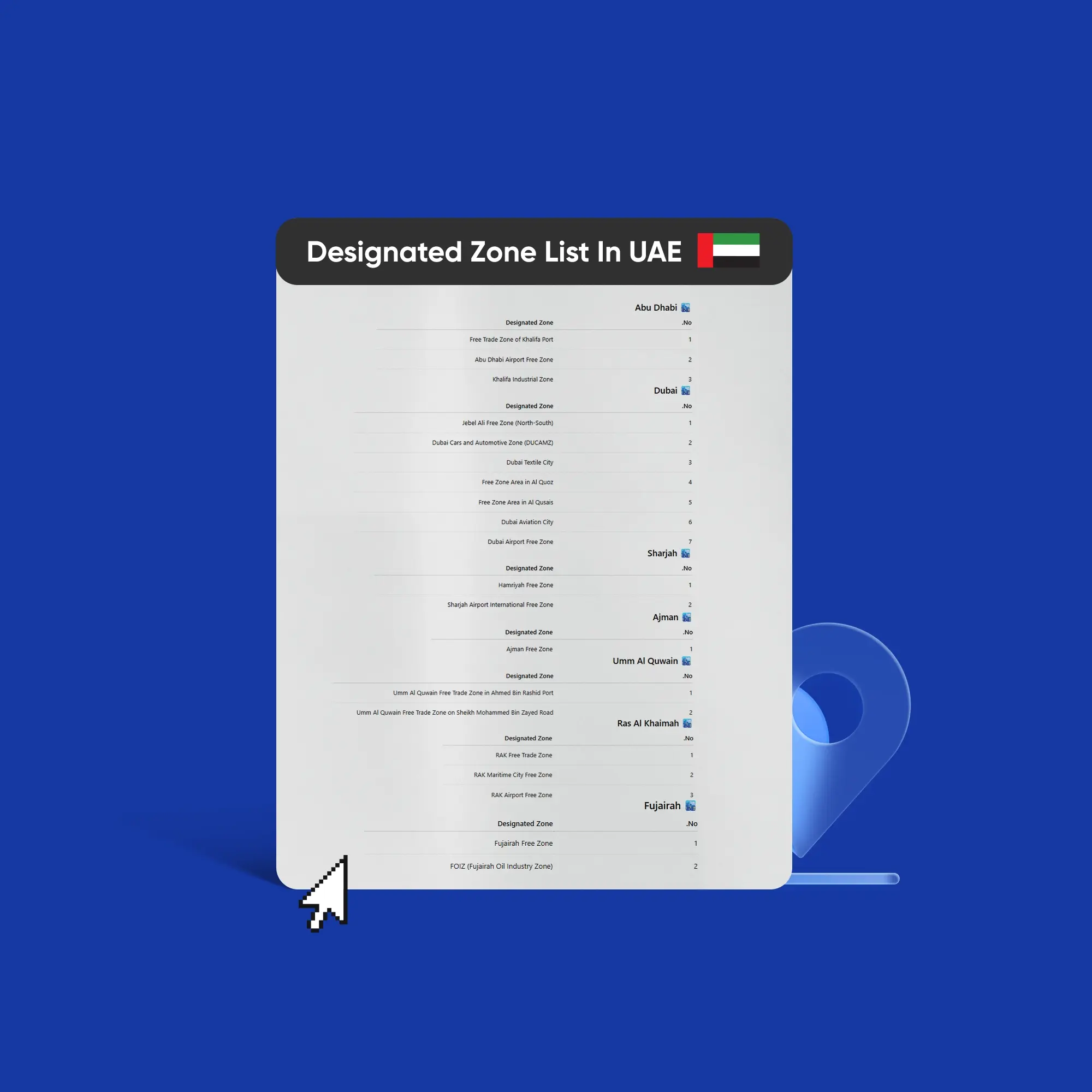
Official List of Designated Free Zones in UAE (2025)
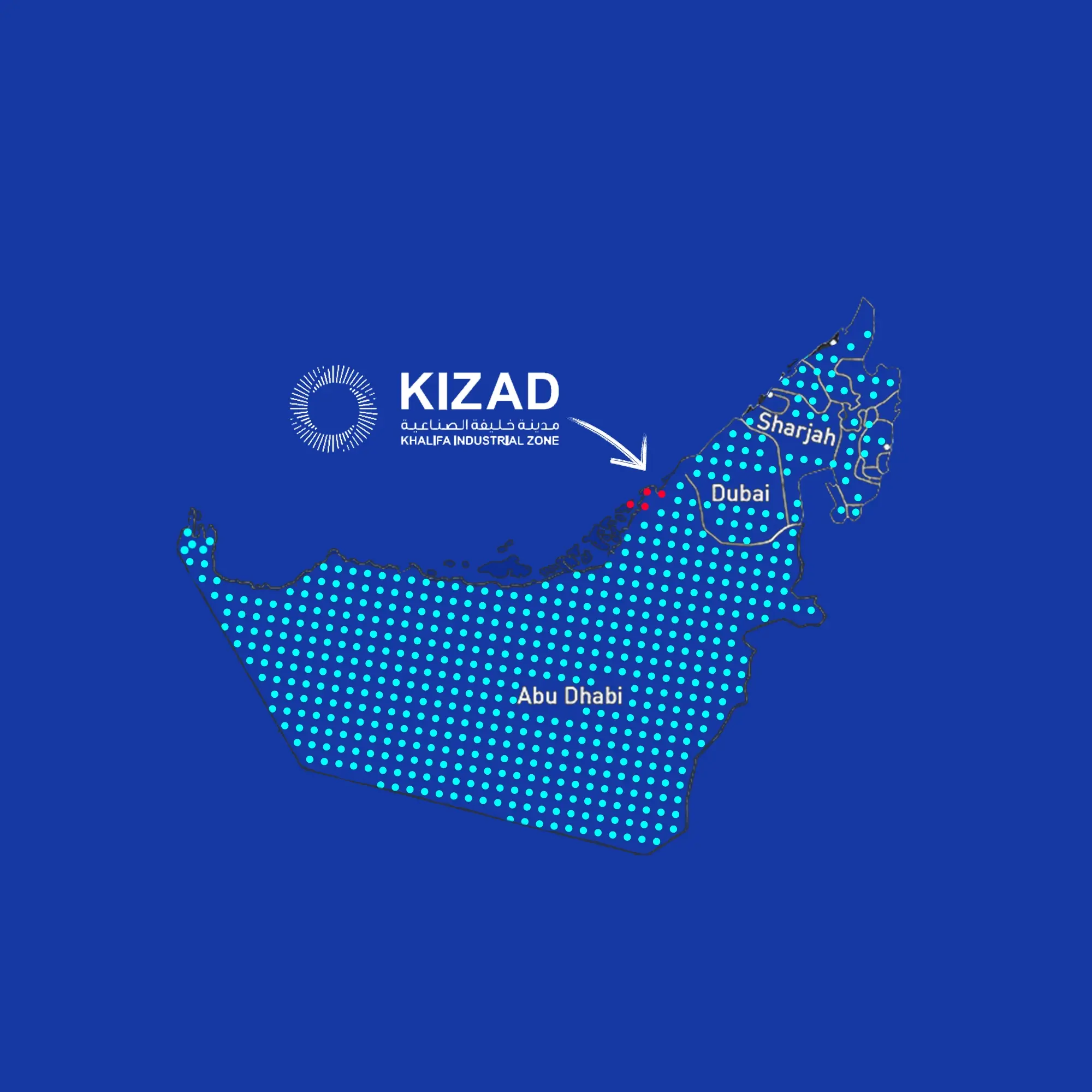
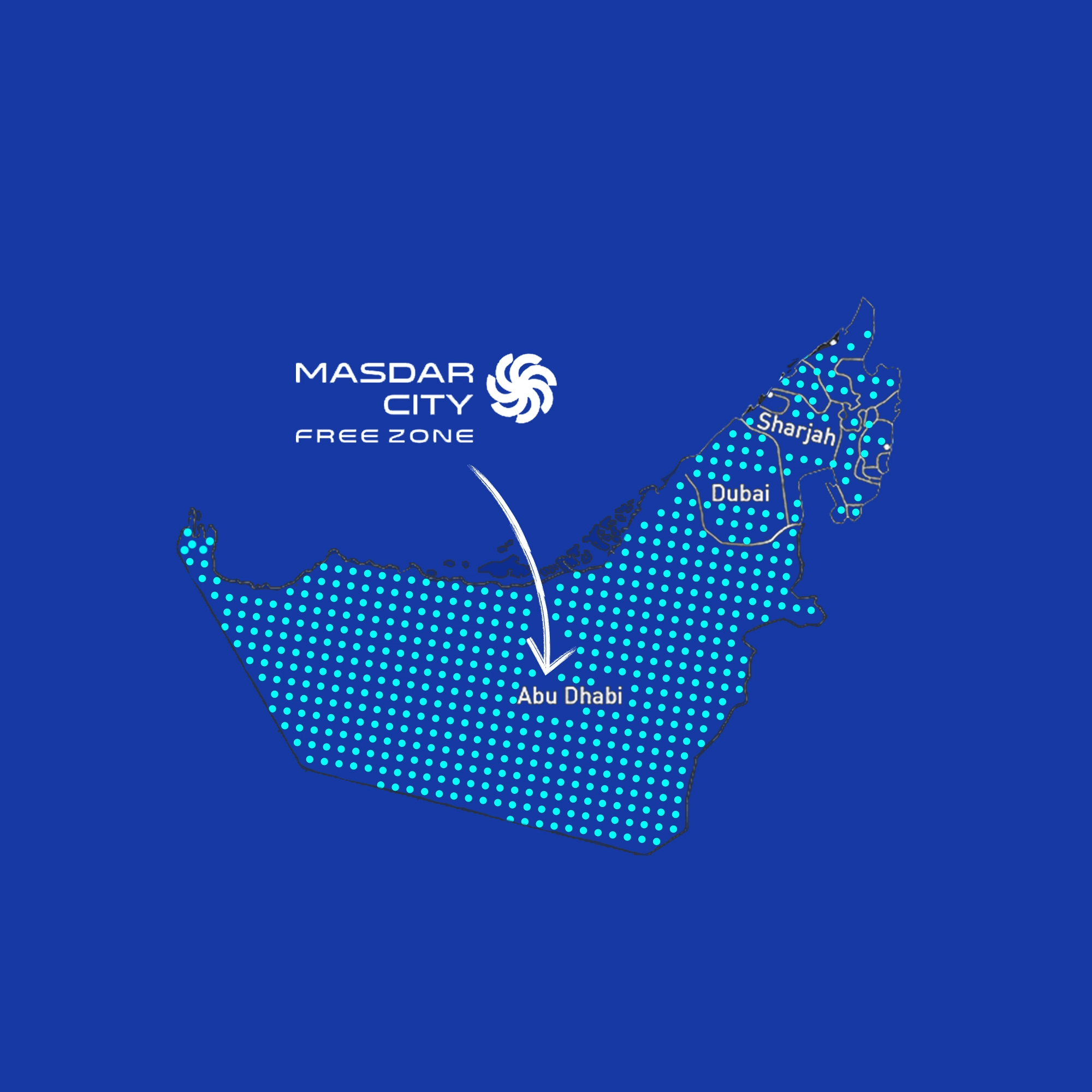
This list of designated free zones in UAE provided is based on the Federal Tax Authority's Cabinet Decision on Designated Zones.
read also: Company Formation in Abu Dhabi Free Zones
VAT Treatment for Designated Free Zones
Designated free zones in UAE have special VAT treatment for goods only, not for services. Because they are treated as outside the UAE for certain goods transactions when they meet strict rules set by the FTA.
VAT registration is still required for businesses that make more than AED 375,000.
Trading goods inside the same designated zone isn’t subjected to VAT, because they stay under FTA customs supervision.
Even if a business is located in a designated zone, all services in the designated zones are subject to 5% VAT.
Goods imported directly from abroad are subject to VAT as long as they remain in the designated zone in the UAE or they are transferred to another designated zone.
Exported goods from a designated zone to customers outside the UAE are 0% for VAT, as long as they have valid export documentation.
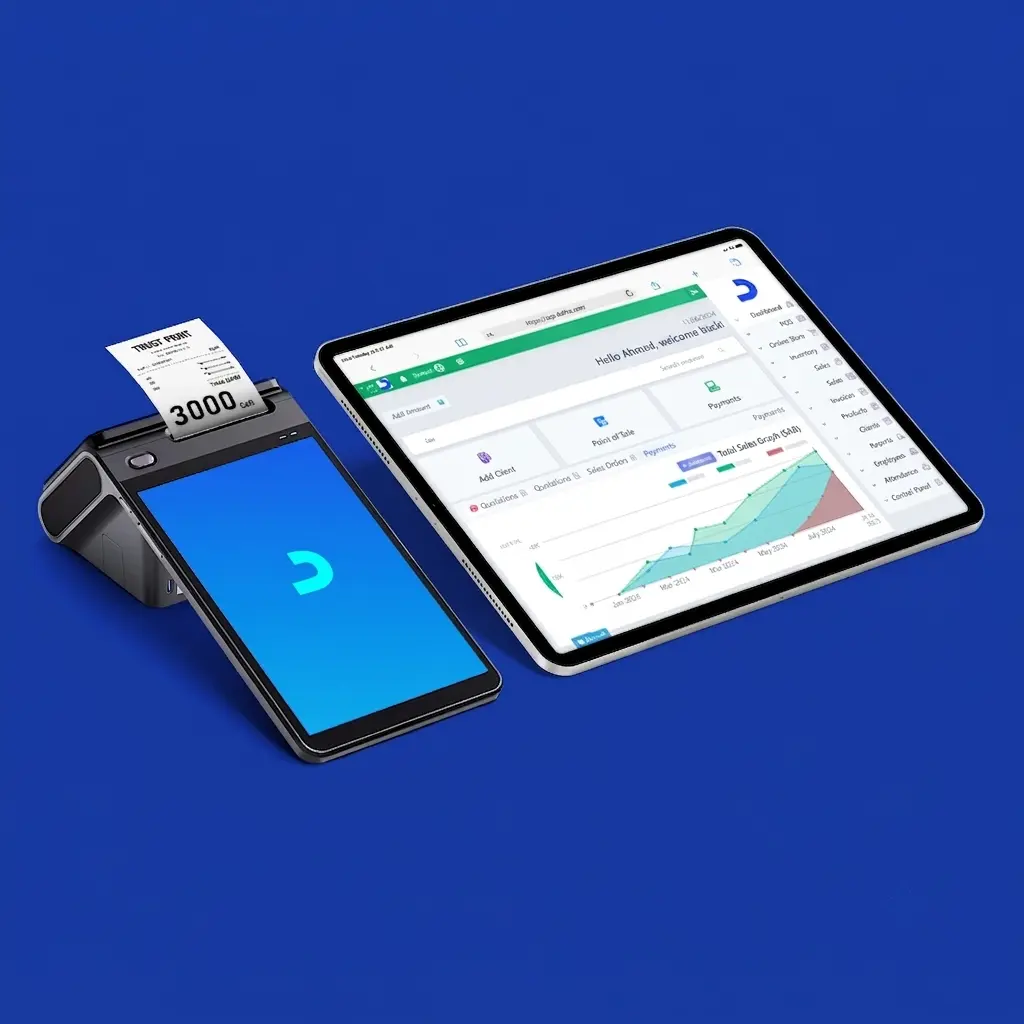
Because of all these factors, VAT reporting is crucial when operating in designated zones. Instead of asking about how to calculate VAT in UAE and VAT Filing in UAE, businesses can use UAE accounting software like Daftra to track stock movements and maintain the right documents for accurate records and FTA audits.
Corporate Tax Treatment of Designated Free Zones
It’s important to understand that designated free zones are a VAT concept, and there is a difference between Corporate Tax and VAT in UAE.
Designated zones also have a Corporate Tax Rate of 9% on taxable profits exceeding AED 375,000, as do all free zones. And to get 0% corporate tax your company must be a Qualifying Free Zone Person (QFZP). Which means:
- VAT rules and corporate tax rules are separate.
- Designated VAT zones don't get automatic 0% corporate tax.
- QFZP needs real office/staff in the zone, earns income that is mainly from outside the UAE mainland, and has clean audits.
Who Should Operate in a Designated Free Zone?
Import/export businesses: Bring goods into a designated zone, store them under customs control, or export goods from zone‑to‑zone.
Logistics companies: Handles shipping and movement of goods between ports/airports and designated zones, where transfers can be out of VAT.
International trading businesses: Companies that buy goods and hold them in the zone to resell and ship them abroad.
Manufacturing companies: Companies that bring raw materials into the designated zone and manufacture it there and then sell or export those finished goods.
read also: Free Zone Business Setup Dubai
Common Misconceptions About Designated Free Zones
There are many misconceptions about designated zones that people believe are true, especially about VAT in the UAE. Therefore, we will clarify it to you.
Final Checklist – Before Choosing a Designated Free Zone
After knowing What Is Free Zone in UAE, you can use this checklist to avoid picking the wrong zone. So you have to ensure that your business model actually benefits from designated zones in UAE.
Business activity: Make sure your business activity is suitable for operating in a designated zone and aligns with its rules.
VAT implications: The designated zone affects VAT on goods not services, you have to know that because it affects the VAT Filing in UAE.
Confirm corporate tax implications: Check whether your business can qualify as a Qualifying Free Zone Person. Because being in a designated zone only doesn't guarantee 0% corporate tax.
Logistics needs: If your business depends on imports or exports ensure the designated zone supports your supply chain.
Confirm compliance readiness: To track transactions designated zone businesses need compliance systems. If you're not prepared to use it all these advantages could become risks. Tools like Daftra assist in organizing VAT reporting and record keeping.
FAQs
What is a designated zone in UAE VAT?
A designated zone is a specific free zone area treated as outside the UAE for VAT purposes, which means that certain supplies of goods within or between designated zones can be outside the scope of VAT, while services and some other transactions remain taxable.
Are all free zones considered designated zones?
No, Not all free zones are designated zones. Only free zones officially listed by the UAE Cabinet and Federal Tax Authority are treated as designated zones for VAT purposes. But a normal free zone is still subject to VAT rules.
Do designated free zones pay VAT in UAE?
It depends on the transaction itself, goods movements within or between designated zones are not subjected to VAT. But If goods are supplied to the mainland UAE VAT will normally apply. Services supplied in designated zones are treated like other free zones in the UAE and are usually subject to the standard 5% VAT.
What is the difference between designated zone and free zone?
A free zone is a business jurisdiction with ownership and customs benefits. A designated zone is a free zone that gets special VAT treatment for goods. Then, every designated zone is a free zone, but not every free zone is a designated zone.
Are designated zones exempt from corporate tax?
No, only the designated zone is exempt from VAT. Corporate tax depends on whether the company is a Qualifying Free Zone Person and meets specific conditions. So, being in a designated zone doesn’t mean 0% corporate tax.
How do I know if a free zone is designated?
Only zones mentioned in these documents published by the Federal Tax Authority (FTA) or UAE Cabinet decisions are considered designated zones for VAT.
Can a company in a designated zone trade inside UAE mainland?
Yes, but VAT rules will be applied when goods enter the mainland. Goods supplied from a designated zone to the mainland are subject to 5% VAT.
Is DMCC a designated zone in UAE?
No, According to the UAE Corporate Tax Law, DMCC is a qualifying free zone but not a designated zone. In the DMCC, businesses are eligible for a 0% corporate tax rate on qualifying income if they meet QFZP regulations.










 Invoicing
 POS
POS Offers
 Installments
 Sales Commission
 KSA E-Invoice Software
 EGY E-Invoice Software
 JO E-Invoice Software
 E-Invoice Software
 Chart of Accounts
 Asset Management
 Cost Centers
 Expenses
 Cheque Cycle
 UAE VAT-Tax
 Product Management
 Purchases
 Purchase Cycle
 Suppliers
 Requisitions
 Stocktaking
 Organizational Structure
 Personnel Management
 Attendance and Leave
 Contracts
 Payroll
 Requests
 Work Orders
 Booking Management
 Rental and Unit Management
 Time Tracking
 Work Flow
 Lease Contracts
 Manufacturing Management
  Client Follow-Up
 Loyalty Points
 Points and Credits
 Memberships
 Insurance Management
 Daftra ERP Full App
 Point of Sales App
 Point of Sales for Desktop – Support Offline Mode
 AI Expenses Scanner App
 Employee Attendance, Sign & ESS App
 E-invoice Reader App
 Inventory Stocktaking App