




Table of contents:
- Overview of Free Zones in Abu Dhabi
- Types of Legal Entities in Abu Dhabi Free Zones
- Step-by-Step Process for Company Formation in Abu Dhabi Free Zones
- Cost of Company Formation in Abu Dhabi Free Zones
- Timeline for Free Zone Company Setup in Abu Dhabi
- Tax & Compliance Requirements for Abu Dhabi Free Zone Companies
- Free Zone vs Mainland Company Formation in Abu Dhabi
- Final Checklist – Before Starting Company Formation in Abu Dhabi Free Zones
- FAQs
Free zone company formation in Abu Dhabi means creating a legal business entity in Abu Dhabi so you can operate legally and enjoy different benefits that the free zone offers compared to the mainland company formation in Abu Dhabi.
To help you set up a company, we’ll discover what is free zone in the UAE particularly in Abu Dhabi free zones, so you can gain benefits such as:
- 100% foreign ownership without needing a local sponsor.
- Fast and simple setup with online applications and clear requirements.
- Abu Dhabi free zones allow qualifying companies to benefit from 0% corporate tax if they meet FTA conditions.
- Each Abu Dhabi free zone focuses on specific industries to support businesses in the same sector.
Overview of Free Zones in Abu Dhabi
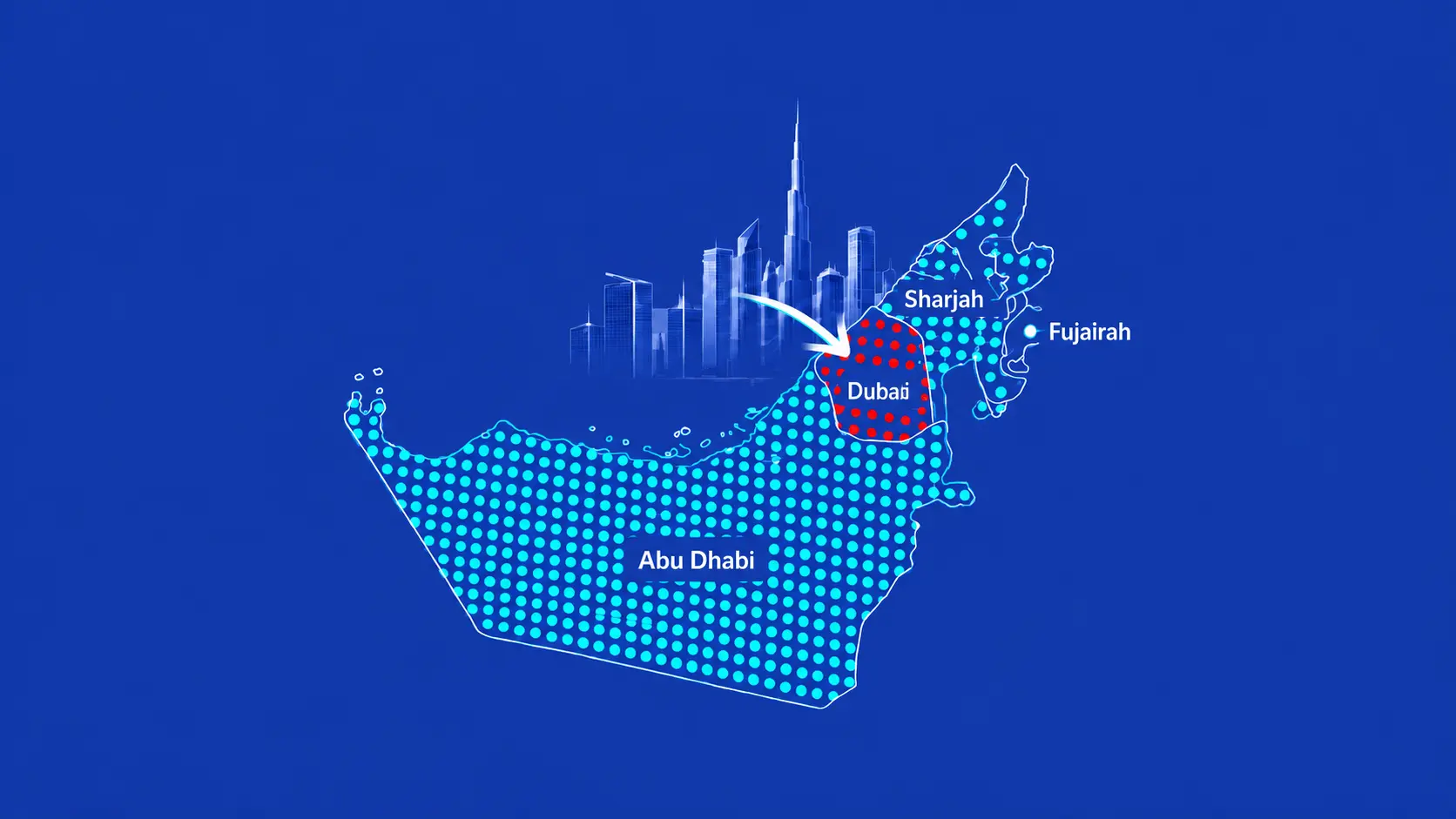
Before starting the company formation in Abu Dhabi process, you have to choose a free zone that matches your business activity. You will find all Abu Dhabi free zones so you can select the right free zone for your business.
Read Also: Designated Free Zones in UAE
Types of Legal Entities in Abu Dhabi Free Zones
Before you proceed with freezone company formation in Abu Dhabi, you need to select the legal structure that suits your business activity, you’ll find here the main legal structures in Abu Dhabi:
Step-by-Step Process for Company Formation in Abu Dhabi Free Zones
Step 1: Choose the Right Free Zone
Company formation in Abu Dhabi UAE requires choosing a free zone that matches your business activity. Each free zone has its unique characteristics that affect how your business will operate.
For example:
- Businesses in finance and fintech often choose ADGM free zone.
- Companies working in sustainability and clean technology prefer masdar City Free Zone.
So before making a decision, it’s important to review the business activities allowed in each zone to make the rest of the setup process much easier.
Step 2: Select the Legal Structure
Once you select a free zone, next you will choose the legal structure of your company. The legal form defines how your business will operate and how ownership is structured.
Here is the common legal structures in Abu Dhabi free zones include:
- Free Zone Establishment (FZE), the company ownership is controlled by a single shareholder
- Free Zone Company (FZC LLC), which allows the company to have multiple shareholders.
- Branch of a foreign or UAE company, if the business is expanding in Abu Dhabi.
In this step, your choice will depend on other factors such as the number of shareholders and the type of business activity. All of these factors define how your business will operate and how ownership is structured.
Your choice here will depend on other factors such as the number of shareholders and the type of business activity. All of these factors define how your business will operate and how ownership is structured.
Step 3: Choose your trade name
Choose a trade name for your company and submit it to the free zone authority for approval. The trade name must follow UAE naming rules and can’t include any restricted words. Most Abu Dhabi free zones allow you to reserve the name online, and once it’s approved you can continue in completing the company formation process.
Key trade name regulations to keep in mind:
- The name must not violate public morals or the UAE cultural values.
- it can’t include offensive or religious words.
- It must be unique and not similar to other companies in the UAE.
- Trade names must include a suffix that indicates its legal form such as FZE, LLC, or DMCC.
Step 4: Submit your application and documents
Once your trade name is approved, you can proceed with submitting the company registration application to the free zone authority.
You can usually fill the application online and submit the required documents, here is the common documents between free zones:
- Passport copies of all shareholders
- Emirates ID (if applicable)
- Trade name reservation confirmation
- CVs and professional qualifications
- A brief business plan for certain activities
After reviewing the application, the free zone authority will issue the initial approval that confirms that there are no objections to your business activity.
Step 5: Office Space Setup
Abu Dhabi free zones require you to have a physical or virtual presence in the UAE. The size and type of office space you select can affect the number of visas your company can obtain so choose it based on your business needs, there is you can choose from different office options such as:
- Flexi‑desks: a shared desk in a co‑working space, its suitable startups who want the lowest cost.
- Shared offices: small desks in a common area, suitable for small teams.
- Private offices: it’s a space for your team that offers more privacy and a stable environment.
- Warehouses: it fits businesses who focus on trading or logistics because it provides a production space.
Step 6: Pay Registration Fees
Once you receive all approvals and office space confirmation, you will be required to pay the registration and licence fees. These fees typically depend on:
- Your business activity such as consultancy, trading, etc.
- Your legal form such as FZE, FZ LLC, or branch.
- Your office pace package
The free zone authority will provide you with a clear fee and payment instructions before they issue the licence.
Step 7: License issuance
After all documents are confirmed by the free zone authority, your business license will be issued which will be the legal proof that your company is allowed to operate in the Abu Dhabi free zone.
Common documents you will receive:
- Trade licence that confirms that you are authorised to operate in the free zone.
- Company formation certificate
- Memorandum of association (MoA) and articles of association (AoA)
- Office space agreement
These documents will be required when you apply for residence visas and open a corporate bank account.
Step 8: Visa Processing
Once you get the licence you must obtain the appropriate visa linked to your company licence. Free zone licence packages include a certain number of visas which makes it easier to hire employees. Once your visa is approved, the company will be allowed to legally operate in Abu Dhabi. The process usually involves:
- Applying for entry permits followed by residence visas.
- Completing medical tests and Emirates ID registration.
- Using the free zone portal to track the application status.
Step 9: Open a Corporate Bank Account
Once your licence is ready, you can open a corporate bank account for your business, which will help you to receive money from clients and handle expenses to keep your business finances clear and aligned with the UAE banking rules.
Banks usually requires:
- Company licence and MoA and AoA.
- Passports and Emirates ID of shareholders
- Proof of office space
- Some banks ask for a minimum initial deposit or a brief business plan.
Cost of Company Formation in Abu Dhabi Free Zones
The cost of company formation in Abu Dhabi depends on several factors, which together determine the overall investment required to set up the business.
For a detailed cost breakdown of company formation in other UAE free zones, such as free zones in Dubai, you can also read: How much does it cost to set up a company in Dubai?
Read Also: Business Setup in Dubai Free Zone
Timeline for Free Zone Company Setup in Abu Dhabi
1. Trade Name Reservation ( 1-2 days)
You will choose the business activity and legal structure and reserve a trade name with the free zone authority.
What may delay it:
- If the trade name isn’t approved by the free zone authority.
- Incomplete documents are a reason for delay. For example, Masdar City Free Zone usually takes 1-2 days, but timelines may extend if further details are requested.
Initial approval and document review (2-5 days)
The free zone authority checks your legal structure, business activity, and the required documents before moving to licence issuance.
What may delay it:
- If they need additional clarifications or a business plan, for example ADGM usually requests a business plan as one of the standard documents.
Licence issuance (3-7 days)
After you get the approval and pay fees, the authority will issue your trade licence and the company can legally operate.
What may delay it:
- High‑risk activities may require extra approvals from authorities, which may delay the review.
Visa processing (1-2 weeks)
Once the licence is ready, you can apply for investor and employee visas, the timeline varies depending on the completeness of all documents required.
What may delay it:
- Visa timelines vary depending on the visa quota and completeness of employers documents.
Opening a corporate bank account (1-3 weeks)
You need to open a corporate bank account to manage company funds and pay expenses. It’s an important step for the company to operate financially.
What may delay it:
- If there are missing documents or the bank requires more verification.
Tax & Compliance Requirements for Abu Dhabi Free Zone Companies
Corporate tax registration: All Abu Dhabi free zone companies have 9% corporate tax if their income is above AED 375,000. But they can have 0% on qualifying income if they meet the QZFP rules.
VAT registration: Although VAT and corporate tax registration apply after exceeding AED 375,000, there is still a clear difference between corporate tax and VAT.
VAT in UAE is applied when the taxable supplies exceed AED 375,000 and at this moment the company has 5% VAT. and because of that you need to follow the VAT Filing in UAE process to file your returns.
Financial reporting: Companies have to maintain proper accounting records and prepare financial statements continuously, because it’s required for license renewal and tax reporting.
Record retention: Companies must keep business and tax records such as invoices, contracts, and payroll documents. Because these records must be available if it’s requested by the tax authority.
Audit reports: Some Abu Dhabi free zones require audited financial statements annually. The requirements vary by free zone authority and business activity, and if you didn't submit the report it may affect license renewal.
Free Zone vs Mainland Company Formation in Abu Dhabi
Read Also: Offshore Company Formation in The UAE
Final Checklist – Before Starting Company Formation in Abu Dhabi Free Zones
Before you begin company formation in an Abu Dhabi free zone, you have to review key points to ensure that everything is aligned with your business goals.
Define your business activity: Determine clearly what are the main activities that your business will do and check if this activity is allowed in your chosen free zone.
Choose the right free zone: select a free zone that fits your business activity and operations, you can read what is free zone in UAE to identify what suits your business.
Review your costs: Determine all setup requirements that your business needs to start operating, because estimating the setup budget will help you to stay financially stable from day one.
Tax and VAT impact: Understand how corporate tax and VAT in UAE will affect your business and what actions are required to stay compliant.
Plan your operations: Know all requirements that you need before starting the company formation process, such as the office lease and the visa quota you need so you can operate efficiently.
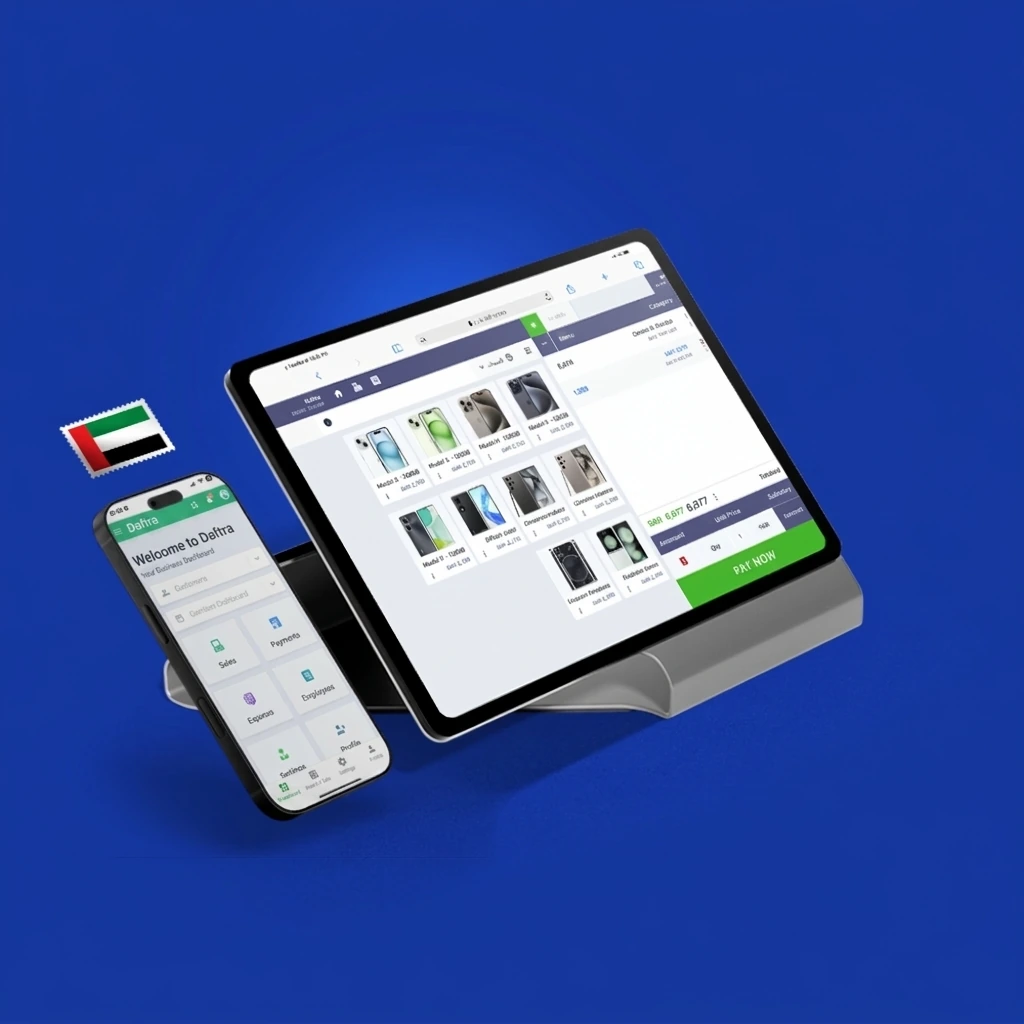
To make the company formation in Abu Dhabi easier from the start, you can use an accounting and VAT-tracking system like Daftra to help you keep your finances organized for any financial reporting requirements.
FAQs
How much does it cost to form a company in Abu Dhabi free zone?
The cost varies depending on the selected free zone and the legal structure. There are also other factors that affect the cost, such as the office space and number of visas required.
Can a free zone company operate in mainland Abu Dhabi?
Yes, free zones don’t need to start a mainland company formation in Abu Dhabi process, because they can operate using a local distributor or additional approval.
What is the difference between LLC and free zone company in Abu Dhabi?
A free zone company can operate internationally or within that zone. On the other hand, the LLC company follows mainland regulations, allowing it to trade directly in the local UAE market.
How long does company formation take in Abu Dhabi free zones?
The timeline can vary depending on the free zone and the type of business activity. It usually takes 3 to 10 working days, but some sectors may take longer.
Do Abu Dhabi free zone companies pay corporate tax?
Yes, Abu Dhabi free zone companies are subject to a 9% UAE corporate tax if their turnover is above AED 375,000, only if they are recognized as QFZP can they pay 0% on qualifying income.
Is office space mandatory in Abu Dhabi free zones?
Yes, most Abu Dhabi free zones require leasing an office space to issue the license. There are various office options such as flexi-desks or shared offices, which can suit different businesses needs.










 Invoicing
 POS
POS Offers
 Installments
 Sales Commission
 KSA E-Invoice Software
 EGY E-Invoice Software
 JO E-Invoice Software
 E-Invoice Software
 Chart of Accounts
 Asset Management
 Cost Centers
 Expenses
 Cheque Cycle
 UAE VAT-Tax
 Product Management
 Purchases
 Purchase Cycle
 Suppliers
 Requisitions
 Stocktaking
 Organizational Structure
 Personnel Management
 Attendance and Leave
 Contracts
 Payroll
 Requests
 Work Orders
 Booking Management
 Rental and Unit Management
 Time Tracking
 Work Flow
 Lease Contracts
 Manufacturing Management
  Client Follow-Up
 Loyalty Points
 Points and Credits
 Memberships
 Insurance Management
 Daftra ERP Full App
 Point of Sales App
 Point of Sales for Desktop – Support Offline Mode
 AI Expenses Scanner App
 Employee Attendance, Sign & ESS App
 E-invoice Reader App
 Inventory Stocktaking App