


Posted on 5 November 2026
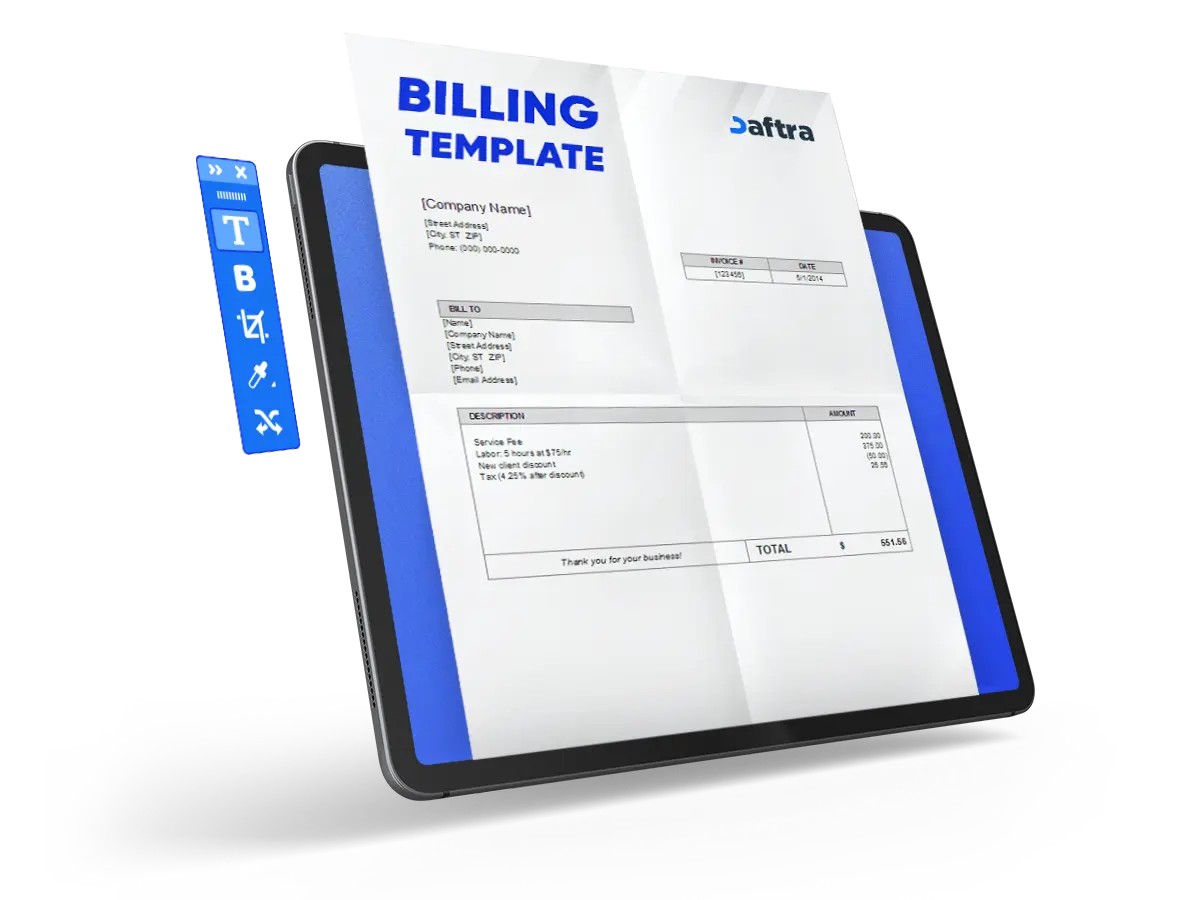
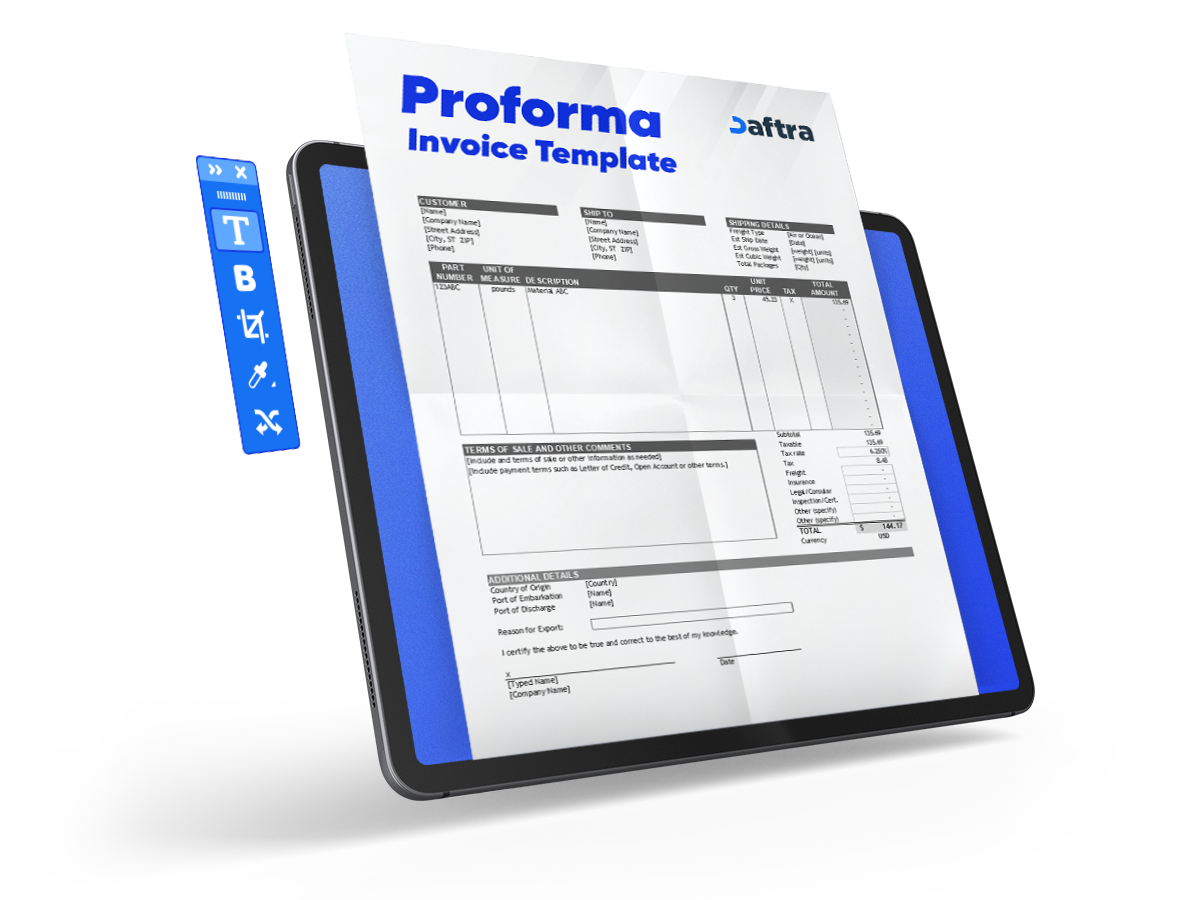
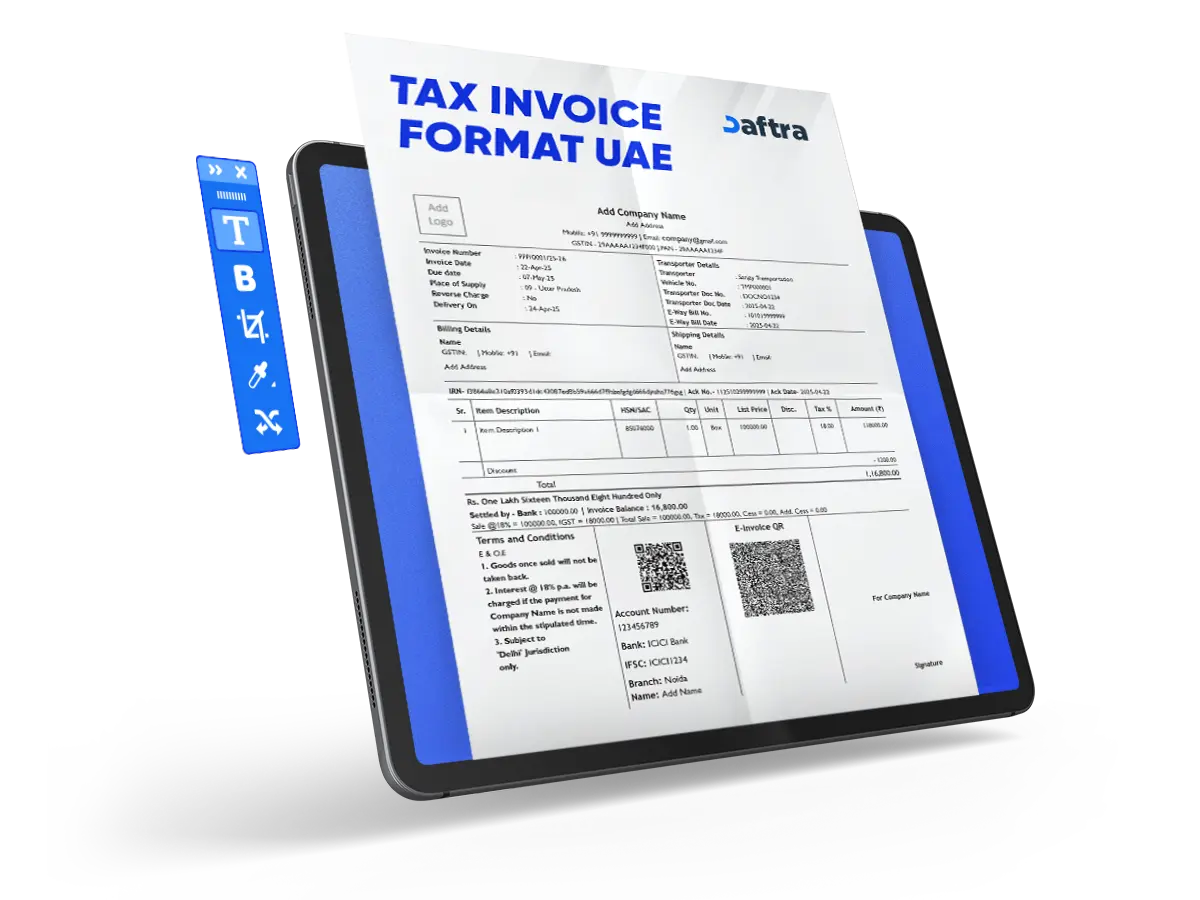
Invoice Statement Template
- The invoice statement documents business transactions and the amounts received from customers in exchange for products or services.
- The template can be used to present invoice details to customers, helping them understand outstanding amounts and the payments they are required to make.
- It can also record customer debts and receivables, making it useful for managing the company’s accounts receivable and accounts payable.


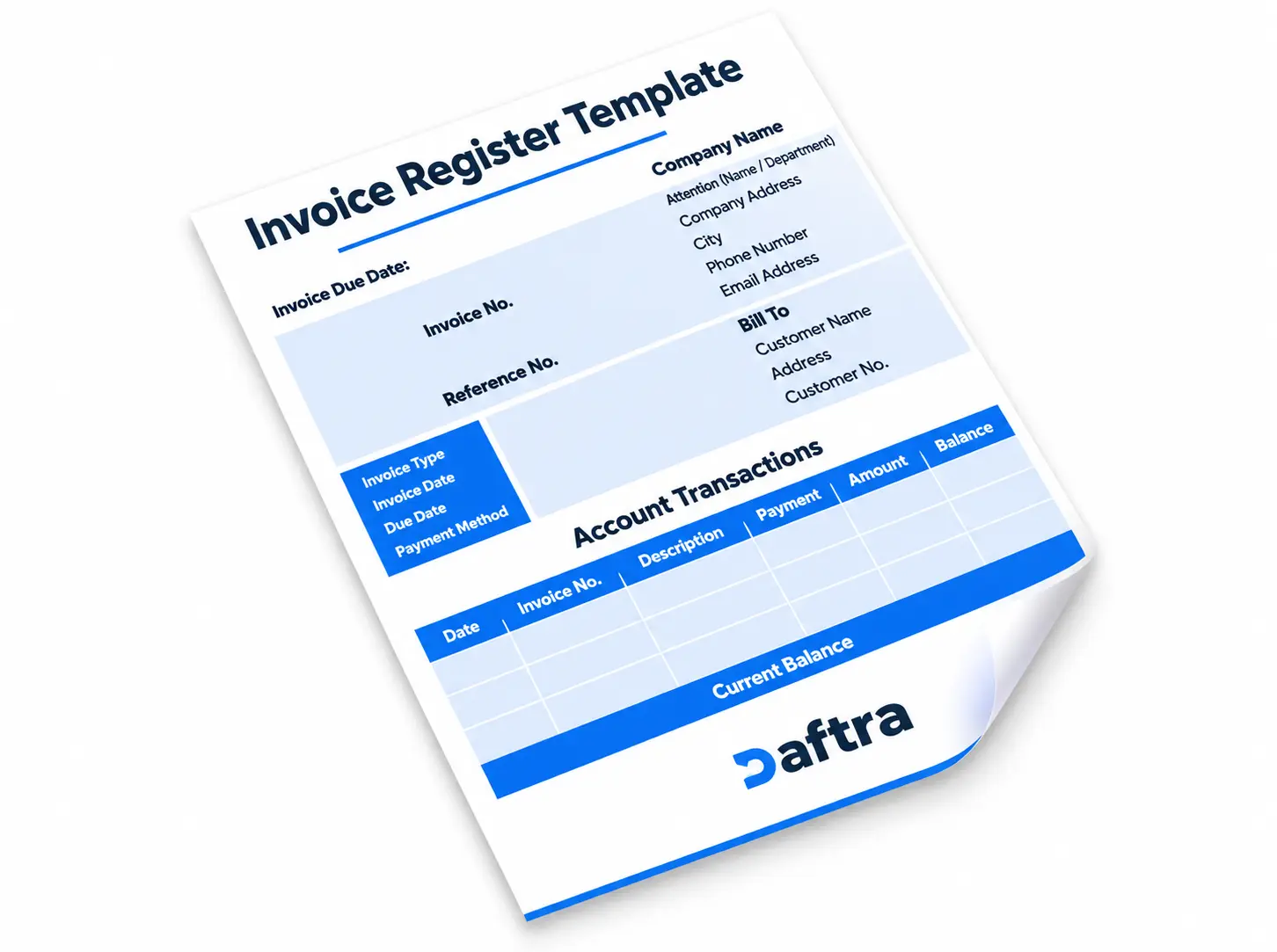
 Automate Your Invoicing with Daftra
What Is an Invoice Statement Template?
An invoice statement template is a business document that records commercial transactions between a seller and a buyer. It presents details of the goods or services provided, including quantities, prices, amounts due, and any specified payment terms.
An invoice statement template typically includes the following information:
- 1. Invoice date.
- 2. Invoice identifier.
- 3. Seller and buyer details, including names and addresses.
- 4. A detailed description of the goods or services provided.
- 5. Quantities sold and the price of each item.
- 6. The subtotal for each item and the total invoice amount.
- 7. Payment terms, such as the due date and payment method.
- 8. Any special terms or notes.
The invoice statement template is an essential tool in commercial sales and purchasing processes. It helps document transactions accurately, simplifies payment tracking, and supports effective financial account management.
What Are the Components of an Invoice Statement Template?
An invoice statement template contains several components that help document and detail business transactions between the seller and the buyer. These components include:
1- Invoice Date
The date on which the invoice was issued.
2- Invoice Number
A unique identifier used to distinguish the invoice from other invoices.
3- Seller and Buyer Information
Complete seller and buyer information, such as names, addresses, and contact details.
4- Description of Goods or Services
A detailed description of the goods or services provided, including quantities and prices.
5- Quantities and Prices
A breakdown of the quantities sold and the agreed price for each invoice item.
6- Subtotal
The total amount for each item before adding taxes or applying discounts.
7- Total Amount
The total amount due for all items listed on the invoice.
8- Payment Terms
The due date and the payment method agreed upon by both parties.
9- Additional Notes or Terms
Any additional notes or terms related to the invoice or the business transaction.
Together, these components make the invoice statement template a comprehensive document that records the financial and commercial details of transactions between the parties involved.
How to Use an Invoice Statement Template
Using an invoice statement template involves several steps to ensure accurate documentation and proper execution of business transactions. The main steps are as follows:
1- Create the Invoice
Prepare the invoice statement template and include all required information, such as the invoice date, invoice number, and seller and buyer details.
2- Detail the Goods or Services
List the goods or services provided, including the quantity and price of each item.
3- Calculate Subtotals and the Total Amount
Calculate the subtotal for each invoice item, then calculate the total invoice amount.
4- Specify Payment Terms
Specify the payment terms, including the due date and agreed payment method.
5- Send the Invoice
Send the invoice to the customer using the appropriate method, such as email, postal mail, or hand delivery.
6- Track Payments
Monitor outstanding payments and update the invoice records based on the payments received.
7- Maintain Accurate Records
Keep accurate records of all invoices and payments received for accounting and future audit purposes.
By following these steps, you can use the invoice statement template effectively to manage business operations and document financial transactions between the seller and the buyer.
You May Also Download
Why Is an Invoice Statement Template Important?
An invoice statement template is an important tool in sales, purchasing, and business management for several reasons:
1- Clarifying Goods and Services
The template provides an accurate description of the goods or services supplied, helping prevent confusion or disputes concerning orders or services.
2- Managing Accounts Receivable and Accounts Payable
The template helps manage accounts receivable and accounts payable by making it easier to track amounts due and payments received.
3- Facilitating Payment
The invoice statement gives customers clear information about amounts due and payment terms, helping them make informed payment decisions.
4- Compliance with Financial and Legal Requirements
Businesses must comply with specific requirements for documenting financial transactions, and the template helps support compliance.
5- Financial Performance Analysis
Invoice statement data can be used to analyze sales performance, estimate future revenue, and identify business trends.
Overall, the invoice statement template is an essential tool for managing business operations and facilitating communication between the parties involved. It helps keep workflows smooth, accurate, and transparent.
Who Benefits from an Invoice Statement Template?
Several groups benefit from using an invoice statement template, including:
1- Sellers and Suppliers
Sellers and suppliers use the statement to document business transactions with customers and specify the amounts due and payment terms.
2- Customers and Buyers
Customers and buyers use the template to receive information about the goods or services purchased and understand the amounts due and payment terms.
3- Company and Business Management
Company managers and business administrators use the invoice statement template to monitor and analyze business operations, track revenue and expenses, and make strategic financial decisions.
4- Accountants and Financial Controllers
Accountants and financial controllers use the statement to manage accounts receivable and accounts payable, analyze financial data, and ensure compliance with financial and legal requirements.
5- Tax and Government Authorities
Tax and government authorities use invoice statements to monitor and verify the tax and financial compliance of individuals and businesses.
Overall, all parties benefit from using the template to document commercial transactions and manage financial accounts effectively and transparently.
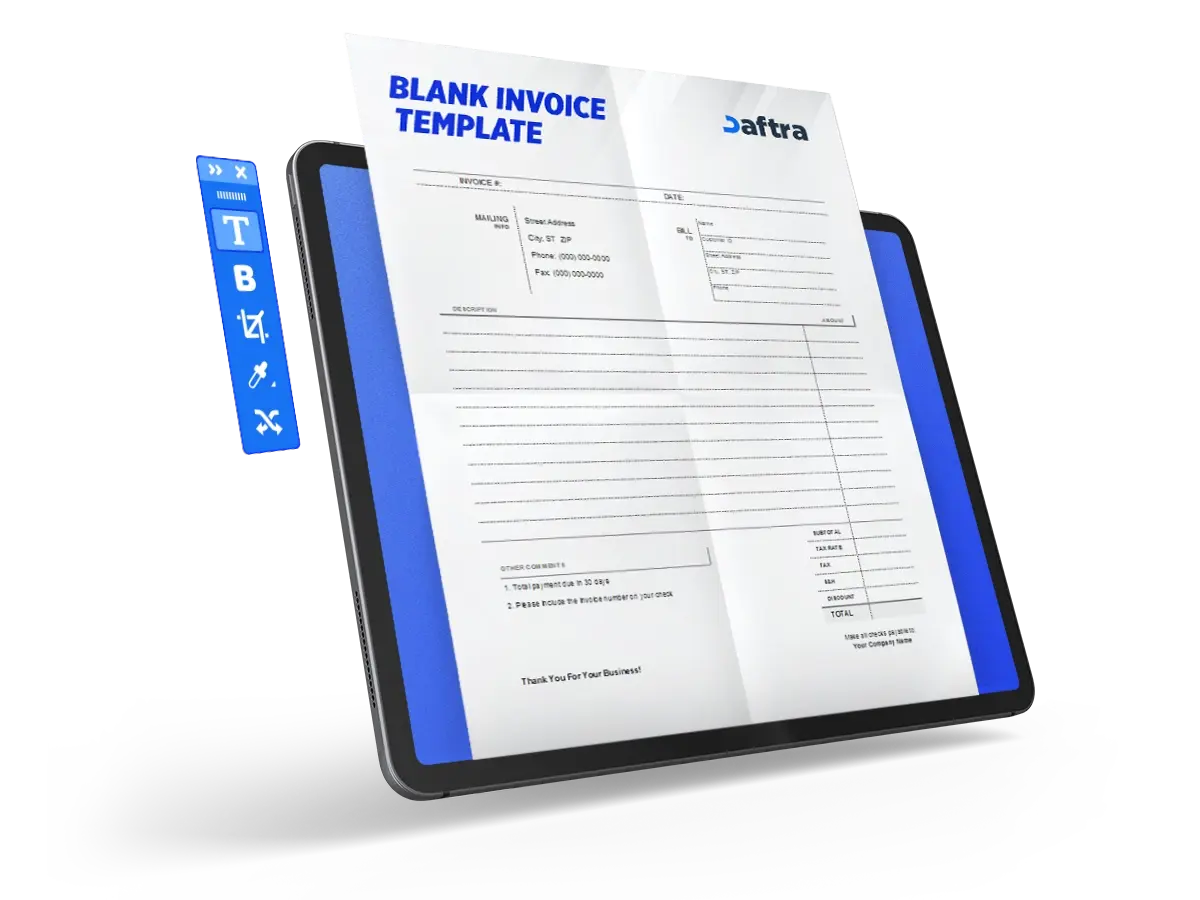
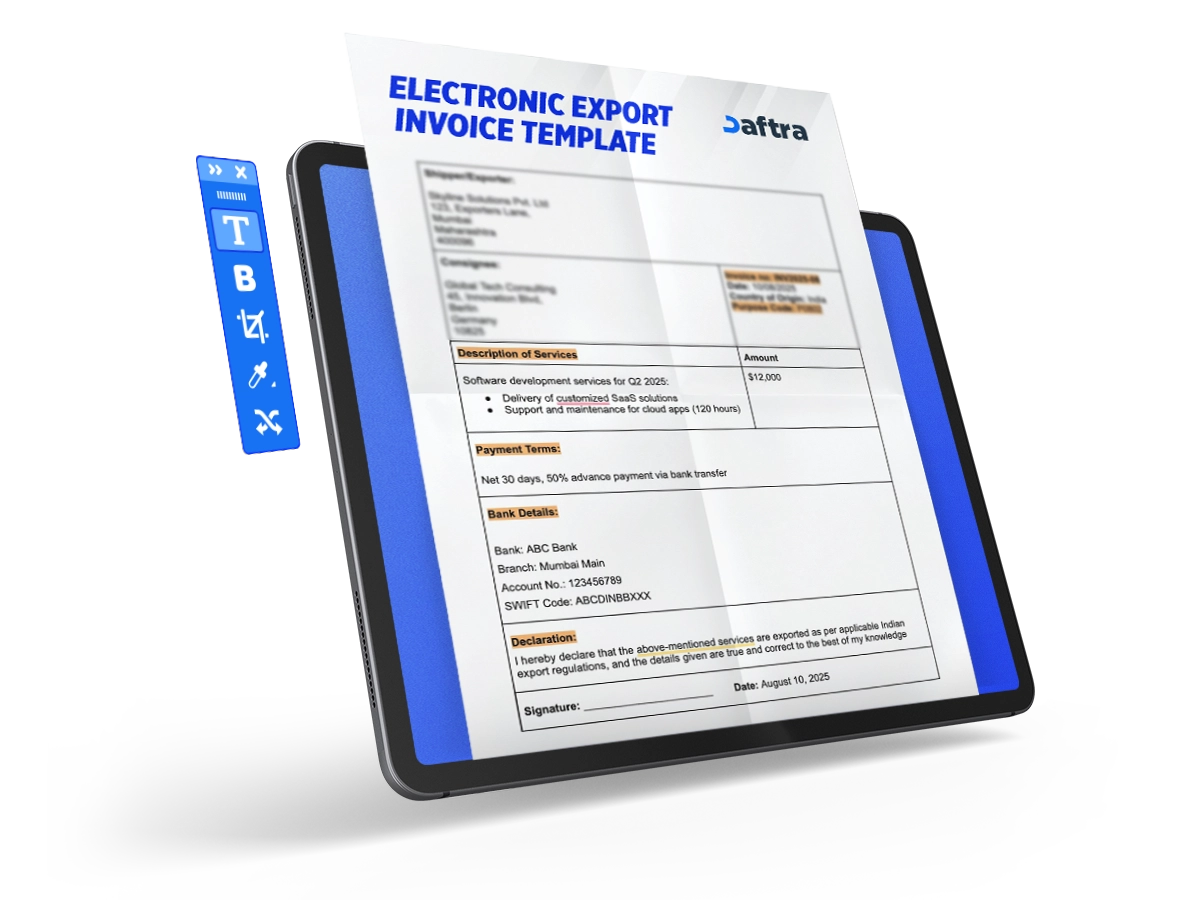
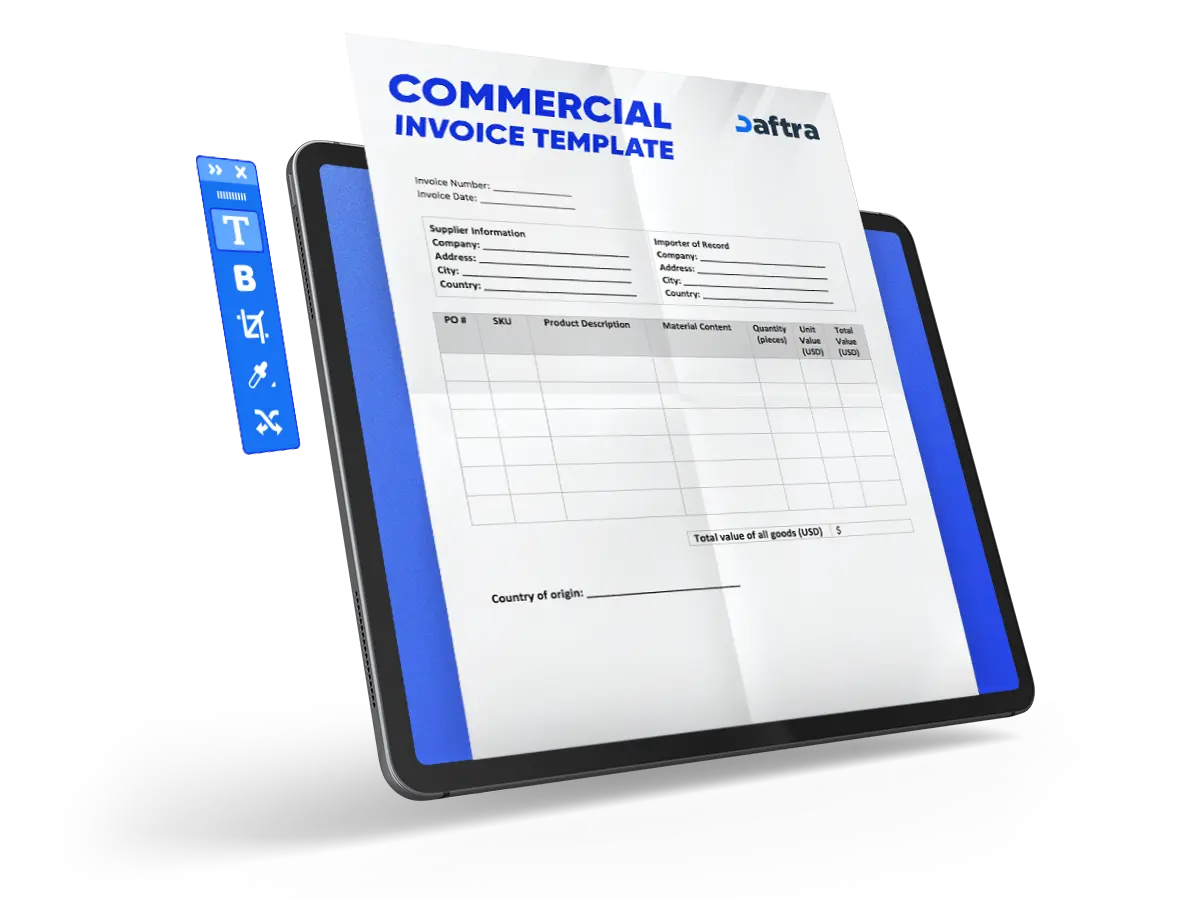





 Invoicing
 POS
 Offers
 Installments
 Sales Commission
 KSA E-Invoice Software
 EGY E-Invoice Software
 JO E-Invoice Software
 E-Invoice Software
 Chart of Accounts
 Asset Management
 Cost Centers
 Expenses
 Cheque Cycle
 UAE VAT-Tax
 Product Management
 Purchases
 Purchase Cycle
 Suppliers
 Requisitions
 Stocktaking
 Organizational Structure
 Personnel Management
 Attendance and Leave
 Contracts
 Payroll
 Requests
 Work Orders
 Booking Management
 Rental and Unit Management
 Time Tracking
 Work Flow
 Lease Contracts
 Manufacturing Management
 Client Follow-Up
 Loyalty Points
 Points and Credits
 Memberships
 Insurance Management
 Daftra ERP Full App
 Point of Sales App
 Point of Sales for Desktop – Support Offline Mode
 AI Expenses Scanner App
 Employee Attendance, Sign & ESS App
 E-invoice Reader App
 Inventory Stocktaking App