


Posted on 18 November 2026
Debit Note Template
- A Debit Note is an important commercial document that helps protect the rights of both parties, the seller and the buyer, and is as important as an invoice.
- There are several situations in which a Debit Note should be issued so that the company's accounts accurately reflect completed transactions and the accounting period can be closed correctly.
- Under Debit Notes, amounts are added as balances to receivable accounts through accounting entries recorded in accordance with the company's system.


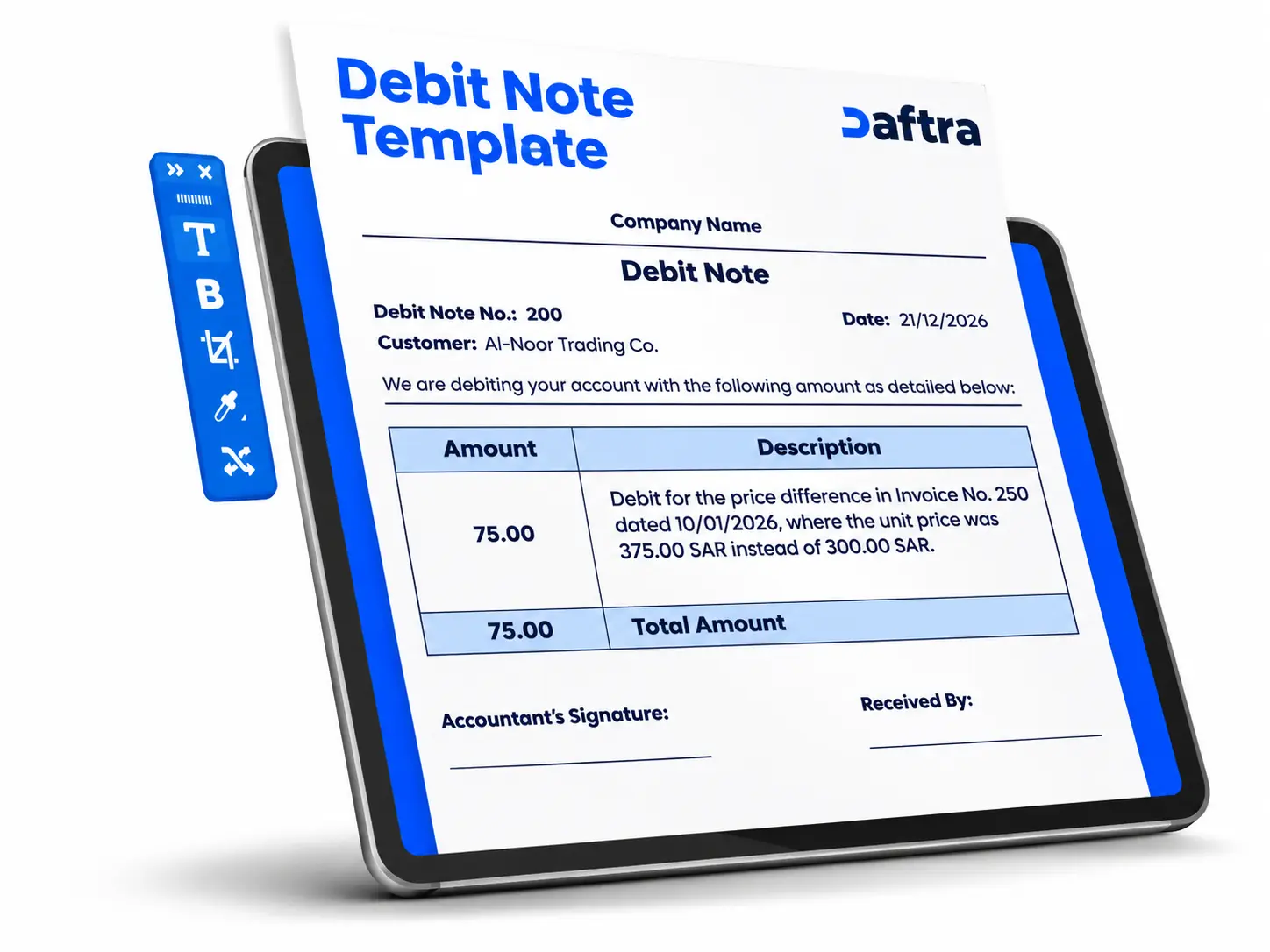
 Create and Manage Debit Notes with Daftra
What Is a Debit Note Template?
A Debit Note is a commercial document issued by one party to a transaction to another party to highlight a change or error, making the other party a debtor from the issuer's point of view. Once the second party receives the note, it becomes responsible for paying the remaining or additional amount if the issuer's claim is valid and supported by evidence. Examples of situations in which a company may use a Debit Note include:
- Your company purchased four tons of rice from an approved supplier. After inspection, but before processing, production, and packaging began, supervisors discovered that half a ton did not meet the agreed acceptance terms and specifications. If your company purchased each ton for $500, the supplier becomes liable for $250, which is the amount for which your company would issue a Debit Note.
- A customer purchased household items from your store for $500. After reviewing the invoice, you discover that 10% sales tax was not applied. In this case, you need to notify the customer that an additional $50 is due.
What Should a Debit Note Template Include?
The information included in a Debit Note is similar to that found in other commercial documents. It typically includes:
- Company Information: This section includes the company's name, address, email address, phone number, and postal code, if applicable.
- Related Transaction Information: To help the other party understand the matter addressed by the note, include all information that can support review and verification. It is preferable to reference the invoice containing the issue or error and include its date.
- Other Party Information: The note should include the details of the customer, supplier, or other party involved in the relevant transaction. The party may be an individual or a company. Record the debtor party's name, address, phone number, and email address.
- Recipient Information: If the other party is an individual, this will usually be the same information already provided. If the other party is a company, the person responsible for payment or delivery is generally the person who receives the note. The form therefore requires the recipient's name, phone number, email address, and job title.
- Product / Shipment Information Related to the Note: Include the serial number of the shipment or product involved in the transaction. Copy the relevant invoice description and then identify the point of disagreement, such as a portion of the shipment failing to meet standards or an incorrect price.
- Signatures: Issue the Debit Note in two copies, and have the responsible representative of the other party sign to acknowledge receipt.
How Do You Use a Debit Note Template?
By following the steps below, you can make effective use of the Debit Note Template:
1- Identify the Invoice Related to the Issue
Because company invoices may be recorded in Excel tables, reviewing a particular invoice can take time when there are many daily transactions. The error may also be discovered while preparing the trial balance. Once the invoice is identified, extract the product descriptions, quantities, and prices and add them to the Debit Note. Be sure to include the invoice number and issue date so the other party can review it easily.
2- State the Reason for Issuing the Note
Regardless of who receives the Debit Note, the recipient has the right to understand why the issuer considers an additional amount to be due. State the reason clearly in the comments section so the parties can communicate on a basis of trust and accuracy.
3- Complete the Parties' Information
Complete the details of both parties to the relevant commercial transaction: your company and the customer or supplier considered to be the debtor.
After completing the template, you can send it directly to the other party by mail. If the other party is a company rather than an individual, you can print the form, have a representative deliver one copy to the company, and retain another copy signed by the responsible person.
You May Also Download
Why Is a Debit Note Template Important?
A Debit Note is an important commercial document for several reasons:
Protecting the Rights of Both Parties
Issuing the document helps keep the parties' balances in the trial balance accurate and consistent. The accounting records show that the company is entitled to receive a specific amount from the relevant party. The note can also help suppliers identify returned quantities during the month.
Flexibility in Adjusting the Value of Products or Services
By issuing a Debit Note, your company can formally adjust the price of a product or service for which the customer has not paid the full amount and notify the customer of the adjustment so it is reflected in both parties' accounting records.
Maintaining the Flow of Business
When a supplier receives a Debit Note, the supplier may in turn send your company a Credit Note for the same amount. This indicates acceptance of the information in the Debit Note and helps maintain a productive business relationship.
Who Benefits from a Debit Note Template?
Any company, store, or organization that regularly provides services or products and purchases goods as part of its business model may need to use a Debit Note Template. Commercial transactions are generally conducted with either customers or suppliers.
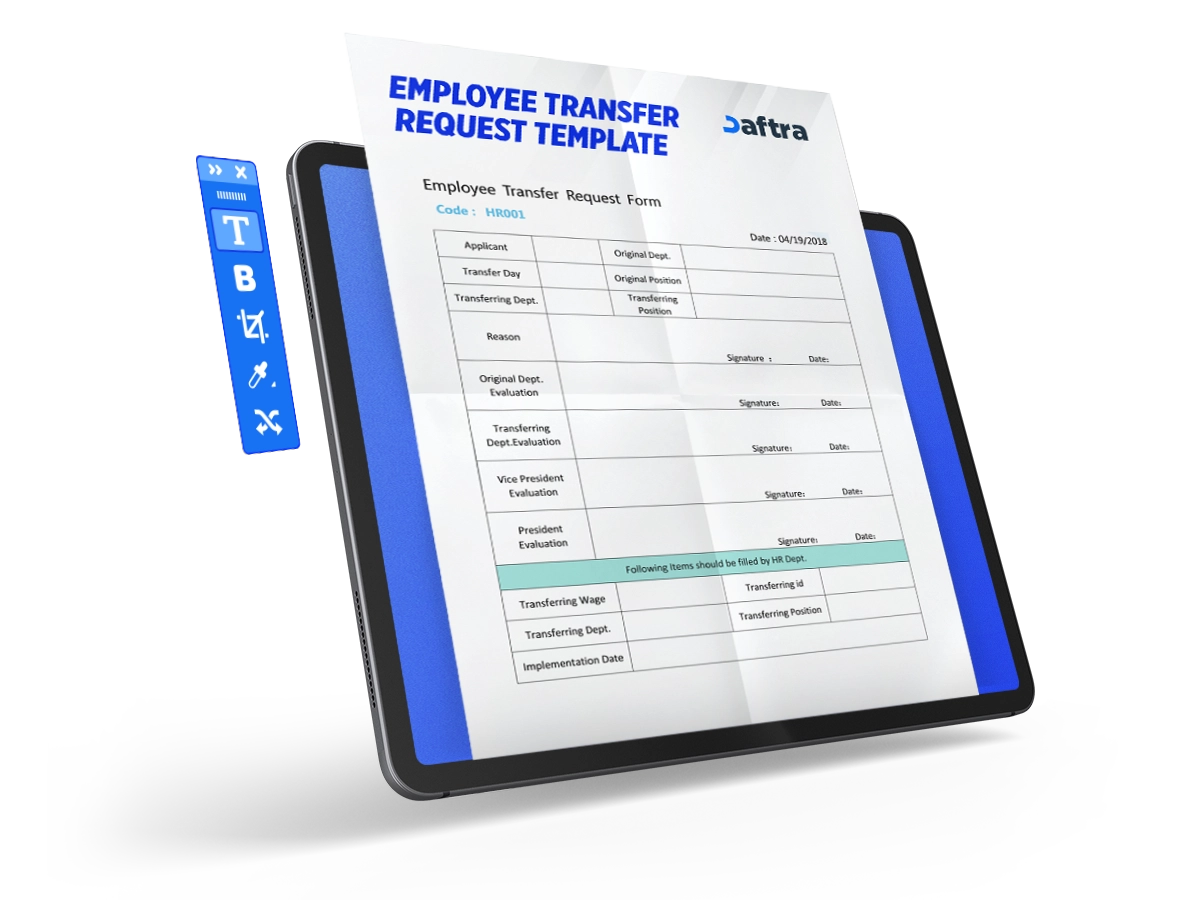
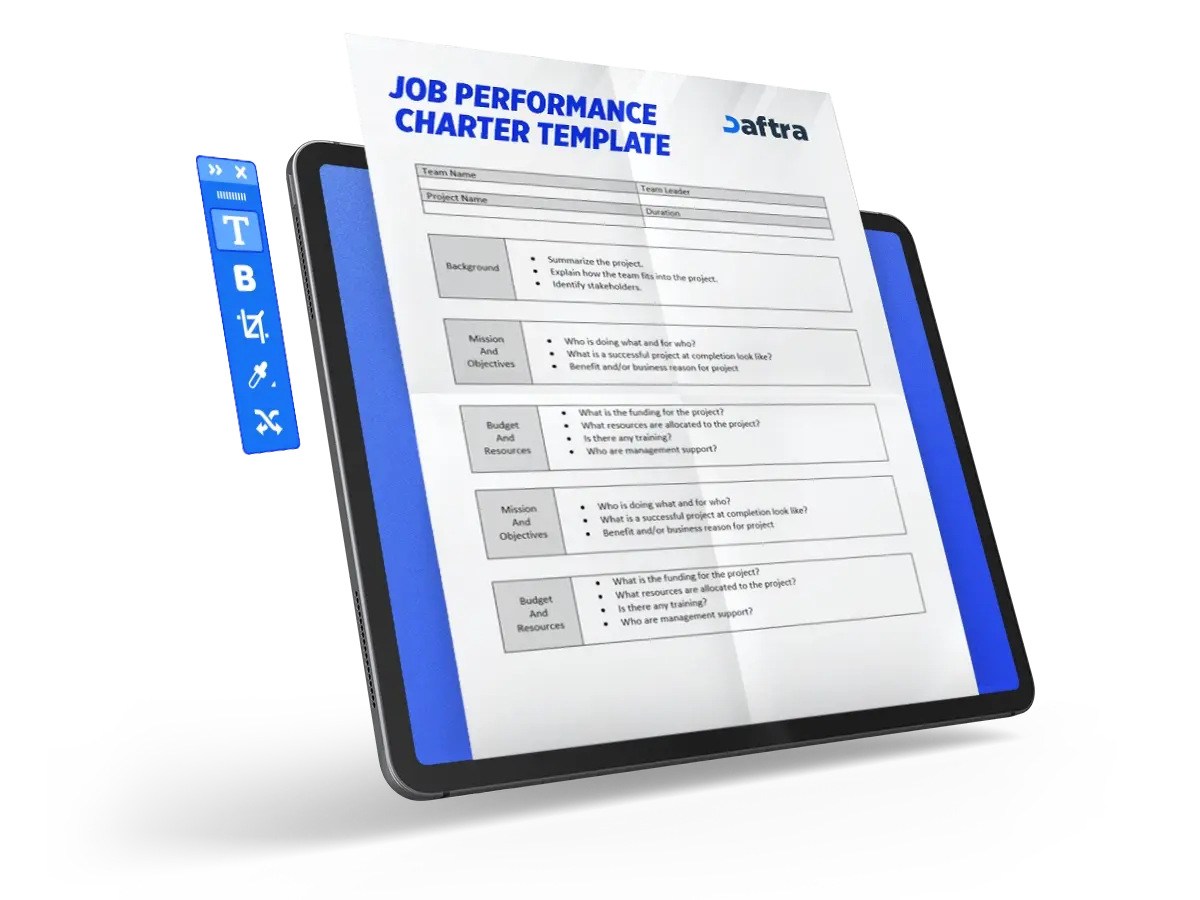
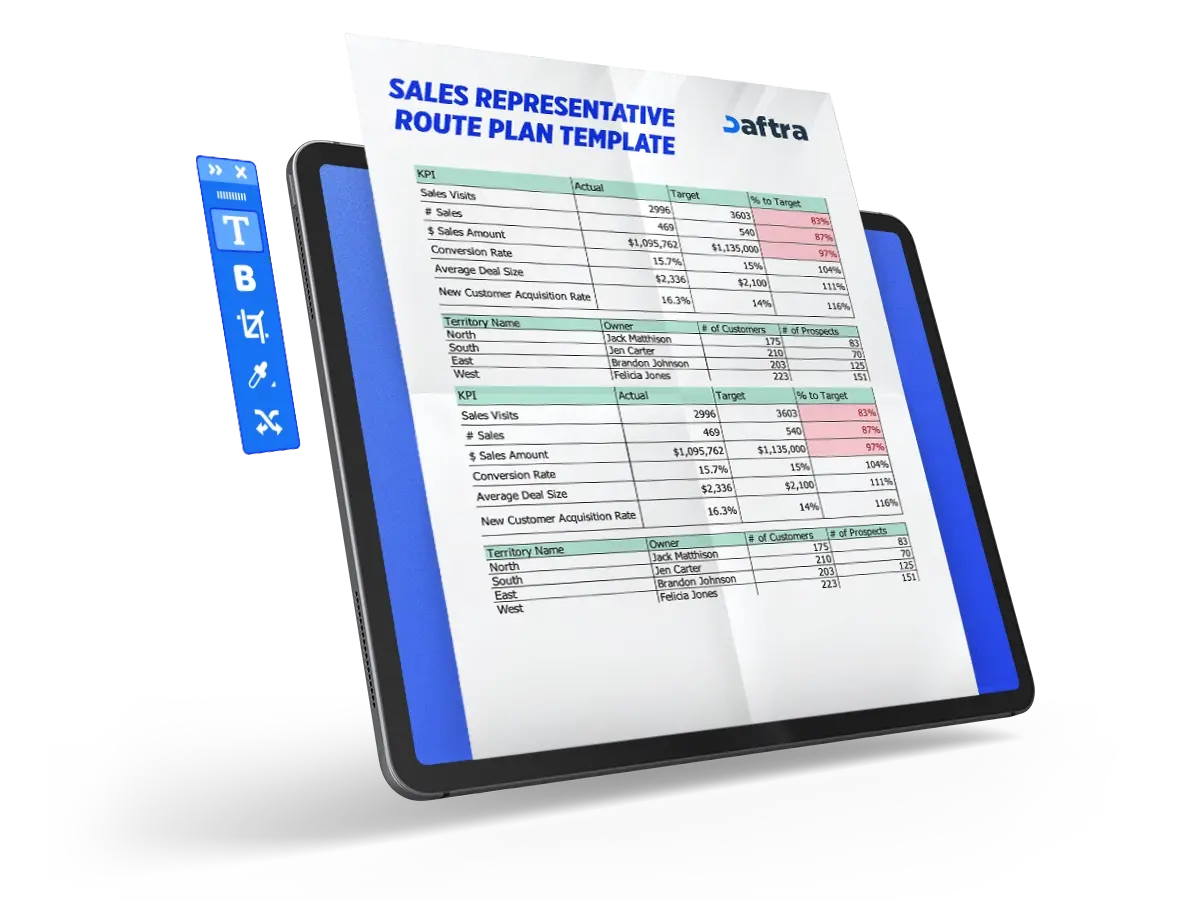





 Invoicing
 POS
 Offers
 Installments
 Sales Commission
 KSA E-Invoice Software
 EGY E-Invoice Software
 JO E-Invoice Software
 E-Invoice Software
 Chart of Accounts
 Asset Management
 Cost Centers
 Expenses
 Cheque Cycle
 VAT & Tax Compliance
 Product Management
 Purchases
 Purchase Cycle
 Suppliers
 Requisitions
 Stocktaking
 Organizational Structure
 Personnel Management
 Attendance and Leave
 Contracts
 Payroll
 Requests
 Work Orders
 Booking Management
 Rental and Unit Management
 Time Tracking
 Work Flow
 Lease Contracts
 Manufacturing Management
 Client Follow-Up
 Loyalty Points
 Points and Credits
 Memberships
 Insurance Management
 Daftra ERP Full App
 Point of Sales App
 Point of Sales for Desktop – Support Offline Mode
 AI Expenses Scanner App
 Employee Attendance, Sign & ESS App
 E-invoice Reader App
 Inventory Stocktaking App