


Posted on 19 November 2026
Sales Representative Route Plan Template
- A Sales Representative Route Plan Template is an organizational tool used to plan and execute field sales representatives' visits efficiently within defined time periods.
- The template improves sales representative efficiency, reduces costs, and enhances the customer experience through smarter, more flexible route planning.
- Field sales representatives are the main beneficiaries of the route plan, as it helps them organize visits efficiently, use their time more effectively, and increase their chances of achieving sales targets.


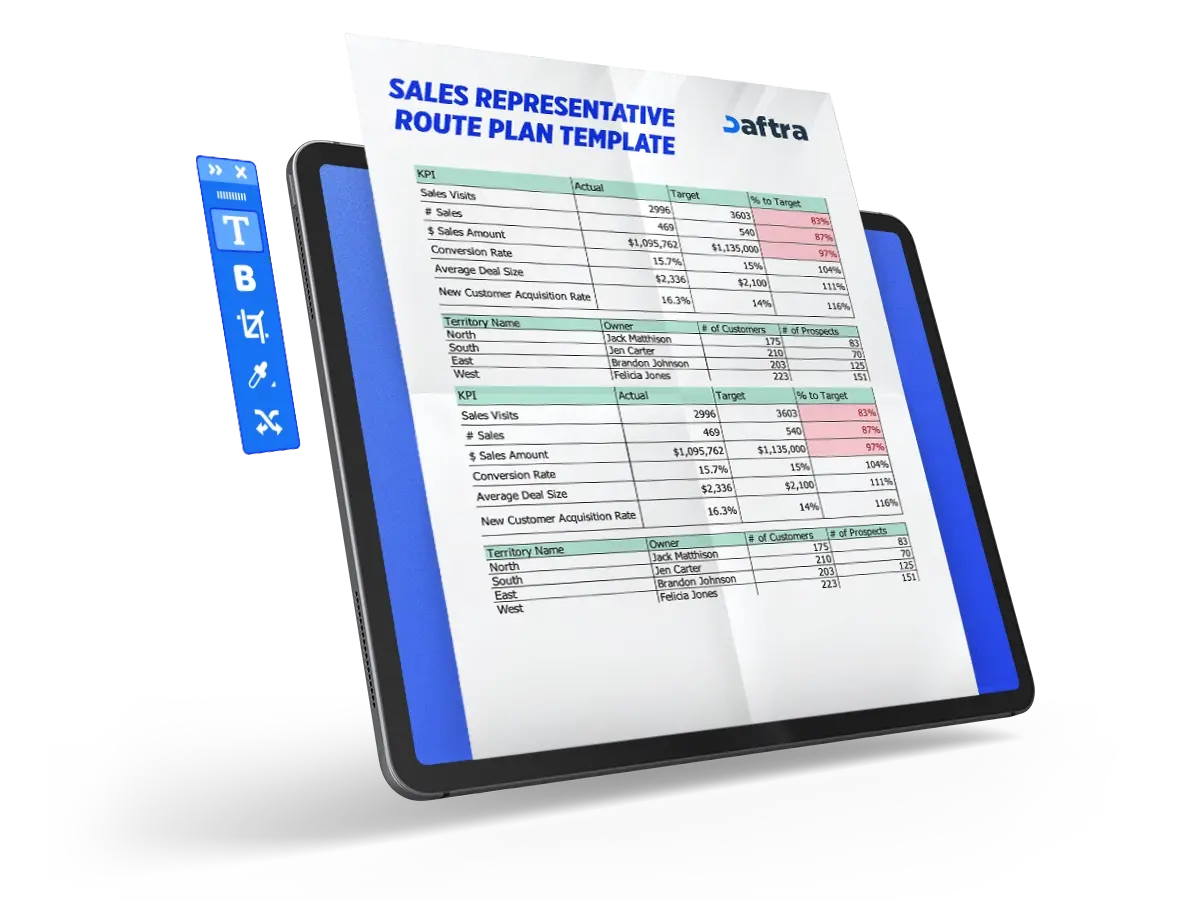
 Improve Sales Team Productivity with Daftra
What Is a Sales Representative Route Plan Template?
A Sales Representative Route Plan Template is a document used to organize and optimize the movements of field sales representatives between customers or different locations over a specified period, usually daily or weekly. It helps track representative performance, improve efficiency, and make the best use of time and resources.
Why Is a Sales Representative Route Plan Template Important?
A Sales Representative Route Plan Template can significantly improve sales-team efficiency and contribute directly to better overall business results. Its main benefits include:
1. Reducing Costs and Increasing Operational Efficiency
Optimizing a sales representative's route reduces time lost in transit, which lowers fuel consumption, overtime costs, and logistics expenses. By considering factors such as traffic congestion, weather, and customer priority, representatives can visit more customers in less time and at lower cost.
2. Improving the Customer Experience
When representatives arrive on time and consistently, customer satisfaction improves, and the likelihood of closing deals increases.
3. Using Feedback to Improve Routes
Customer and representative feedback helps identify weaknesses in sales routes. This feedback can reveal the need to adjust scheduling, update customer information, or improve the offers presented to customers.
4. Strengthening Collaboration and Communication Within the Sales Team
Improving routes requires effective coordination among team members and may involve shared communication tools and collaborative work systems. This strengthens knowledge sharing, helps resolve problems quickly, and makes it easier to adapt to unexpected field changes.
5. Building a Dynamic, Data-Driven Sales Strategy
Using data analytics and route-planning tools, your organization can build a flexible sales plan that responds to market changes. Customer trends, new demand locations, and competitor movements can guide routes strategically and support growth and expansion.
What Does a Sales Representative Route Plan Template Include?
A Sales Representative Route Plan Template includes several core elements that help organize field activity and improve efficiency, including:
- Representative Information: Name, department, and direct supervisor.
- Date and Time Period: The day or week covered by the plan.
- Customer and Competitor Locations: A map or detailed list of current and prospective customer locations, as well as competitor locations.
- Priority Customers: High-value accounts or customers with a strong likelihood of closing.
- Visit Schedule: Visit time, customer name, address, and purpose of the visit.
- Scheduling Flexibility: Space to adjust appointments or change the route as circumstances require.
- Notes: A field for recording post-visit notes, preferably linked to a CRM system.
- Representative / Supervisor Signature: For review and approval.
How Do You Create a Sales Representative Route Plan?
1- Map Customer and Competitor Locations
Create a clear map of current customers, prospective customers, and competitors. This helps identify important geographic patterns, such as customer concentration or underserved areas, which can support business expansion and sales growth.
2- Focus on the Highest-Value Opportunities First
Because time is limited, the route plan should prioritize customers and deals with the greatest value. Sales analytics or artificial intelligence can help identify these opportunities based on criteria such as deal value or customer engagement, helping maximize the value of field visits.
3- Design a Flexible, Editable Plan
Make sure the plan can be adjusted quickly when circumstances change, such as appointment cancellations or customer rescheduling. Route updates should be easy so the representative can reorganize the schedule and continue working efficiently.
4- Add a Field for Notes After Each Visit
The route plan should include a dedicated area for recording notes after each visit, preferably connected directly to a Customer Relationship Management (CRM) system. This makes it easier to track progress, update customer information, share details with the team, and plan future visits.
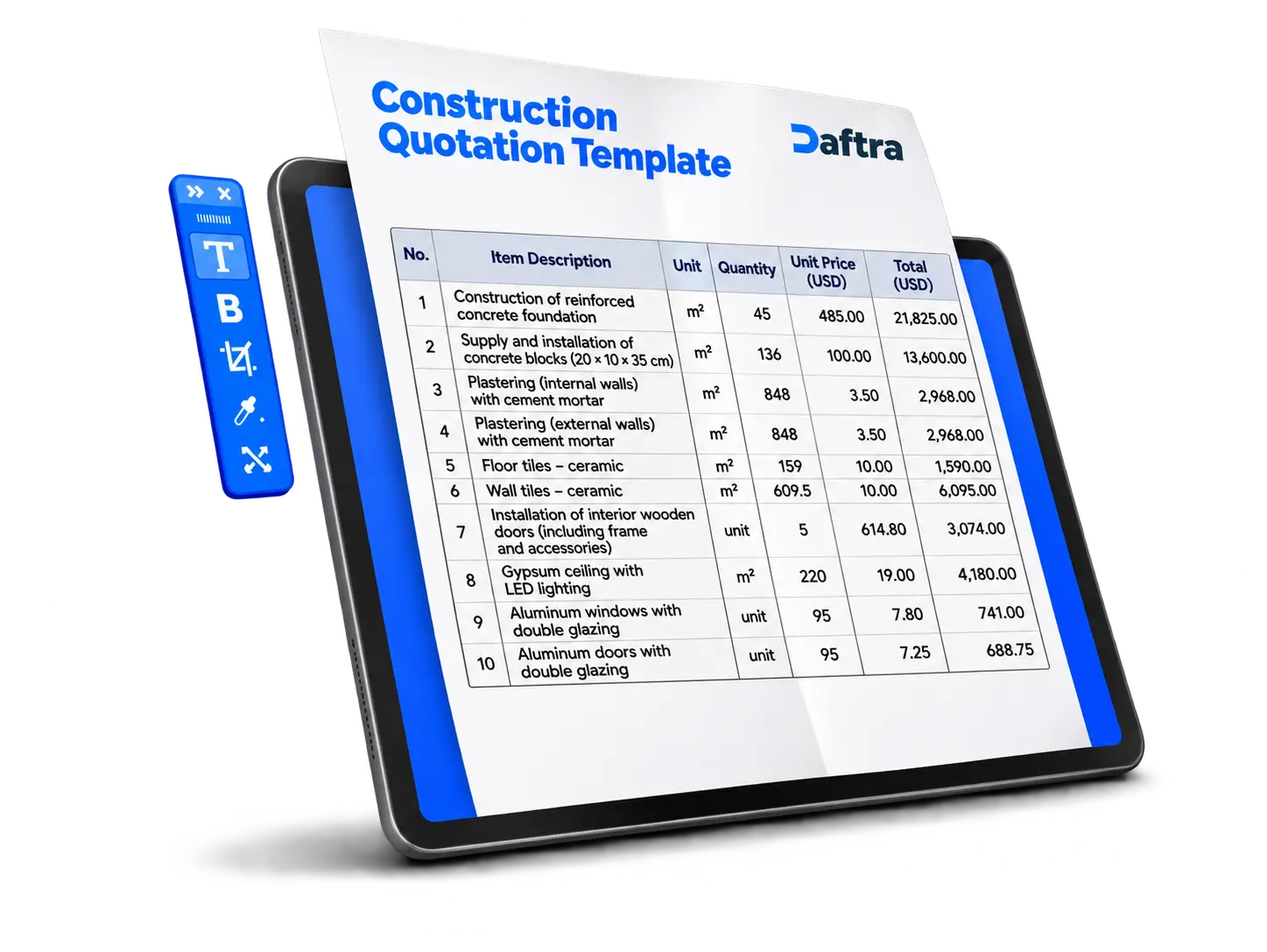
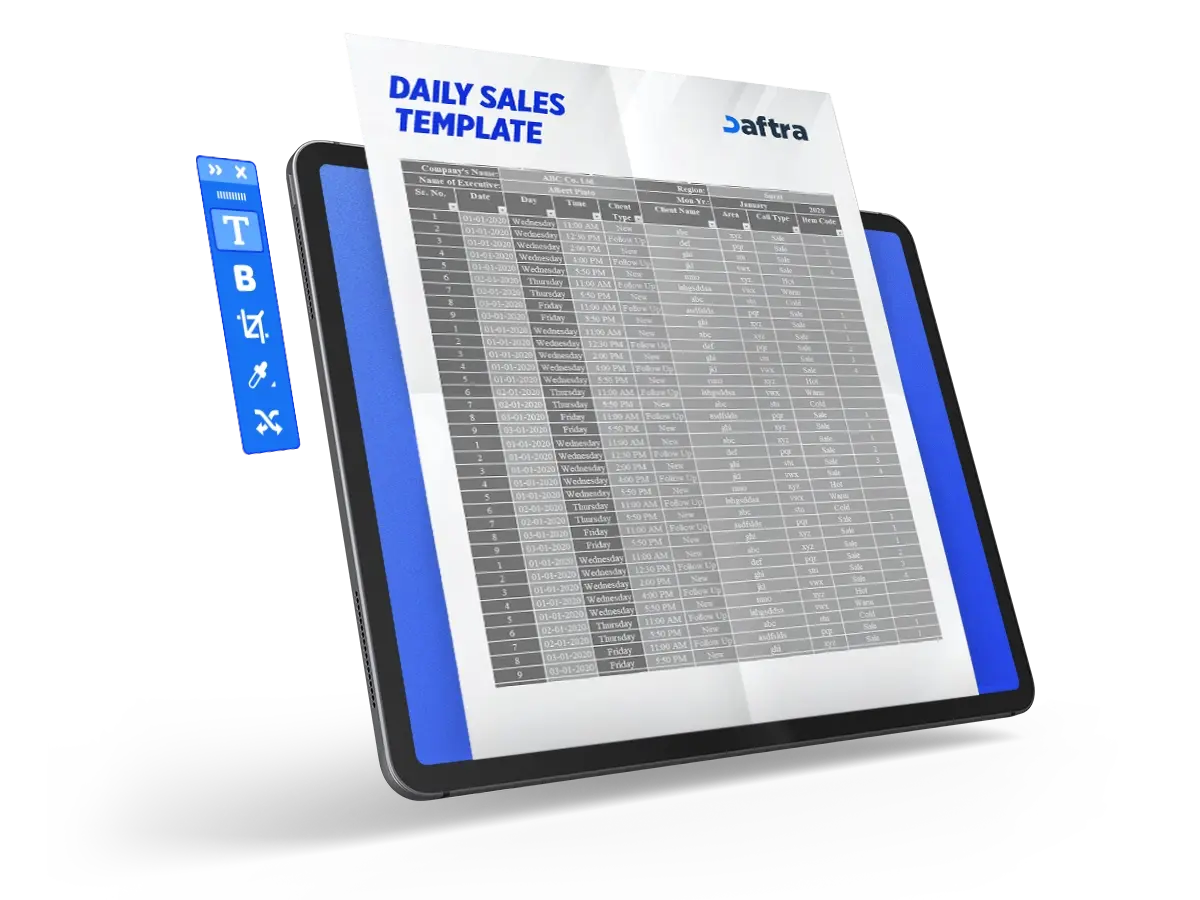
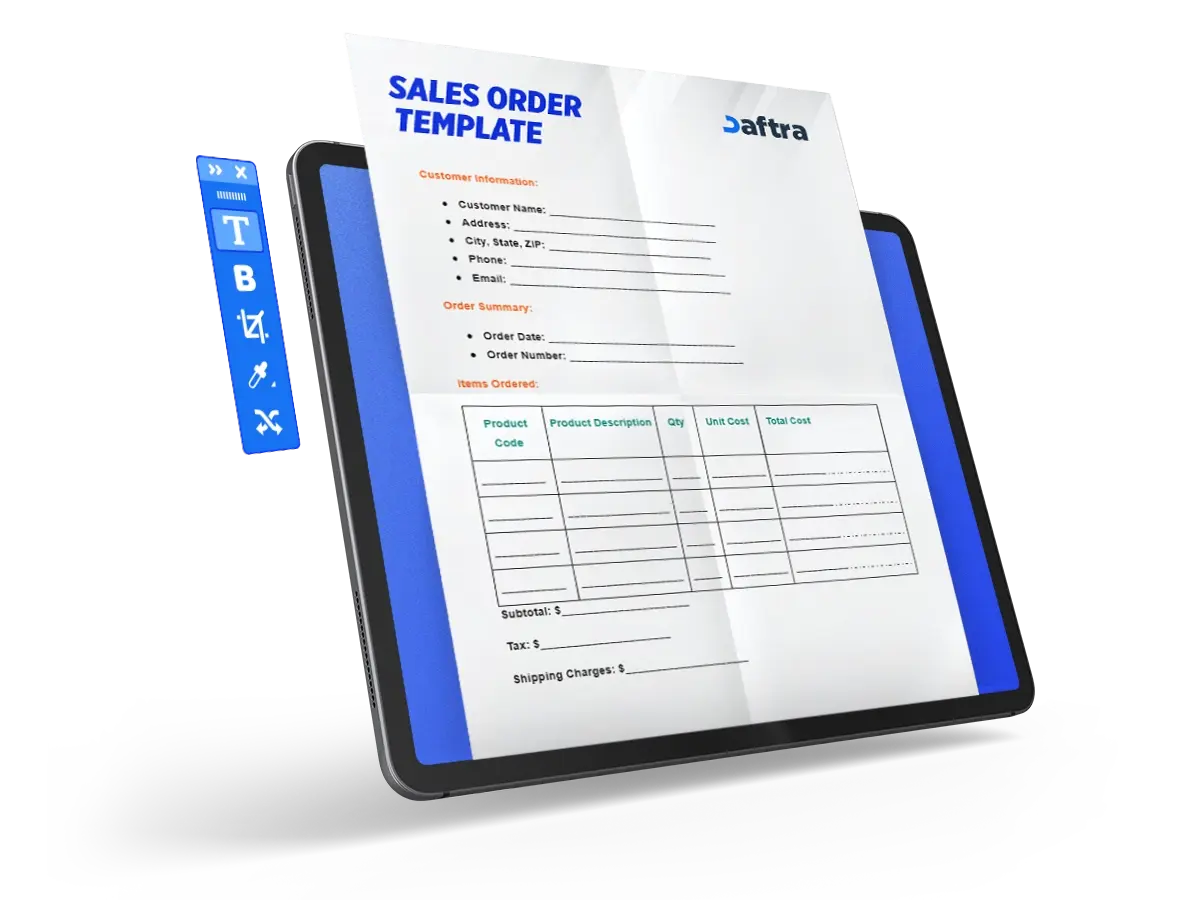
You May Also Download
How Is a Sales Representative Route Plan Used?
A Sales Representative Route Plan is used as a daily or weekly tool for planning and tracking field sales activities. It can be used as follows:
- Before Visits: To determine the optimal route based on customer locations, priorities, and market conditions.
- During Field Visits: Use it as a reference for the schedule, appointments, and customer locations.
- After Visits: To record notes, update customer information, and enter data into the CRM.
- For Follow-Up and Improvement: The supervisor or sales team reviews the plans to analyze performance and identify opportunities for improvement.
Who Benefits from a Sales Representative Route Plan Template?
The route plan benefits several parties within the organization, including:
- Field Sales Representatives: Helps them organize their time, improve productivity, and increase opportunities to close deals.
- Sales Managers and Supervisors: Provide a clear view of representative movements, compliance, and visit results.
- Marketing Team: Can use the data to analyze market behavior and help guide campaigns.
- Planning and Distribution Department: Uses the plan to improve resource allocation and field scheduling.
- Customers: Benefit from improved response times and service quality, increasing overall satisfaction.





 Invoicing
 POS
 Offers
 Installments
 Sales Commission
 KSA E-Invoice Software
 EGY E-Invoice Software
 JO E-Invoice Software
 E-Invoice Software
 Chart of Accounts
 Asset Management
 Cost Centers
 Expenses
 Cheque Cycle
 VAT & Tax Compliance
 Product Management
 Purchases
 Purchase Cycle
 Suppliers
 Requisitions
 Stocktaking
 Organizational Structure
 Personnel Management
 Attendance and Leave
 Contracts
 Payroll
 Requests
 Work Orders
 Booking Management
 Rental and Unit Management
 Time Tracking
 Work Flow
 Lease Contracts
 Manufacturing Management
 Client Follow-Up
 Loyalty Points
 Points and Credits
 Memberships
 Insurance Management
 Daftra ERP Full App
 Point of Sales App
 Point of Sales for Desktop – Support Offline Mode
 AI Expenses Scanner App
 Employee Attendance, Sign & ESS App
 E-invoice Reader App
 Inventory Stocktaking App