


Posted on 5 November 2026
Financial Leverage Ratios Template
- The Financial Leverage Ratios Template is used to evaluate a company's debt level and its ability to meet obligations on time, helping the business avoid unnecessary financial risk.
- This template is useful when analyzing companies or assessing new investments, as it helps determine debt levels and whether the company can continue servicing those debts.
- Understanding these ratios helps direct profits and cash flows toward debt repayment. Credit agencies and lenders also use them before approving requests for additional capital.


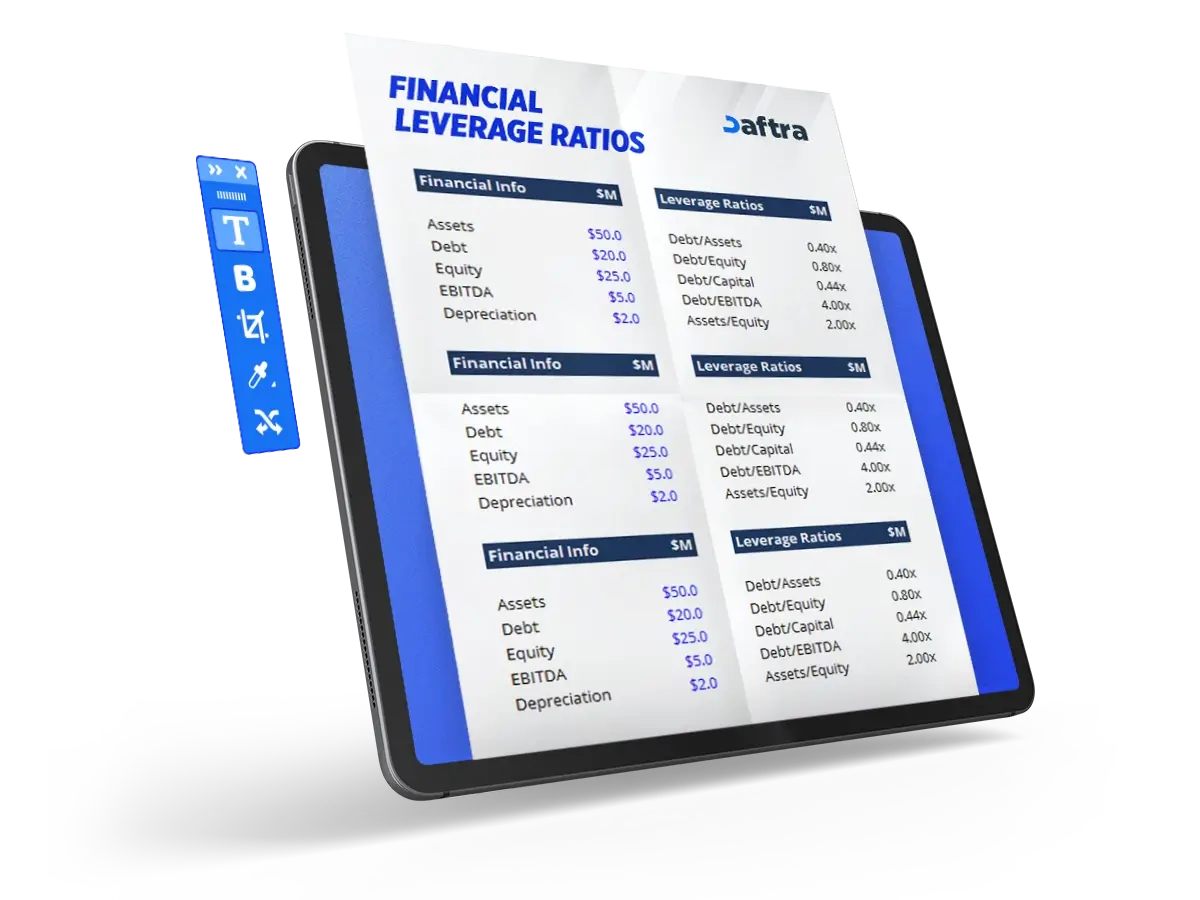
 Register with Daftra and calculate financial leverage ratios automatically
What Is a Financial Leverage Ratios Template?
A Financial Leverage Ratios Template is a measurement tool that shows the relationship between a company's total debt and total assets. It is used to evaluate the level of debt compared with capital, equity, earnings, total financing, or other financial measures.
Why Is the Financial Leverage Ratios Template Important?
The Financial Leverage Ratios Template is used in finance, business, and economics to measure a company's ability to repay its financial obligations, assess financial stability, and determine how much borrowed money is used to finance operations or assets. Its key benefits include:
- Supporting financial analysis, risk assessment, and operating efficiency evaluation.
- Measuring a company's debt level compared with another financial metric.
- Comparing the company's historical records to help decide whether to invest in the company.
- Helping lenders control risks related to loan agreements.
- Allowing a leverage-ratio limit to be set within the loan agreement.
How to Create a Financial Leverage Ratios Template
To calculate your company's financial leverage ratios, collect the following data:
1- Determine the Company's Total Assets
Assets are everything the company owns, including cash, bank balances, tangible property such as machines and equipment, products that can be converted into cash through sale, and intangible resources such as intellectual property rights or patents.
Total company assets are calculated by adding the following items:
Total Assets = Cash + Cash Equivalents + Total Short-Term Investments + Accounts Receivable + Inventory + Prepaid Expenses + Other Assets
You can also use an investment calculator to calculate investment value and return automatically for free.
2- Determine the Company's Total Debt
Company debt is the amount the company owes to another party. There are two types of debt: long-term debt and short-term debt. Total debt is calculated using the following formula:
Total Company Debt = Long-Term Debt + Short-Term Debt
3- Equity
Equity is the difference between assets and liabilities. In other words, it is the company's capital, collected in the form of cash, tangible property, or intangible assets, to invest in new projects, finance operations, purchase assets, or expand the company. Shareholders receive these funds after all company obligations have been settled.
Total equity is calculated using the following formula:
Equity = Total Assets - Total Liabilities
4- Earnings Before Interest, Taxes, Depreciation, and Amortization
Earnings before interest, taxes, depreciation, and amortization (EBITDA) is the amount a company earns from selling products or providing services before deducting interest, taxes, depreciation, and amortization. This metric is used to measure the company's core profitability, ability to generate cash, and financial performance.
EBITDA can be calculated using the following formula:
EBITDA = Net Income + Tax Expense + Interest Expense + Depreciation and Amortization Expense
Who Benefits from the Financial Leverage Ratios Template?
- Lenders: Lenders use the Financial Leverage Ratios Template to assess a company's debt and determine whether it represents a high, medium, or low level of risk. This is done by comparing the company's debt with its earnings and equity.
- Management: Management uses the template to make decisions about borrowing or reducing debt.
- Investors: Investors and shareholders use the template to evaluate the company's debt and earnings before making investment decisions.
How Is the Financial Leverage Ratios Template Used?
The leverage template is used by entering the balances for each required field.
First, on the right side of the template, there is a section for the company's financial information. It consists of five fields:
- Assets
- Debt
- Equity
- Earnings before interest, taxes, depreciation, and amortization
- Depreciation and amortization
After entering the company data in this section, the calculations are performed automatically in the section on the left, where you will find:
- Debt-to-assets ratio
- Debt-to-equity ratio
- Debt-to-capital ratio
- Debt-to-EBITDA ratio
- Assets-to-equity ratio
How Does the Financial Leverage Ratio Work?
The financial leverage ratio measures debt compared with capital to determine whether the company can generate returns higher than the interest rate on its loans and repay debt on time. Uncontrolled debt levels may lower the company's credit rating.
Financial leverage ratios are not limited to measuring debt only. They also overlap with the measurement of fixed and variable operating costs, providing a clearer and more comprehensive view of how changes in production affect operating income.
In general, a higher financial leverage-to-capital ratio indicates a higher level of risk for the company in meeting its obligations, while a lower ratio indicates lower risk.
What Are the Elements of a Financial Leverage Ratios Template?
The Financial Leverage Ratios Template consists of totals for the following items:
- Assets
- Debt
- Equity
- Earnings before interest, taxes, depreciation, and amortization
- Depreciation and amortization
These inputs are used to calculate the following leverage ratios:
- Debt-to-assets ratio
- Debt-to-equity ratio
- Debt-to-capital ratio
- Debt-to-EBITDA ratio
- Assets-to-equity ratio
Main Financial Leverage Ratio Formulas
| Ratio | Formula |
| Debt-to-Assets Ratio | Total Debt / Total Assets |
| Debt-to-Equity Ratio | Total Debt / Total Equity |
| Debt-to-Capital Ratio | Total Debt / (Total Debt + Total Equity) |
| Debt-to-EBITDA Ratio | Total Debt / EBITDA |
| Assets-to-Equity Ratio | Total Assets / Total Equity |

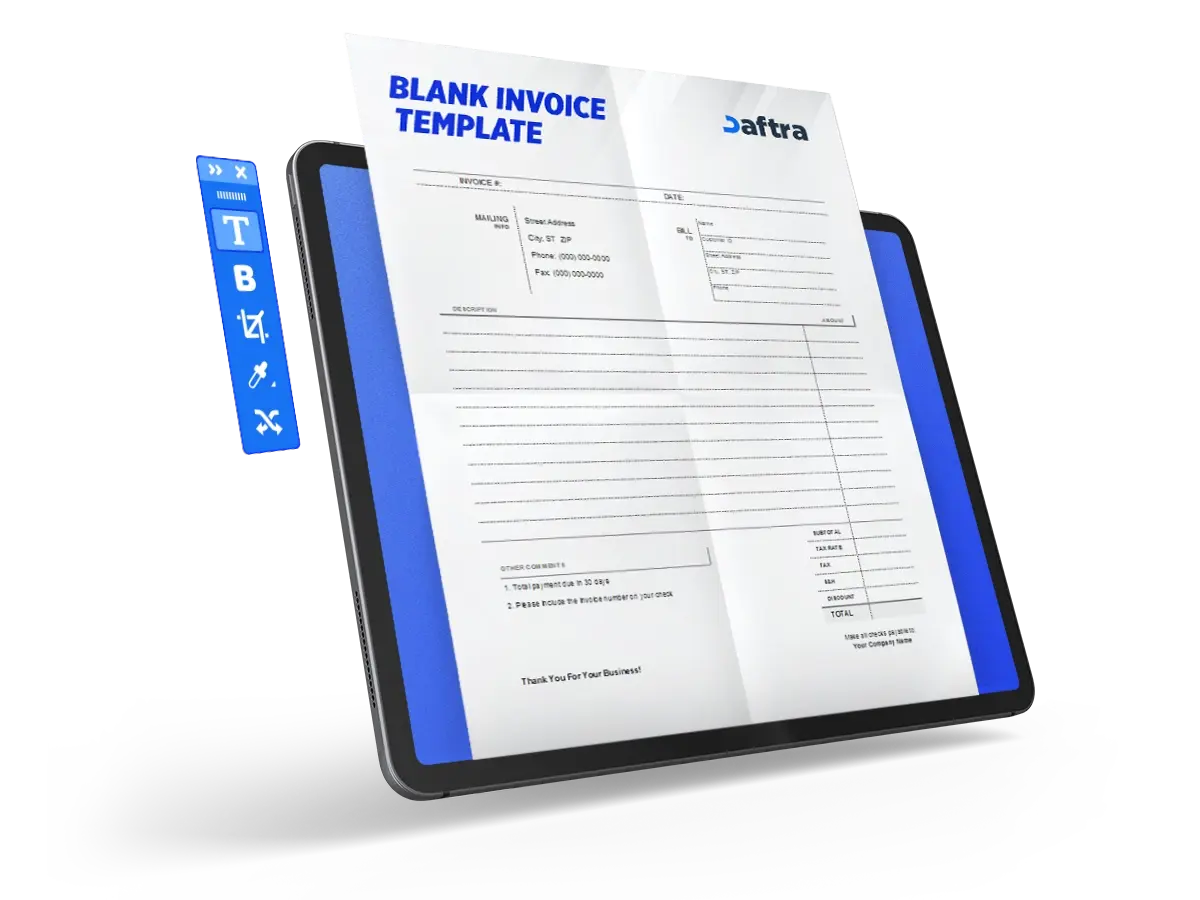







 Invoicing
 POS
 Offers
 Installments
 Sales Commission
 KSA E-Invoice Software
 EGY E-Invoice Software
 JO E-Invoice Software
 E-Invoice Software
 Chart of Accounts
 Asset Management
 Cost Centers
 Expenses
 Cheque Cycle
 UAE VAT-Tax
 Product Management
 Purchases
 Purchase Cycle
 Suppliers
 Requisitions
 Stocktaking
 Organizational Structure
 Personnel Management
 Attendance and Leave
 Contracts
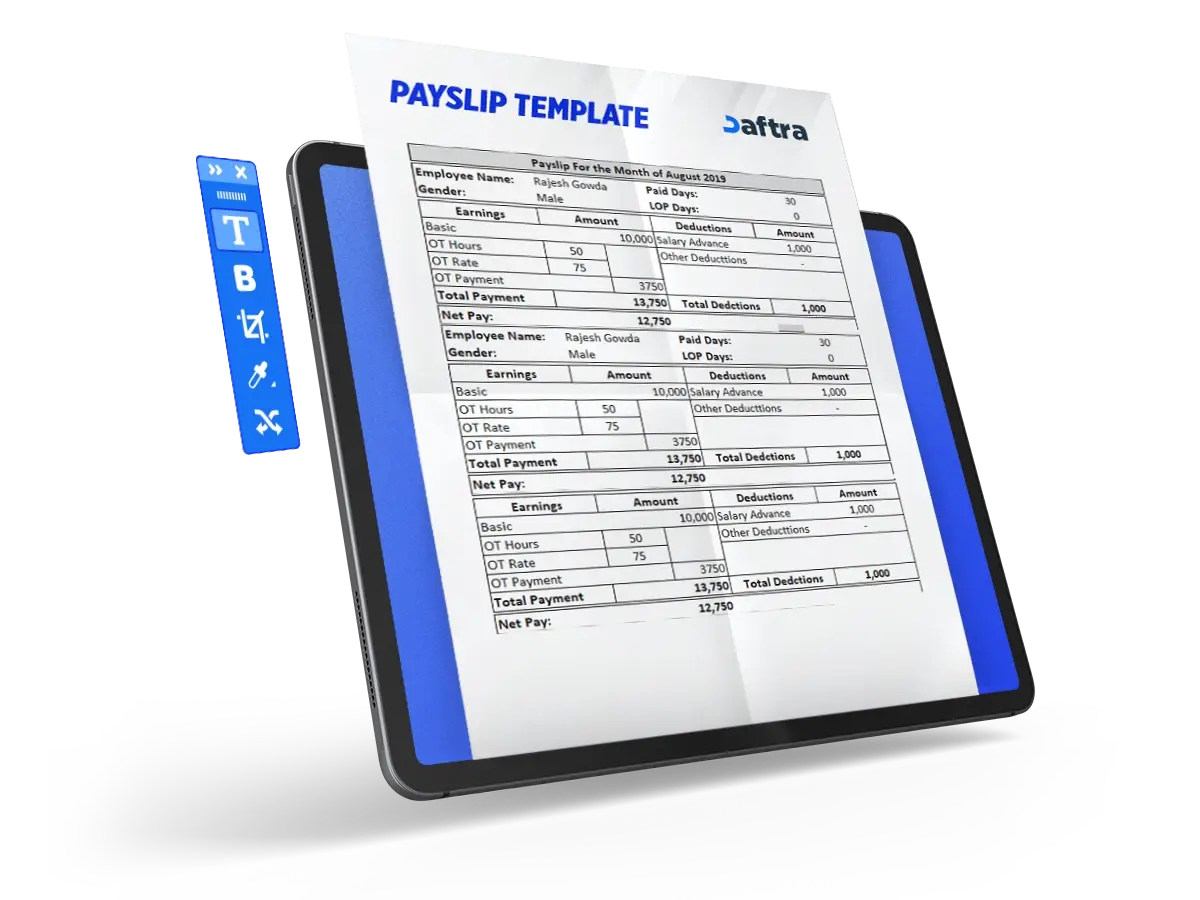
 Payroll
 Requests
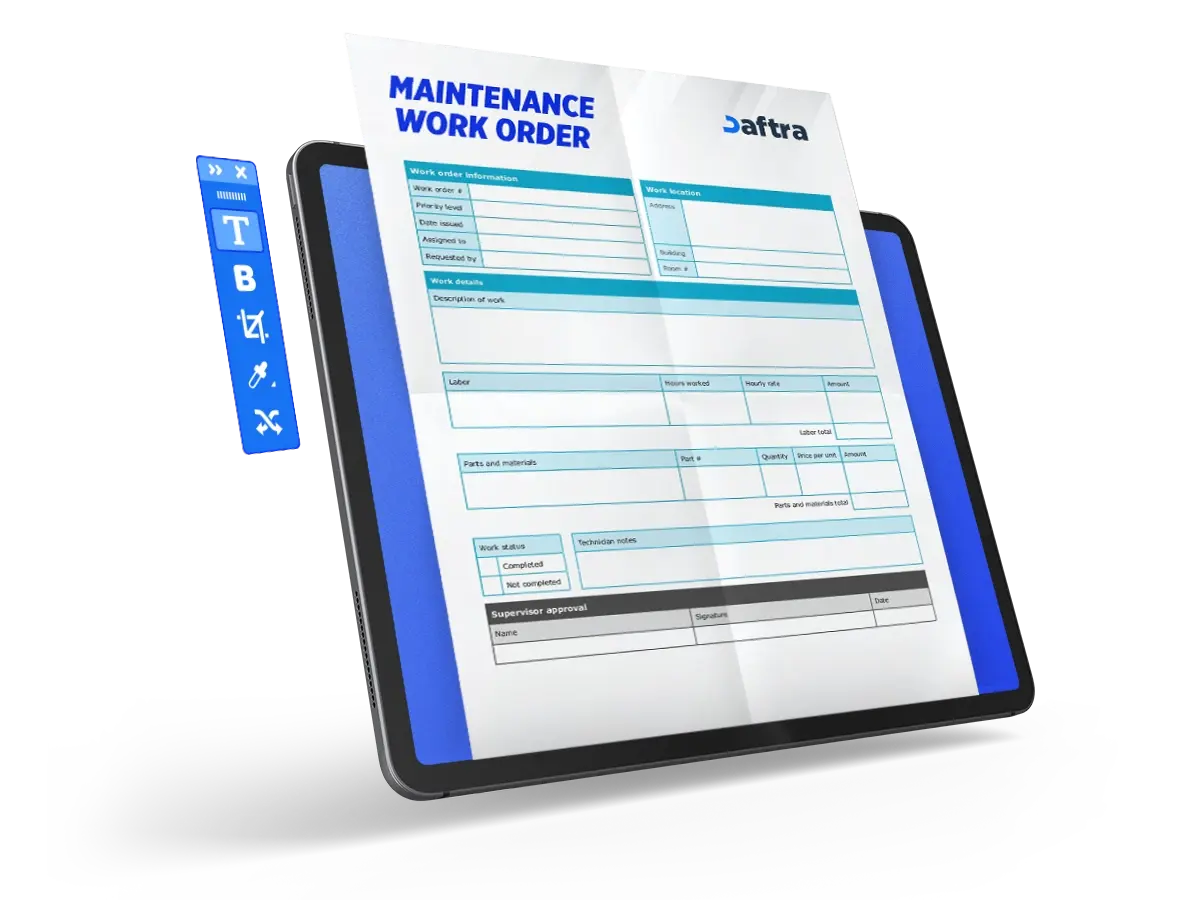
 Work Orders
 Booking Management
 Rental and Unit Management
 Time Tracking
 Work Flow
 Lease Contracts
 Manufacturing Management
 Client Follow-Up
 Loyalty Points
 Points and Credits
 Memberships
 Insurance Management
 Daftra ERP Full App
 Point of Sales App
 Point of Sales for Desktop – Support Offline Mode
 AI Expenses Scanner App
 Employee Attendance, Sign & ESS App
 E-invoice Reader App
 Inventory Stocktaking App